

WeVote

Bill

Bill

SB 1919

EPA-WATER REVOLVING FUND

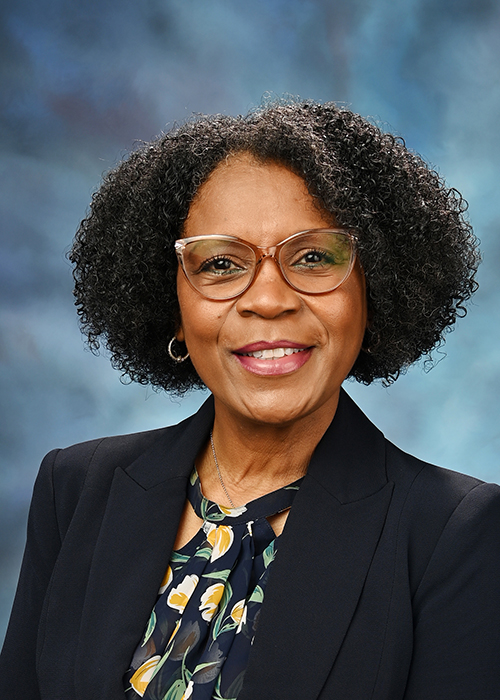
104th Regular Session Introduced by Adriane Johnson

SB1919 bans principal forgiveness for local governments with 150,000+ population in Illinois under three Water Revolving Fund programs.

Rule 3-9(a) / Re-referred to Assignments
0
WeVote Research Nonpartisan
Bill Summary · SB 1919

Summary — SB1919 (2025): EPA — Water Revolving Fund

Sponsor: Sen. Adriane Johnson
Introduced: February 6, 2025 (filed March 5, 2025)
Primary change: Amends Section 19.3 of the Illinois Environmental Protection Act (Water Revolving Fund)

Main purpose

SB1919 narrows eligibility for one form of subsidization—principal forgiveness—under Illinois’ Water Revolving Fund programs. Specifically, it prohibits eligible local government units with populations of 150,000 or greater from receiving forgiveness of principal through the Water Pollution Control Loan Program, the Public Water Supply Loan Program, or the Loan Support Program.

Key provisions and changes

  • Amends 415 ILCS 5/19.3 (Water Revolving Fund).
  • Adds a population-based restriction: any eligible local government unit with population ≥ 150,000 is not eligible for principal forgiveness under:
    • Water Pollution Control Loan Program
    • Public Water Supply Loan Program
    • Loan Support Program
  • Does not explicitly remove other forms of subsidization (e.g., grants, negative interest rates, forgiveness for private community water supplies where applicable), so those may still be available under existing statutory language unless further amended elsewhere.
  • Leaves intact the Fund’s structure and other program purposes (making loans at/below market interest rates, transfers between programs, use of federal grant funds, etc.) as expressed in Section 19.3.

Who is affected

  • Directly affected: eligible local government units in Illinois with populations of 150,000 or more (large cities/municipalities and certain counties) — they would no longer be able to receive principal forgiveness under the named programs.
  • Indirectly affected: smaller local governments (population <150,000), privately owned community water supplies, and project beneficiaries — because program funds or subsidization strategies might be reallocated or otherwise adjusted.
  • Potential fiscal impact: larger jurisdictions may face higher net borrowing costs for water pollution control and public water supply projects if principal forgiveness is not available; smaller communities could retain access to forgiveness and other subsidies.

Legislative status / timeline (selected)

  • Filed/First Reading (Senate): 02/06/2025
  • Passed (Senate): 04/16/2025
  • Received by House / Referred to Transportation then Appropriations — multiple committee actions and hearings in April–May 2025
  • Placed on General State Calendar: 05/26/2025
  • Rule 3-9(a) / Re-referred to Assignments: 06/02/2025 (current status)

Notes and uncertainties

  • The bill text only specifies ineligibility for principal forgiveness; it does not enumerate changes to grants, negative interest loans, or other subsidization mechanisms, so interpretation may depend on program rules and administrative implementation.
  • No effective date or fiscal estimates are included in the provided text.

Compiled from official sources — confirm details with the bill’s official record.

Sign in to ask a question.