

WeVote

Bill

Bill

SB 3577

EPA-TURBINE TAKEBACK PROGRAM

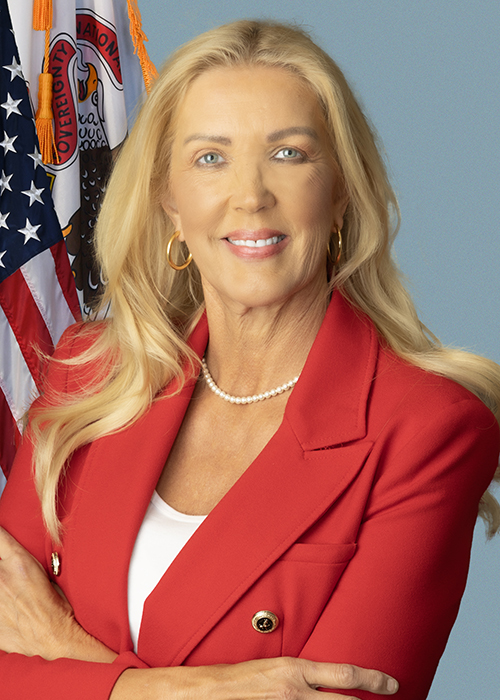
104th Regular Session Introduced by Sue Rezin

Starting Jan 1, 2028, wind turbine owners must join a statewide stewardship and takeback program focused on recycling non-toxic components, with plans filed to IEPA.

0
WeVote Research Nonpartisan
Bill Summary · SB 3577

Summary of SB3577 (Illinois, 104th General Assembly)

Purpose and intent

  • Establishes the Wind Turbine Stewardship and Takeback Program Act.
  • Aims to require wind turbine owners, beginning January 1, 2028, to participate in a stewardship and takeback program that prioritizes recycling of non-toxic wind turbine components after their useful life, rather than disposing of them in landfills.
  • Delegates implementation and guidance authority to the Illinois Environmental Protection Agency (IEPA).

Key provisions and changes

  • Definition: “Agency” refers to the Illinois Environmental Protection Agency (IEPA).
  • Program commencement: Starting January 1, 2028, wind turbine owners must participate in a wind turbine stewardship and takeback program, with an emphasis on recycling non-toxic components after end-of-life rather than landfilling.
  • Program plan requirement: Each wind turbine owner must file a plan for their wind turbine stewardship and takeback program with the IEPA.
  • Agency guidance and rulemaking:
    • The IEPA must develop guidance for wind turbine stewardship and takeback programs established under the Act.
    • The IEPA may adopt rules as necessary to implement the Act’s provisions.

Who is affected

  • Wind turbine owners in Illinois (and any entities responsible for wind turbine assets) are directly affected. They must:
    • Participate in the mandated stewardship and takeback program starting in 2028.
    • Develop and file a program plan with the IEPA.

Procedural and timeline aspects

  • Effective timeline: The core requirements take effect on January 1, 2028.
  • Plan submission: Wind turbine owners must file their program plans with the IEPA as part of compliance.
  • Regulatory process: The IEPA is authorized to:
    • Develop guidance for these programs.
    • Adopt rules as needed to implement the Act (subject to standard rulemaking processes).

Notable details

  • The bill emphasizes recycling of non-toxic wind turbine components and seeks to minimize landfill disposal where feasible.
  • The text indicates a focus on regulatory framework (guidance and rules) rather than prescribing exact technical recycling methods or targets in the initial bill text; those details would be expected in subsequent guidance and rulemaking.

Potential impact (high-level)

  • Encourages environmental stewardship and resource recovery in the wind energy sector.
  • Creates a state-managed framework for end-of-life handling of wind turbine components.
  • Will impose administrative requirements on wind turbine owners (plan development and submission) and establish the IEPA’s role in guidance and rulemaking to implement and enforce the program.

Compiled from official sources — confirm details with the bill’s official record.

Sign in to ask a question.