

WeVote

Bill

Bill

SF 4879

Enrollment and eligibility priority modification for children in foster care for community education programs, school readiness programs, early learning scholarships, and basic sliding fee child care assistance

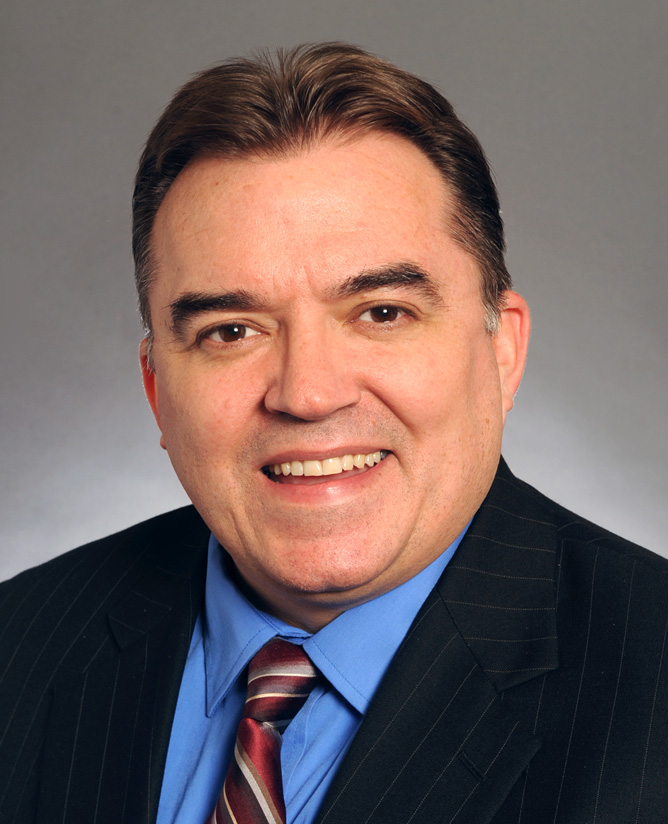
2025-2026 Regular Session Introduced by John Hoffman

The bill prioritizes foster care children for enrollment in community education, school readiness, early learning scholarships, and basic sliding fee child care.

Referred to Health and Human Services
0
WeVote Research Nonpartisan
Bill Summary · SF 4879

Summary of SF 4879 (Minnesota, 2025-2026)

Purpose and intent

SF 4879 seeks to modify enrollment and eligibility priority for certain programs serving children. Specifically, it aims to give priority access for children in foster care to community education programs, school readiness programs, early learning scholarships, and basic sliding fee child care assistance. The bill is designed to ensure that children in foster care have timely entry into early childhood and child care services that support their development and stability.

Key provisions and changes

  • Enrollment and eligibility prioritization: The bill establishes or expands priority status for children who are in foster care when applying for:
    • Community education programs
    • School readiness programs
    • Early learning scholarships
    • Basic sliding fee child care assistance
  • Eligibility framework: The bill modifies the rules governing how applications are prioritized, potentially altering comparison metrics used for placement and waitlists to favor foster youths.
  • Funding and administration: While the text provided does not specify new funding levels, the bill implications likely involve reallocating or prioritizing existing program capacities to ensure foster care children can access these services more quickly.
  • Policy alignment: The measure aligns with broader child welfare and early education objectives, aiming to reduce delays in service access for a vulnerable population.

Who would be affected

  • Primary beneficiaries: Children in foster care who would receive prioritized enrollment and eligibility consideration for:
    • Community education programs (e.g., early childhood and developmental programs)
    • School readiness initiatives
    • Early learning scholarships
    • Basic sliding fee child care assistance
  • Families and caregivers: Foster families and related guardians would experience changes in intake processing times and criteria when seeking these programs for foster children.
  • Program administrators: Agencies and providers administering the listed programs would need to adjust intake policies, triage procedures, and record-keeping to implement the priority framework.

Procedural and timeline aspects

  • Introduction and referral: SF 4879 was introduced and read for the first time on March 26, 2026.
  • Committee action: Refers to the Health and Human Services committee for consideration as of March 26, 2026. This is where detail on amendments, fiscal notes, and public testimony would typically be developed.
  • Next steps: If advanced, the bill would progress through applicable Minnesota Senate procedures, potentially undergoing amendments, further committee hearings, and votes by the Senate floor. A companion measure in the House (if any) would influence concurrent progress and final adoption.

Notes

  • The bill’s sponsor is John Hoffman (co-sponsor).
  • The current summary is based on the title and action history; specific statutory language, exact eligibility thresholds, and funding implications would be clarified in the bill text and any fiscal impact statements released during committee review.

Compiled from official sources — confirm details with the bill’s official record.

Sign in to ask a question.