

WeVote

Bill

Bill

HR 521

Ending Presidential Overreach on Public Lands Act

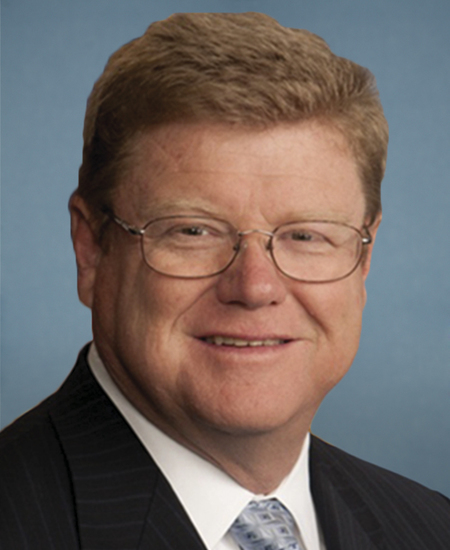
119th Congress Introduced by Mark Amodei and 14 co-sponsors

HR 521 limits presidential power over public lands, requiring Congressional and state approval for changes, enhancing local input and impacting conservation efforts.

Introduced in House
0
WeVote Research Nonpartisan
Bill Summary · HR 521

Summary of HR 521: Ending Presidential Overreach on Public Lands Act

Bill Overview

  • Bill Number: HR 521
  • Title: Ending Presidential Overreach on Public Lands Act
  • Status: Introduced in House
  • Introduced Date: January 16, 2025
  • Classification: Bill

Purpose and Intent

The Ending Presidential Overreach on Public Lands Act aims to limit the authority of the President of the United States regarding the management and designation of public lands. The bill seeks to ensure that decisions affecting public lands are made with greater input from Congress and state governments, thereby reducing unilateral executive actions that may impact land use and conservation efforts.

Key Provisions

  • Limitations on Presidential Authority: The bill proposes to restrict the President's ability to unilaterally designate national monuments or make significant changes to the management of public lands without Congressional approval.
  • Congressional Oversight: Any proposed changes to the status or management of public lands would require a formal review and approval process involving both the House and Senate.
  • State Involvement: The legislation emphasizes the need for state governments to have a say in decisions that affect public lands within their borders, promoting local input and collaboration.

Affected Parties

  • Federal Government: The bill directly impacts the executive branch's authority over public lands, potentially altering how land management decisions are made at the federal level.
  • State Governments: States will gain more influence in the decision-making process regarding public lands, allowing them to advocate for local interests.
  • Environmental and Conservation Groups: Organizations focused on land conservation may find their advocacy efforts affected, as the bill could change how public lands are protected or developed.
  • Local Communities: Communities that rely on public lands for economic activities, recreation, and conservation may experience changes in how these lands are managed.

Legislative Process

  • Committee Referral: Upon introduction, HR 521 was referred to the House Committee on Natural Resources for further consideration and discussion.
  • Timeline: The bill was introduced on January 16, 2025, and will undergo the legislative process, including potential hearings, amendments, and votes within the committee and the full House.

Related Legislation

  • Companion Bill: S 220 has been introduced in the Senate, serving as a companion to HR 521. This indicates a parallel effort to address similar issues in the Senate, potentially facilitating a more comprehensive legislative approach to public lands management.

Conclusion

HR 521 represents a significant shift in how public lands may be managed in the United States, emphasizing Congressional and state involvement in decisions traditionally made by the executive branch. As the bill progresses through the legislative process, its implications for public land management and conservation efforts will become clearer.

Compiled from official sources — confirm details with the bill’s official record.

Sign in to ask a question.