

WeVote

Bill

Bill

HR 3629

End Banking for Human Traffickers Act of 2025

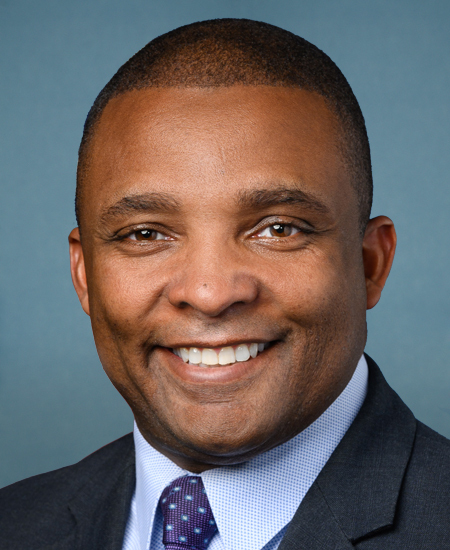
119th Congress Introduced by Don Davis and 2 co-sponsors

Ends banking access for human traffickers by tightening financial controls to disrupt the networks that fund trafficking.

Introduced in House
0
WeVote Research Nonpartisan
Bill Summary · HR 3629

Summary of HR 3629 — End Banking for Human Traffickers Act of 2025

Basic bill information

  • Bill number: HR 3629
  • Title: End Banking for Human Traffickers Act of 2025
  • Status: Introduced in the House
  • Introduced: May 29, 2025
  • Classification: bill
  • Sponsor(s):
    • Primary: Brian K. Fitzpatrick
    • Cosponsors: Donald G. Davis, William R. Keating
  • Related bills: HR 3001 (companion)

What the bill seeks to do (intent and purpose)

  • The title indicates a focus on cutting off or restricting banking access for individuals and networks involved in human trafficking.
  • Based on similar anti-trafficking financial measures, the bill would aim to disrupt the financial flows that enable trafficking by targeting the banking relationships and financial transactions used by traffickers.

Note: The full text of the bill is not provided here. This summary reflects the bill’s stated objective in its title and the standard elements typical of related legislation.

Key provisions and changes (not specified in the provided text)

  • The exact provisions of HR 3629 are not included in the information provided. If enacted, such bills typically address areas like:
    • Enhanced due diligence and reporting requirements for financial institutions to identify and flag suspicious activity related to trafficking.
    • Obligations for banks to report suspected trafficking-related transactions to authorities or financial intelligence units.
    • Sanctions or prohibitions on services for identified traffickers or their associates.
    • Coordination among federal agencies (e.g., law enforcement, financial regulators) to investigate and disrupt trafficking networks.
    • Penalties for institutions or individuals that knowingly facilitate or fail to report trafficking-related financial activity.
  • The above items are common elements in anti-trafficking banking legislation, but should not be assumed as specific to HR 3629 without the bill’s text.

Who would be affected

  • Financial institutions and their compliance teams: potential new due diligence, reporting, and monitoring obligations.
  • Individuals and networks involved in human trafficking: possible restrictions on access to banking and financial services.
  • Federal regulatory and enforcement agencies: likely increased collaboration and information sharing (e.g., FinCEN, Department of the Treasury, Department of Justice).
  • Victims and civil society groups: indirect impact through strengthened enforcement and potential asset recovery mechanisms.

Procedural and timeline aspects

  • Committee referrals:
    • House Committee on Financial Services
    • House Committee on Foreign Affairs
    • Referral language indicates consideration of provisions within each committee’s jurisdiction
  • Introduction date: May 29, 2025
  • Next procedural steps (typical for introduced bills):
    • Committee hearings and markups to draft or amend provisions
    • Potential floor consideration and votes in the House
    • If advanced, possible progression to the Senate or further actions as part of broader anti-trafficking or financial-crime packages

How to track or read the bill

  • To review the full text, amendments, and formal legislative history, consult Congress.gov or the official House committee websites. The companion bill HR 3001 can provide a parallel or later version of the same policy concepts.

Quick take

HR 3629 signals an intent to escalate the federal government’s tools to disrupt financial support for human trafficking by targeting banking access and related compliance regimes. The bill’s progress depends on committee action and broader legislative priorities, with HR 3001 serving as a companion reference.

Compiled from official sources — confirm details with the bill’s official record.

Sign in to ask a question.