

WeVote

Bill

Bill

A 11079

Enacts the "Technical Sergeant Joseph G. Lemm tuition benefit act"

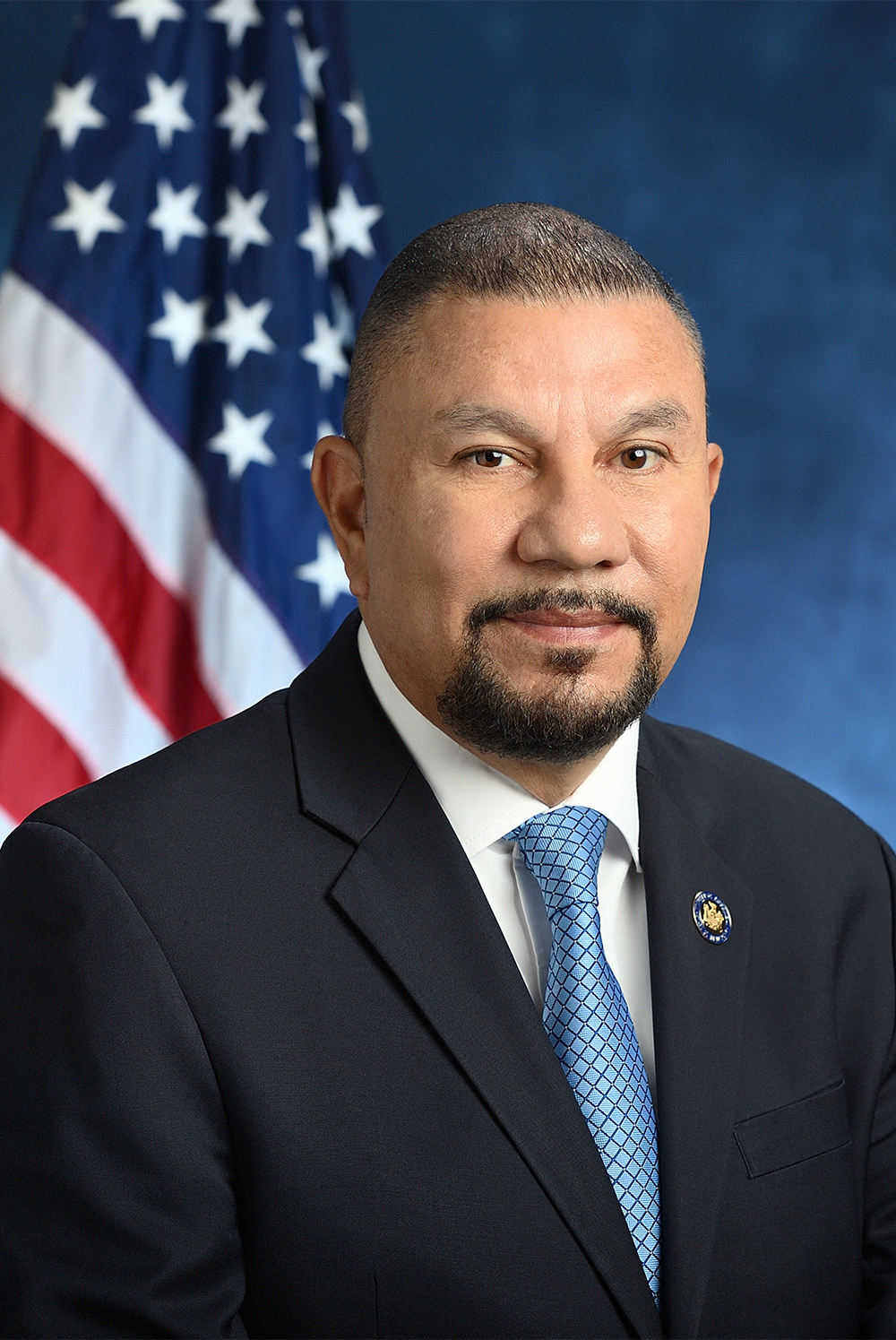
2025 Regular Session Introduced by Phil Ramos

The bill limits tuition benefits to active Guard members pursuing ongoing approved studies, ending or suspending benefits if a recipient earns a bachelor’s or higher degree or lose

REFERRED TO HIGHER EDUCATION
0
WeVote Research Nonpartisan
Bill Summary · A 11079

Summary of Bill A. 11079 (2025-2026) – “Technical Sergeant Joseph G. Lemm Tuition Benefit Act”

Purpose

  • The bill enacts the “Technical Sergeant Joseph G. Lemm tuition benefit act” in New York to modify and clarify the state’s tuition benefit incentives for members of the New York State organized militia (National Guard).
  • It sets eligibility rules and conditions for receiving a tuition benefit under the existing recruitment incentive framework, with changes aimed at alignment with academic progress and military status.

Key Provisions and Changes

  1. Short Title

    • Establishes the act’s name: the "Technical Sergeant Joseph G. Lemm tuition benefit act."
  2. Amendments to Education Law § 669-b (Subdivisions 5 and 7)

    • Subdivision 5 – Eligibility Restrictions:
      • A person who currently holds a master’s degree or higher is ineligible to participate in the recruitment incentive program described in this section.
      • Note: The language uses as an older term for a bachelor’s degree, which is being superseded by “master’s degree or higher” for ineligibility.
    • Subdivision 7 – Termination and Suspension of Benefits:
      • When the recipient attains a post-secondary degree or diploma or ceases to be an active member, the tuition benefit provided under this section ends (whichever occurs first).
      • The benefit may be suspended by the Division of Military and Naval Affairs for:
      • Failure to maintain good military standing as an active member,
      • Failure to maintain good academic progress or program pursuit,
      • Failure to maintain sufficient academic standing to retain eligibility for any other financial assistance the recipient may be receiving.
    • Overall, the act ties ongoing eligibility to continued active duty status, ongoing pursuit of appropriate academic progress, and maintenance of academic standing; attainment of higher degrees or loss of active status triggers termination or suspension of the benefit.
  3. Effective Date

    • The act takes effect immediately upon enactment.
    • The amendments to subdivisions 5 and 7 of § 669-b are stated to be applicable notwithstanding any repeal of the section itself, meaning they would be repealed only with the repeal of § 669-b (per statutory drafting language).

Who Is Affected

  • Members of the New York State organized militia (National Guard and other state militia components) who participate in the state’s tuition incentive/recruitment program under Education Law § 669-b.
  • Current recipients of the tuition benefit and those pursuing qualifications or enrolled in relevant programs.

Procedural and Timeline Aspects

  • Introduced and referred to the Committee on Higher Education on April 24, 2026.
  • As a bill, it would require passage by both the New York State Assembly and Senate and the governor’s signature to become law.
  • Effective immediately upon enactment if enacted.

Practical Implications

  • The bill narrows eligibility by disqualifying individuals who have already earned a master’s degree or higher from the recruitment incentive program.
  • It emphasizes ongoing academic progress and military status as conditions for continued benefit eligibility.
  • Recipients who achieve a bachelor’s degree or higher must monitor how attainment affects their eligibility; depending on the timing, the benefit could terminate or be suspended if conditions are not met or if active service status changes.

Summary of Impact

  • Provides a formal name for the statute addressing tuition benefits for militia members.
  • Aligns benefit eligibility with degree attainment and ongoing military and academic performance.
  • Potentially reduces long-term cost of the program by excluding higher-degree holders and ensuring benefits are reserved for active members pursuing certain academic goals.

Compiled from official sources — confirm details with the bill’s official record.

Sign in to ask a question.