

WeVote

Bill

Bill

A 10795

Enacts the restriction of anticoagulant pesticide transactions for online and retail stores act

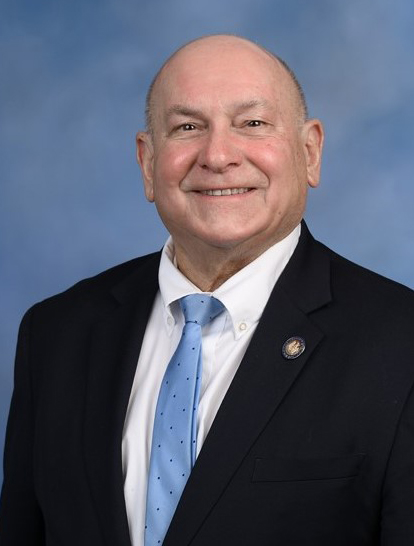
2025 Regular Session Introduced by Chris Burdick

Prohibits sale, use, or distribution of FGARs and SGARs in NY to protect wildlife and people, requires alternatives first, and restricts near wildlife habitats.

ENACTING CLAUSE STRICKEN
0
WeVote Research Nonpartisan
Bill Summary · A 10795

Summary of Bill A 10795 (2025-2026) – RAPTORS Act

Purpose and intent

  • Establishes a state-wide prohibition on selling, offering for sale, distributing, or using pesticides containing first-generation anticoagulant rodenticides (FGARs) and second-generation anticoagulant rodenticides (SGARs) in New York.
  • Aims to protect aquatic, terrestrial, and avian wildlife from unintended harm caused by anticoagulant rodenticides, reduce wildlife and human exposure, and promote safer pest control practices.
  • Notably references the case of Flaco, a Eurasian eagle-owl in New York, to illustrate risks to non-target wildlife and people (including children and pets).

Key provisions and changes

  • New prohibition (Subdivision 14 of Environmental Conservation Law § 33-1301):
    • Prohibits sale, offer for sale, distribution, or use of FGARs and SGARs within the state.
    • Applies to all sale forms, including retail, agricultural suppliers, and online/digital marketplaces serving NY customers.
  • Exceptions and regulatory framework (subdivision 14, paragraph b and c):
    • Paragraph b allows exceptions under specific circumstances where a public safety risk, risk to critical infrastructure, or specific agricultural circumstances exist; details to be governed by regulations.
    • Regulations must be issued in consultation with the Commissioner of Health and Commissioner of Agriculture and Markets and must require exhaustion of alternative pest control methods before using FGARs or SGARs; prohibits applications within 500 feet of designated wildlife habitat areas.
    • Paragraph c provides limited exemptions for FGARs/SGARs in certain agricultural activities at specified locations:
    • Warehouses storing foods for human/animal consumption.
    • Agricultural food/beverage/condiment processing and production sites.
    • Agricultural production sites housing water storage/conveyance facilities.
    • Agricultural production sites housing rights-of-way and transportation infrastructure.
  • Definitions (for clarity):
    • FGARs: Diphacinone, Warfarin, Chlorophacinone.
    • SGARs: Brodifacoum, Bromadiolone, Difenacoum, Difethialone.
    • “Wildlife habitat area”: parks, conservation areas, wetlands buffer zones, nature preserves, wildlife refuges.
    • “Alternative pest control methods”: non-chemical measures (habitat modification, exclusion, sanitation) and physical controls (snap traps, zap traps, live traps, repellents, owl boxes, rodent birth control).

Affected parties and scope

  • Broad impact on:
    • Retailers, online marketplaces, agricultural suppliers, and any seller operating within New York that would otherwise offer FGARs or SGARs.
    • End users in New York, including homeowners, businesses, and agricultural entities, who would be restricted from purchasing or utilizing these pesticides.
  • Regulatory oversight:
    • State agencies, notably the Department of Environmental Conservation (the bill’s sponsor is in Environment Conservation), in collaboration with the Department of Health and the Department of Agriculture and Markets, to implement exemptions and enforce the ban.
  • Wildlife and environment:
    • Aims to reduce exposure of non-target wildlife (including raptors and other species) and domestic animals, along with potential human exposure, by limiting availability of the deadliest rodenticides.

Procedural and timeline aspects

  • Effective date: The act would take effect one year after becoming law.
  • Rulemaking: The bill authorizes immediate regulatory action necessary to implement the act’s provisions prior to the effective date, allowing rules to be adopted in advance of full enforcement.
  • Enactment status: As of the provided text, the Enacting Clause was struck in early action history, with the bill introduced and referred to the Environmental Conservation Committee; sponsor is Assembly member Chris Burdick.

Practical considerations

  • The act emphasizes a transition to alternative pest control methods and wildlife-friendly practices before permitting any use of FGARs/SGARs.
  • The 500-foot restriction near wildlife habitats strengthens safeguards for vulnerable areas.
  • The exact scope of permissible exemptions will depend on future regulations detailing when exemptions apply and ensuring safe, effective alternatives are used first.

This summary highlights the bill’s core objective to restrict anticoagulant rodenticides in New York and promote safer pest control practices, with careful attention to wildlife protection and public health.

Compiled from official sources — confirm details with the bill’s official record.

Sign in to ask a question.