

WeVote

Bill

Bill

A 37

Enacts the "New York individuals with dyslexia education act"

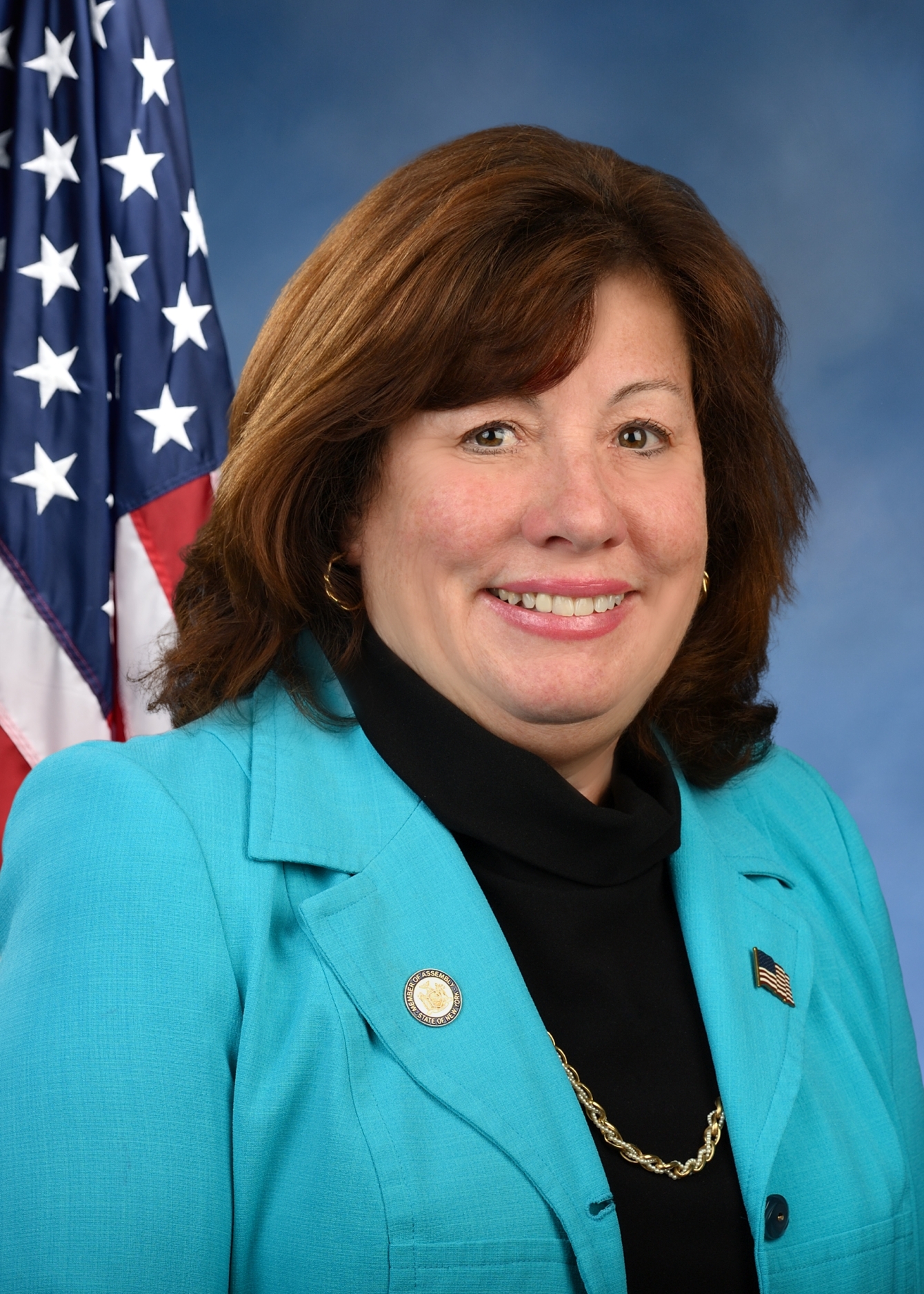
2025 Regular Session Introduced by Marianne Buttenschon and 15 co-sponsors

New York A 37 creates a framework to identify dyslexia early, deliver evidence-based instruction, train staff, and tailor IEP/504 plans to improve student supports.

REFERRED TO EDUCATION
0
WeVote Research Nonpartisan
Bill Summary · A 37

Summary: New York A 37 — New York Individuals with Dyslexia Education Act

Overview

New York Assembly Bill A 37, titled the "New York Individuals with Dyslexia Education Act," is a proposed measure intended to advance education for students with dyslexia in New York. The bill was introduced on January 8, 2025 and referred to the Education Committee for consideration. The primary sponsor is Robert C. Carroll, with a broad group of co-sponsors.

Legislative Status and Process

  • Status: Referred to Education (January 8, 2025).
  • Legislative actions: Referred to Education on January 8, 2025 (listed twice in official actions).
  • Related bills: A 7101 (prior-session), S 6844 (companion). The presence of companion and related versions in other houses suggests cross-chamber alignment or parallel bills under consideration.

Sponsors

  • Primary sponsor: Robert C. Carroll
  • Cosponsors (examples): Jonathan Jacobson, Brian Cunningham, Demond Meeks, Tommy Schiavoni, Josh Jensen, Rebecca Seawright, Marianne Buttenschon, Al Taylor, David Weprin, Karen McMahon, Jen Lunsford, Patrick Chludzinski, Jeffrey Dinowitz
  • The breadth of sponsorship indicates broad interest across districts and parties in advancing dyslexia-focused education policy.

What the Bill Is Likely Aimed To Do (based on the title)

The bill’s stated purpose, as suggested by the title, is to enact a dedicated framework—“New York Individuals with Dyslexia Education Act”—to support the education of students with dyslexia. While the specific statutory text is not provided here, such acts typically address:
- Early identification and screening for dyslexia or related learning differences.
- Access to evidence-based, multisensory instructional approaches and interventions.
- Professional development requirements for teachers and school staff about dyslexia identification, instruction, and accommodations.
- Requirements for individualized planning (e.g., adjustments to IEPs or 504 plans) to ensure appropriate supports.
- District-level planning or coordination, possibly including resource allocation or the establishment of dyslexia specialists or coordinators.
- Family engagement and communication regarding assessment and intervention processes.
- Data collection and reporting related to dyslexia identification, services, and outcomes.
Note: The exact provisions should be confirmed in the bill text.

Potential Impacts

  • Students: Improved identification and targeted instructional support for those with dyslexia; potential changes to service delivery, accommodations, and IEP/504 planning.
  • Educators: Increased training requirements and resources on dyslexia identification and evidence-based teaching strategies.
  • School Districts: New or enhanced procedures for screening, instruction, and progress monitoring; potential budgeting implications for training and materials.
  • Families: Greater engagement and clarity on supports available for their children.

Timelines and Next Steps

  • With the bill referred to Education, it will progress through committee review, potential amendments, and votes before consideration by the full chamber. If advanced, it may move to the Senate for companion action (S 6844) or to other legislative stages.
  • Track for updates on committee reports, amendments, and floor action.

Notes

  • The provided information does not include the bill’s exact text or provisions. Readers should consult the official bill text for precise requirements, timelines, and funding details once available.

Compiled from official sources — confirm details with the bill’s official record.

Sign in to ask a question.