

WeVote

Bill

Bill

A 1482

Enacts the New York civil rights cold case records collection act

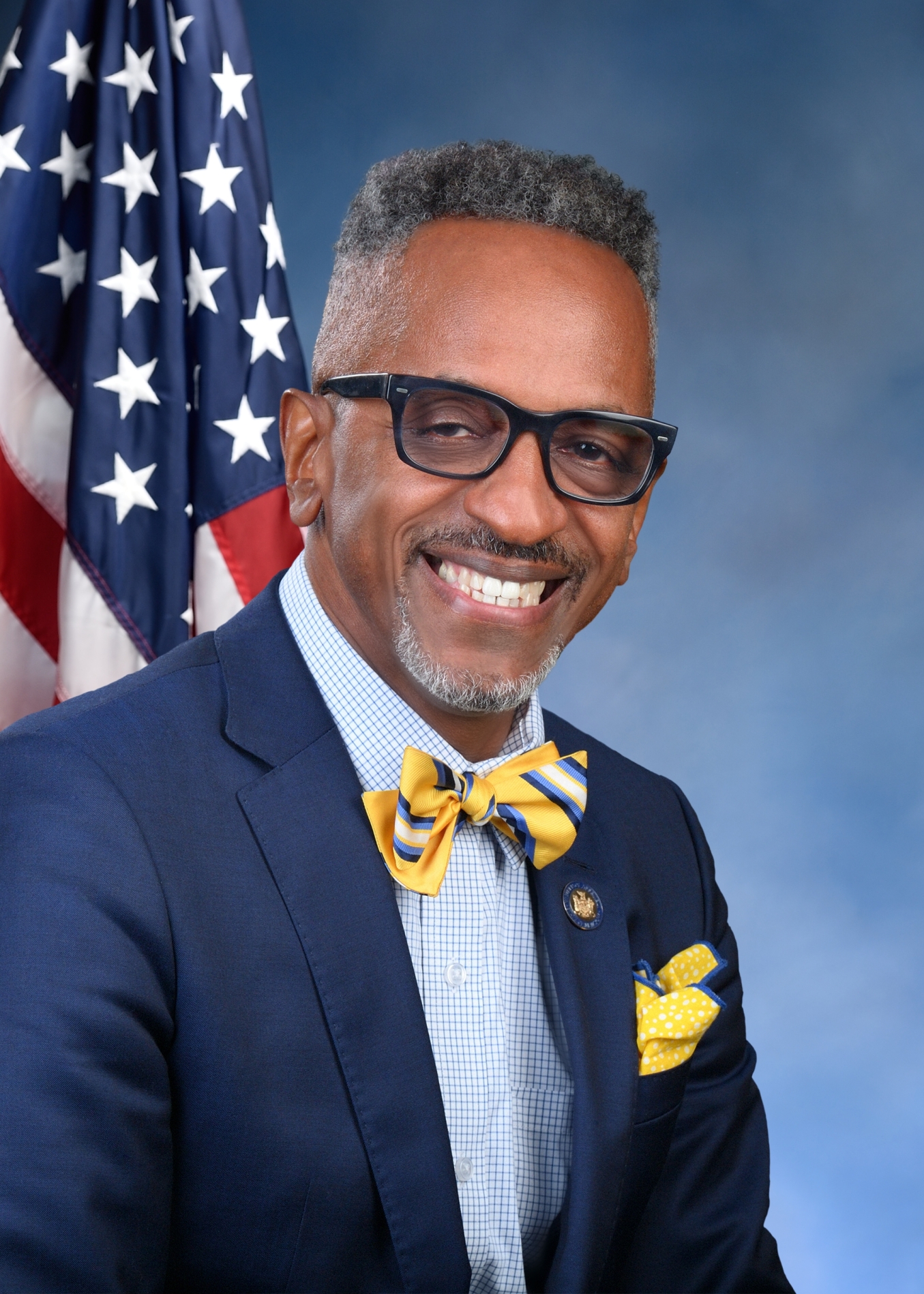
2025 Regular Session Introduced by Al Taylor

Establishes a one-time DEP rebate program for microfiber washing machine filters up to $100 or cost, funded at $2.5 million, to cut microfiber pollution.

REFERRED TO GOVERNMENTAL OPERATIONS
0
WeVote Research Nonpartisan
Bill Summary · A 1482

Overview of Bill A 1482 (Introduced Version)

Note: The bill information lists a New York civil rights cold case records collection act, but the introduced version content provided here describes a New Jersey environmental measure on microfiber washing machine filters. The following summary reflects the introduced version content as written.

What the bill would do

  • Establish a one-time rebate program within the New Jersey Department of Environmental Protection (DEP) to encourage residents to purchase microfiber washing machine filters or replacement filters.
  • Provide rebates up to the lesser of the filter’s purchase price or $100.
  • Create a process for DEP to determine eligible filters, administer applications, and adopt necessary rules.
  • Require annual reporting (starting two years after the act’s effective date) on program effectiveness, spending, remaining funds, and recommendations for improvement or funding needs.
  • Appropriate $2.5 million from the General Fund to DEP to fund the rebates.
  • Take effect immediately upon enactment.

Key provisions and changes

  • Rebates: Eligible residents can receive a one-time rebate for purchasing a microfiber washing machine filter or replacement filter, capped at $100 or the filter’s cost, whichever is lower.
  • Administration: DEP would identify eligible filter types/brands, set application procedures, and issue rules/regulations under the Administrative Procedure Act.
  • Promotion: DEP must advertise rebate availability on its website and keep information current.
  • Reporting: Every year (beginning two years after the act’s effective date) DEP must report to the Governor and Legislature on:
    • Effectiveness in reducing microfiber pollution
    • Total rebates issued and total expenditure
    • Remaining funding suitable for future years
    • Recommendations to improve the program and whether additional funding is needed
  • Definitions:
    • “Microfiber washing machine filter” means a device attached to a washing machine to filter microfibers from wastewater before release to septic or public sewage systems.
    • “Department” refers to DEP.

Who/what is affected

  • Primary: New Jersey residents eligible for the rebate program.
  • Implementing agency: New Jersey Department of Environmental Protection.
  • Vendors: Manufacturers/brands of eligible microfiber filters identified by DEP.

Timeline and process

  • Within 1 year after the act’s effective date: DEP must establish and implement the rebate program.
  • Up to 2 years after the act’s effective date: DEP must complete and publish the initial regulatory framework for implementation.
  • Ongoing: Annual reporting to the Governor and Legislature.
  • Funding: $2.5 million appropriated upfront from the General Fund for rebates.

Administrative status and sponsorship

  • Introduced: January 9, 2024.
  • Sponsored by: Assemblymember Al Taylor (primary).
  • Legislative actions show the bill referred to Governmental Operations (latest entry January 10, 2025, with related duplications in the record).
  • Related/companion bills exist in the Senate (e.g., S 1048) and other Assembly/Senate counterparts.

Context and intent

  • The bill aims to reduce microfiber pollution by promoting the use of filtration devices on household washing machines, aligning with EPA guidance that supports filtration to minimize microplastic release into waterways. The stated intent is environmental protection through consumer incentives.

Compiled from official sources — confirm details with the bill’s official record.

Sign in to ask a question.