

WeVote

Bill

Bill

A 3414

Enacts the internet service outage consumer protection act

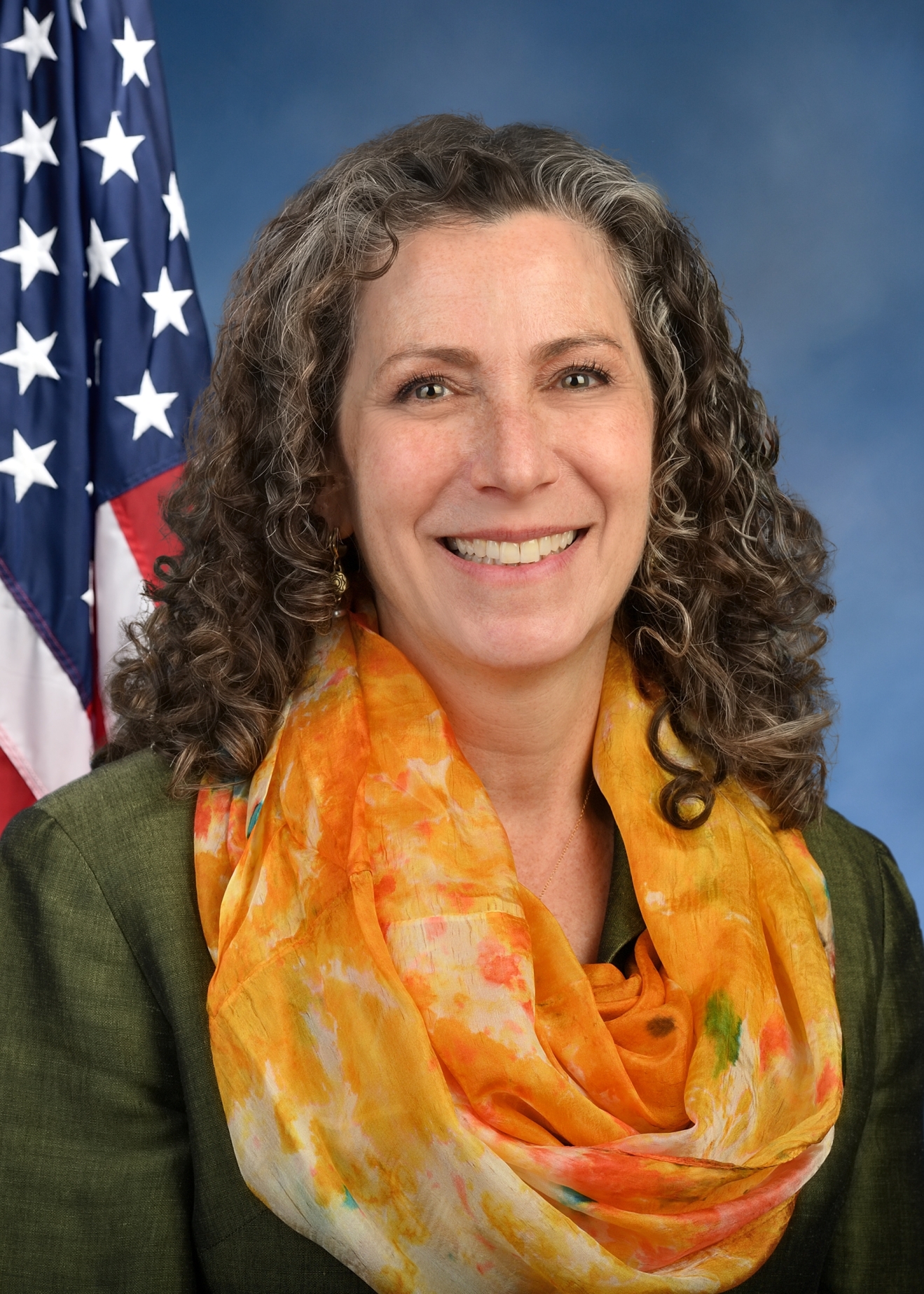
2025 Regular Session Introduced by Dana Levenberg and 3 co-sponsors

Establishes state oversight for shampooing: allows student shampoo permits and a certification path for non-students as shampoo technicians, with training, exams, and board rules.

REFERRED TO CORPORATIONS, AUTHORITIES AND COMMISSIONS
0
WeVote Research Nonpartisan
Bill Summary · A 3414

Summary — A3414 (now P.L.2025, c.18)

Status: Enacted — Approved P.L.2025, c.18 (chaptered Feb 3, 2025)
Introduced: Feb 1, 2024. Sponsors: Angelo Santabarbara; cosponsors Nader Sayegh, Brian Manktelow, Dana Levenberg. Companion: S2245.

Purpose

To create statutory oversight for individuals who wash hair (shampoo and rinses) by (1) authorizing a student shampoo permit for certain cosmetology/barbering students and (2) establishing a certification pathway and regulatory framework for non‑student “shampoo technicians.” The intent is to permit limited hair‑washing services by persons who are not fully licensed cosmetology/barbers while ensuring minimum training, examination, and board oversight.

Key provisions

  • Student shampoo permit:

    • Allows registered students in cosmetology/hairstyling, beauty culture, or barbering programs to obtain a shampoo permit after completing required course hours (later versions specify 60 hours of instruction; original introduced text referenced 40 hours for non‑students).
    • Permits may be issued to junior students (less than half of program completed) or senior students (at least half completed), per the amended bill language.
  • Certification pathway for non‑students:

    • Individuals not enrolled in a licensing program may become certified as a shampoo technician by completing required training hours (committee/reprint materials specify 60 hours; the introduced version specified 40 hours).
    • Training may be provided by a Board‑licensed school, an approved public vocational program, or by a licensed shop (for a reasonable fee).
  • Examination and certification:

    • Completion of training requires passing a practical examination. Exams may be administered at licensed schools, public vocational programs, or scheduled/administered by the State Board of Cosmetology and Hairstyling.
    • Conflict‑of‑interest rule: examiners affiliated with a licensed school may not grade exams of students from that school.
    • The Board issues permits/certifications and sets renewal/reactivation rules and fees.
  • Board rulemaking:

    • The New Jersey State Board of Cosmetology and Hairstyling must promulgate regulations implementing standards (qualifications, authorized trainers/examiners, fees, etc.).

Who is affected

  • Registered cosmetology/barbering students (new student shampoo permit pathway).
  • Individuals seeking employment solely to shampoo/rinse hair (new certification option).
  • Cosmetology schools, public vocational programs, licensed shops (responsible for training/exams).
  • New Jersey State Board of Cosmetology and Hairstyling (administration, licensing, enforcement).
  • Consumers who receive shampooing services.

Fiscal and procedural notes

  • Fiscal impact: Office of Legislative Services projects indeterminate increases in State revenue (permit/certification/exam fees, fines) and indeterminate administrative cost increases for the Board. The student permit fee is currently noted at $5 per applicant; other fees will be set by the Board.
  • Legislative timeline: Introduced Feb 1, 2024; reported from committee Mar 14, 2024; passed both houses (Senate amendment adopted) Dec 19, 2024; enacted as P.L.2025, c.18 Feb 3, 2025. The bill text evolved (introduced version used 40 training hours; later reprint/committee material and fiscal notes reference 60 hours).

Compiled from official sources — confirm details with the bill’s official record.

Sign in to ask a question.