

WeVote

Bill

Bill

A 5182

Enacts the frontline worker assistance act

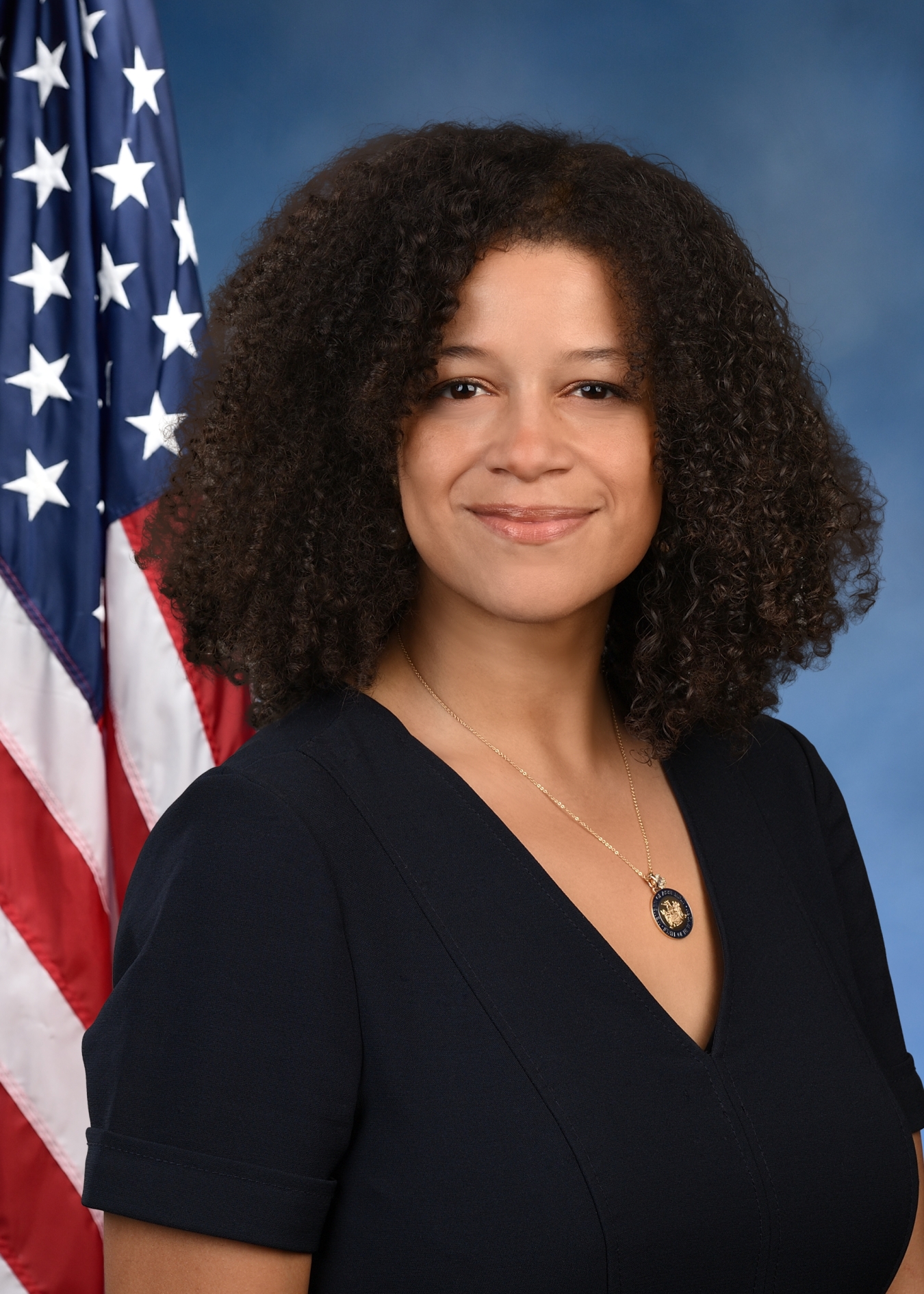
2025 Regular Session Introduced by Michaelle Solages

The act shifts county college funding to a performance‑based, statewide planning model with a unified budget process, enhanced coordination, and data‑driven allocations.

REFERRED TO WAYS AND MEANS
0
WeVote Research Nonpartisan
Bill Summary · A 5182

Summary — A5182 (Frontline Worker Assistance Act)

Enacted text amends New Jersey law governing the New Jersey Council of County Colleges to modernize its duties, strengthen statewide coordination, and require performance‑oriented budgeting and planning.

Purpose

To update and expand the powers and responsibilities of the New Jersey Council of County Colleges so it can:
- develop systemwide strategic planning and budgeting,
- serve as the primary advisory body on county‑college matters to State officials and agencies,
- implement statewide initiatives and coordinate data, academic, and workforce activities across county colleges.

Key provisions

  • Requires the Council of County Colleges to submit an annual unified budget request for State support of county colleges to the State Treasurer, the Governor, and the Legislature (amends N.J.S.18A:64A‑22).
  • Maintains existing State aid structure parameters:
    • Capital project aid up to 50% of project cost.
    • Operational State aid in statute referenced range (43% used in calculations, not to exceed 50% of educational and general costs).
    • No county college may receive more than 50% of projected educational and general costs from State aid under the act.
    • Counties must continue local support at least the greater of the amount provided in the enactment year or 25% of operational expense in the base fiscal year.
  • Requires the Council to develop a performance‑based funding formula for allocating State operational aid; the formula must be approved by the State Treasurer and the Secretary of Higher Education. The formula must:
    • include categorical support and differential funding tied to program costs,
    • promote equity, results orientation, and transparency,
    • be reviewed and recommended for improvement by the Council at least every three years.
  • Expands Council responsibilities (amends P.L.1989, c.141, C.18A:64A‑28.2) to:
    • produce a biennial strategic plan aligned with State education and economic priorities (plan must be developed in consultation with county college faculty, staff, and students);
    • act as the primary advisory body to the Governor, Legislature, Presidents’ Council, Office of the Secretary of Higher Education, and other State agencies — with required stakeholder consultation;
    • serve as the vehicle for statewide initiatives (student success, academic innovation, basic needs, financial aid targeting, data‑driven decisions, professional development);
    • enhance labor market data, maintain an industry‑valued credential list, and make college data publicly available;
    • maintain a statewide general education framework to ensure credit transfer, approve credit courses used in aid calculations, and expand dual enrollment and credit‑for‑prior‑learning opportunities;
    • operate a Community College Joint Purchasing Consortium and provide contract services to State agencies where allowed;
    • assist in capital funding facilitation and administration of Perkins Career and Technical Education funds.

Who is affected

  • County colleges (administration, faculty, staff, students)
  • State higher education and budget officials (State Treasurer, Secretary of Higher Education)
  • Employers, labor organizations, workforce boards, K–12 and four‑year institutions
  • State agencies that contract with or rely on county colleges
  • Taxpayers (through allocation of State appropriations and potential redistribution under a new funding formula)

Implementation & procedural notes

  • Performance‑based formula requires approval by the State Treasurer and Secretary of Higher Education; Council must review recommended improvements every three years.
  • Biennial strategic plan must be developed with input from faculty, staff, and students.
  • The bill does not appropriate new funds; it changes governance, planning, and allocation mechanisms and operates within existing appropriation limits.

Legislative status & timeline

  • Introduced (Assembly) Jan 14, 2025; referred to Assembly Higher Education Committee.
  • Reported out of committee with amendments Feb 10, 2025.
  • Passed Assembly Feb 27, 2025 (73–0–1).
  • Referred to Senate Higher Education Committee Mar 3, 2025; also noted referrals to Ways & Means (Feb 12, 2025).
  • Companion: S4021. Prior‑session related bills: A9928, A2871.

Sponsor

  • Assemblywoman Michaelle C. Solages (primary)

Potential impacts / considerations

  • Moves county college funding toward a performance‑oriented, data‑driven model; may shift allocations among colleges based on outcomes and program costs.
  • Strengthens statewide coordination and transferability, which could ease student mobility and alignment with workforce needs.
  • Implementation will require data systems, stakeholder engagement processes, and interagency coordination; fiscal effects depend on how appropriations are distributed under the new formula.

Compiled from official sources — confirm details with the bill’s official record.

Sign in to ask a question.