

WeVote

Bill

Bill

A 4562

Enacts the election workers and polling places protection act

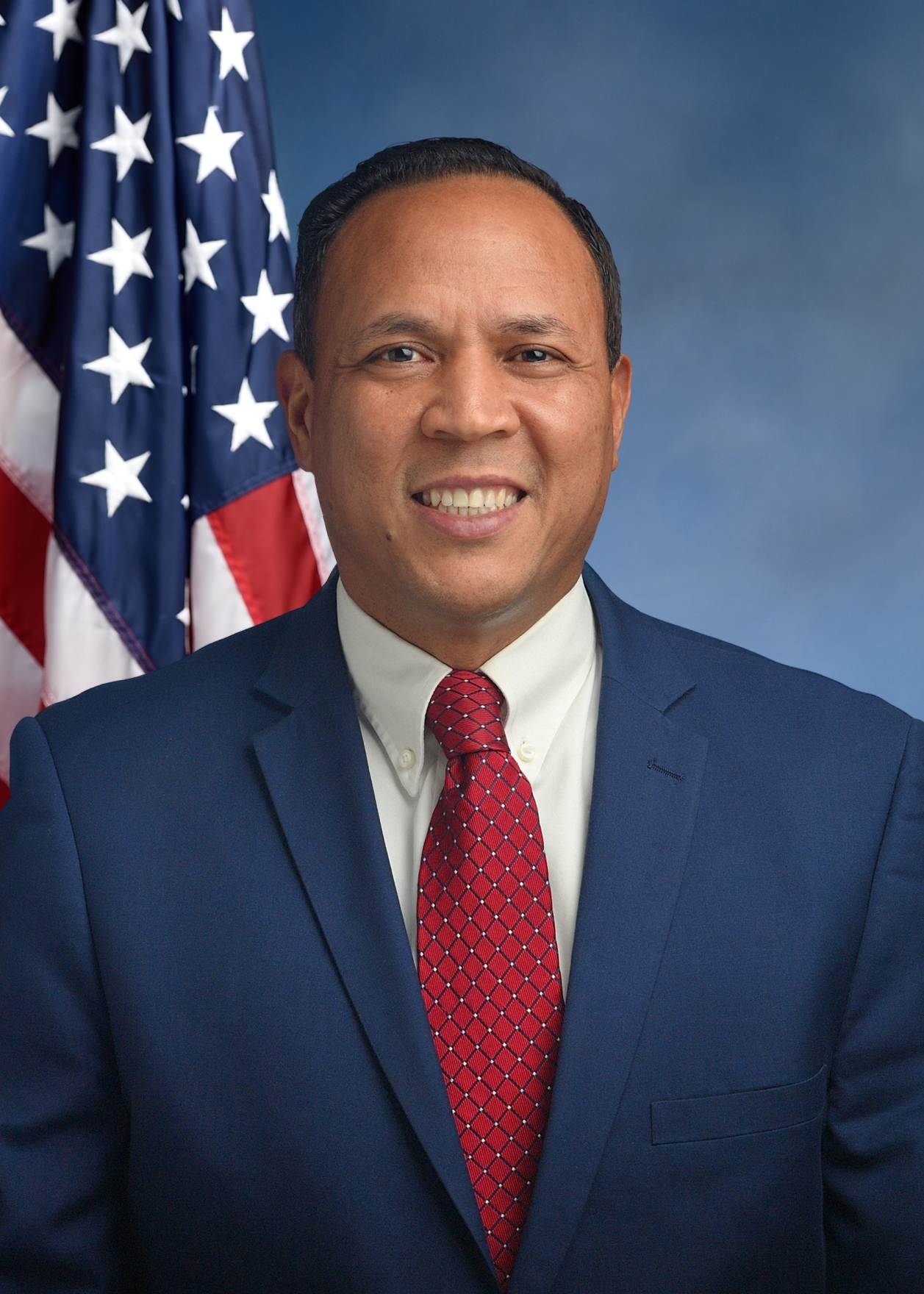
2025 Regular Session Introduced by George Alvarez and 18 co-sponsors

The bill requires automatic enrollment into public-sector deferred compensation plans for State hires and allows optional auto-enrollment for local employers, with default deferral

REFERRED TO ELECTION LAW
0
WeVote Research Nonpartisan
Bill Summary · A 4562

Summary — A4562: “Election Workers and Polling Places Protection Act” (note: bill text addresses automatic enrollment in deferred compensation plans)

Note: Although the bill title shown refers to election workers/polling places, the bill text and amendments provided amend New Jersey deferred compensation law to permit and (for State hires) require automatic enrollment in deferred compensation plans and to add collective-bargaining protections. This summary reflects the substantive language provided.

Purpose

To permit (and in certain State cases require) automatic enrollment of employees into public-sector deferred compensation plans, establish default deferral and default investment rules for such automatic enrollment arrangements, and to require bargaining with union majority representatives over automatic-enrollment terms for represented employees.

Key provisions

  • Amends P.L.1977, c.381 (C.43:15B-1) and P.L.1978, c.39 (C.52:18A-165).
  • Automatic enrollment option for counties/municipalities:
    • A county or municipality may adopt a plan provision that automatically defers a specified percentage of salary from employees unless they affirmatively elect not to participate or to defer a different percentage.
    • The employer may set a default deferral percentage, allow periodic escalation, and permit periodic default reenrollment of nonparticipating employees.
    • Employers must provide notice and a reasonable opportunity to opt out or change the deferral amount.
  • Automatic enrollment requirement for State hires:
    • Each employee eligible to participate in the State Employees Deferred Compensation Plan who is hired on or after January 1 following the bill’s effective date will be automatically enrolled and have a default percentage deferred unless they make an affirmative election not to defer or to choose a different percentage.
    • The State board may exempt classes of employees (e.g., part‑time, seasonal, temporary).
  • Default investment:
    • If the plan includes automatic enrollment, the named fiduciary must designate a default investment for employees who do not make an investment election.
  • Collective-bargaining protections (floor amendments / reprint):
    • Employers whose employees are represented by a union recognized as the majority representative must negotiate deferred compensation plan terms with that majority representative, including whether represented employees will be automatically enrolled, the default deduction percentage, and default investment.
    • Absent a written agreement with the majority representative, represented employees must affirmatively elect to participate (i.e., no automatic enrollment for represented employees unless bargained).
  • Administrative/legal technicals:
    • Deductions pursuant to default deferral percentages are treated as written, voluntary agreements for purposes of applicable statutes.

Who is affected

  • State employees (mandatory auto‑enrollment for eligible hires on/after the first Jan. following enactment, unless they opt out).
  • County and municipal employees (automatic enrollment optional at employer discretion).
  • Public employers and the named fiduciaries administering deferred compensation plans.
  • Employees represented by majority union representatives (collective‑bargaining protections require negotiation before automatic enrollment can be applied to them).

Effective date and implementation

  • The bill states it takes effect immediately.
  • For the State plan, the auto‑enrollment requirement applies to employees hired on or after January 1 following enactment.
  • Employers and plan fiduciaries would need to adopt plan provisions, select default percentages and default investments, and implement notice, opt‑out, and reenrollment procedures.

Potential impacts

  • Likely to increase participation in deferred compensation plans for non‑represented and new State hires, boosting retirement savings via automatic enrollment.
  • Requires collective-bargaining negotiations before applying automatic enrollment to represented employees, preserving bargaining rights and potentially delaying implementation for those groups.
  • Administrative changes for plan administration: selection of default investment, notice procedures, payroll deductions, and handling of periodic escalation/reenrollment.

Legislative status & next steps

  • Introduced: 6/13/2024.
  • Assembly committee reported favorably: 12/12/2024.
  • Assembly floor amendment passed: 3/24/2025 (added bargaining/representation provisions).
  • Passed Assembly: 5/22/2025 (67-9-1).
  • Referred to Senate committees: received in Senate 5/29/2025 (referred to Senate State Government, Wagering, Tourism & Historic Preservation Committee). Status line also shows referral to Election Law.
  • Not enacted — pending further Senate committee consideration and floor action.

Sponsors and related bills

  • Primary sponsors: Rosaura Bagolie and Charles Lavine (co-primary listed).
  • Multiple cosponsors from Assembly.
  • Companion/related bills: S4554, S1524; prior-session related bills: A10687, A4759.

If you’d like, I can prepare a one‑page comparison of this bill’s automatic‑enrollment approach with other states’ models or draft likely language employers would need to implement compliance steps (notice templates, payroll changes, bargaining checklists).

Compiled from official sources — confirm details with the bill’s official record.

Sign in to ask a question.