

WeVote

Bill

Bill

HB 415

Enact CROWN Act regarding discrimination based on hair

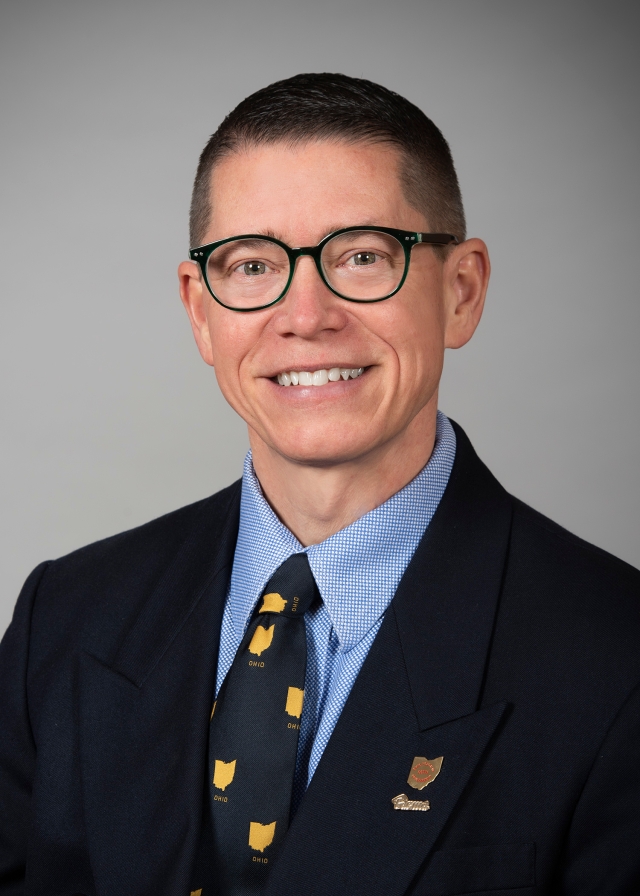
136th Legislature (2025-2026) Introduced by Sean Brennan and 16 co-sponsors

Ohio bill prohibiting employment, housing, and public accommodation discrimination based on natural hair texture and protective hairstyles to address racial disparities in appearance-based policies.

Referred to committee
0
WeVote Research Nonpartisan
Bill Summary · HB 415

Legislative bill overview

HB 415 proposes enacting Ohio's version of the CROWN Act (Create a Respectful and Open Workplace for Natural Hair), which would prohibit discrimination based on hair texture, hairstyle, and natural protective hairstyles like braids, twists, and locs in employment, housing, and public accommodations. The bill aims to address disparate treatment of Black employees and individuals who wear naturally textured hair or culturally significant hairstyles.

Why is this important

Workplace and housing discrimination based on hair texture and natural hairstyles disproportionately affects Black Americans, who face barriers to employment and equal access to services when wearing protective or natural styles. Legal protections ensure equal opportunity and recognize that appearance standards have historically been used as mechanisms of racial discrimination.

Potential points of contention

  • Defining protected hairstyles: Determining which hairstyles qualify as "natural" or "protective" and what constitutes unlawful discrimination versus legitimate business grooming standards could create legal ambiguity
  • Employer concerns: Some employers and industries (particularly those with safety or professional dress codes) may argue the bill limits their ability to enforce appearance policies they consider necessary
  • Scope and enforcement: Questions remain about whether protections apply broadly to all hair-related decisions or specific categories, and how enforcement mechanisms would work in practice

Compiled from official sources — confirm details with the bill’s official record.

Sign in to ask a question.