

WeVote

Bill

Bill

A 6383

Enables students to receive information from colleges and universities without disclosing their personally identifiable information

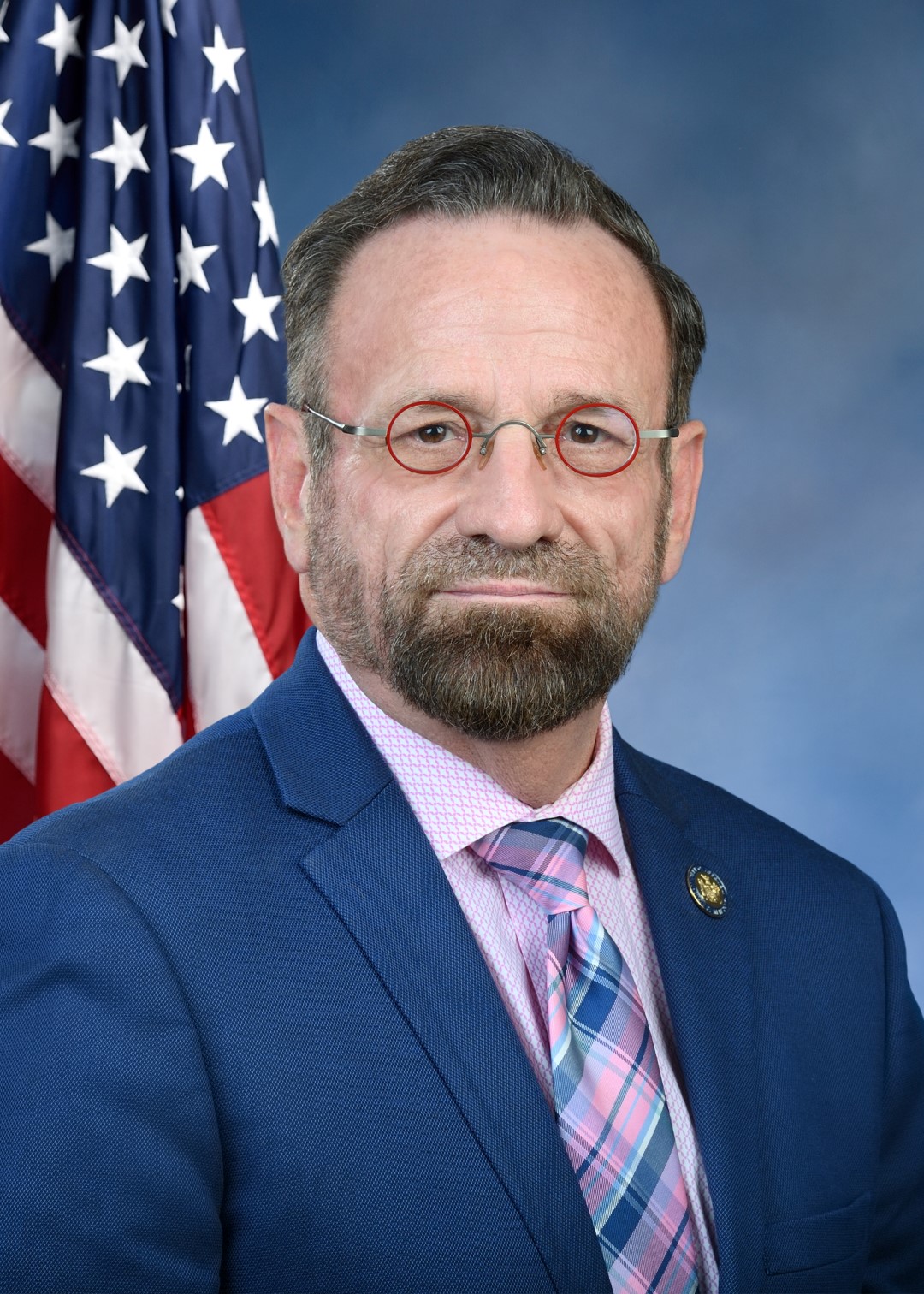
2025 Regular Session Introduced by Harry Bronson and 1 co-sponsor

Allows students to obtain information from colleges and universities without sharing PII, using non-identifying data or secure portals to protect privacy while preserving access.

REFERRED TO EDUCATION
0
WeVote Research Nonpartisan
Bill Summary · A 6383

Summary of New York Bill A 6383

Purpose and intent

  • A 6383 aims to enable students to receive information from colleges and universities without disclosing their personally identifiable information (PII).
  • The bill’s stated objective is to protect student privacy while facilitating access to information from higher education institutions.

Key provisions (as introduced)

  • The bill would establish rights or mechanisms by which students can obtain information from colleges and universities without providing PII.
  • The exact methods, definitions, and limitations would be specified in the bill’s text. Potential approaches typically considered in privacy-focused proposals include:
    • Information requests fulfilled through non-identifying data or aggregated/non-PII formats.
    • Secure portals or verification methods that do not require sharing PII in disclosures.
    • Requirements for institutions to implement procedures that minimize data collection and exposure.
  • Specific definitions (e.g., what constitutes PII, what types of information are covered, and acceptable verification methods) would be detailed in the statute.
  • Any privacy, security, or data-handling standards, exemptions, enforcement provisions, and remedies would be defined in the full bill.

Affected entities and impact

  • Primary beneficiaries: Students seeking information from colleges and universities.
  • Secondary beneficiaries: Colleges and universities, which would need to adjust information-disclosure processes to allow non-PII communication or provide alternative verification mechanisms.
  • Potential operational impacts for institutions include implementing privacy-preserving information-sharing workflows and ensuring compliance with the new requirements.

Procedural and timeline notes

  • Introduced: March 4, 2025.
  • Status: Referred to the Education committee.
  • Legislative actions listed show the referral occurred on March 4, 2025 (duplicated entry in the record).
  • Related steps (not specified in the record) would typically include committee consideration, potential amendments, floor votes, and eventual passage or rejection in the chamber, followed by consideration by the other house if applicable.

Sponsorship and related bills

  • Primary sponsor: Alicia Hyndman.
  • Co-sponsor: Harry B. Bronson.
  • Related bills:
    • A 9967 (prior-session)
    • S 3752 (companion)

Notes for readers

  • The summary reflects information available in the bill record. Full details, including precise definitions, scope of information, and implementation mechanics, will be in the bill’s text as it moves through committee and potential amendments.

If you’d like, I can tailor this summary to emphasize privacy protections, data security standards, or potential fiscal implications once the full text is available.

Compiled from official sources — confirm details with the bill’s official record.

Sign in to ask a question.