

WeVote

Bill

Bill

S 2699

Enables any city having a population of one million or more to impose and collect taxes on vacant ground floor commercial premises

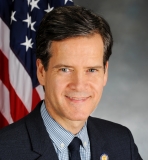
2025 Regular Session Introduced by Brad Hoylman-Sigal

Authorizes cities with 1,000,000+ residents to impose and collect a vacancy tax on ground-floor commercial space, to spur activation and raise local revenue via local ordinances.

REFERRED TO INVESTIGATIONS AND GOVERNMENT OPERATIONS
0
WeVote Research Nonpartisan
Bill Summary · S 2699

Bill Summary — S 2699

Title: Enables any city having a population of one million or more to impose and collect taxes on vacant ground floor commercial premises
Status (as of provided record): Referred to Investigations and Government Operations; committee study ordered (see Legislative Actions)
Introduced: September 3, 2025

Main purpose and intent

S 2699 would authorize large cities (those with populations of 1,000,000 or more) to impose and collect a tax specifically targeted at vacant ground‑floor commercial premises. The stated policy aim is to encourage activation of street‑level storefronts, reduce blight, and create a local revenue source to support community development or related municipal services.

Key provisions (what the bill does)

  • Grants municipal taxing authority: expressly enables qualifying cities to adopt ordinances imposing taxes on vacant ground‑floor commercial premises.
  • Size threshold: authority is limited to cities with population ≥ 1,000,000.
  • Delegates implementation details to local government: the text provided does not specify a uniform state tax rate, base, exemption criteria, measurement method (e.g., per square foot, assessed value, or flat fee), or enforcement mechanisms—these would be established by local ordinance under the authorization.
  • Allows collection: cities are empowered not only to authorize the tax but to collect it and presumably enforce compliance under local procedures.

Note: The full bill text with statutory amendments, definitions (what counts as “vacant” or “ground floor commercial premises”), exemptions, appeals, and revenue use rules was not supplied. Those elements determine concrete effects and legal exposure.

Who is affected

  • Municipalities: Large cities gain a new tool to address storefront vacancy and to raise revenue.
  • Commercial property owners and landlords: owners of ground‑floor commercial space would be subject to taxation when units are classified as vacant.
  • Tenants, developers, neighborhood business districts: potential indirect effects on rents, redevelopment incentives, and leasing behavior.
  • Residents and local merchants: potential improvements in street vitality but also possible pass‑through costs.

Potential impacts and considerations

  • Incentive effect: a vacancy tax can incentivize property owners to lease or repurpose street‑level space (pop‑ups, affordable retail, cultural uses).
  • Revenue: fiscal impact depends entirely on tax design (rate and base); could fund façade programs, activation grants, enforcement, or general municipal needs.
  • Administrative complexity: defining “vacant,” valuation method, compliance monitoring, and appeals could require significant administrative capacity.
  • Legal issues: local taxing authority must be consistent with state law and constitutions; specificity in definitions and process reduces litigation risk.
  • Equity and unintended effects: could increase costs for small landlords or be passed to prospective tenants, potentially affecting small-business formation.

Legislative status & procedural notes

  • Introduced Sept 3, 2025. Committee referrals and related procedural activity are recorded (committee study ordered; referrals to multiple committees including Investigations and Government Operations). The record includes companion or related documents (e.g., S182) and several prior-session related bills (S 5686, S 83, S 1539). The bill remains under committee consideration.

For stakeholders to watch

  • The actual ordinance language cities would adopt (rate, exemptions, measurement).
  • Committees’ study reports and any amendments that add definitions, carve‑outs (e.g., active renovation exemptions, temporary vacancy allowances), or specify permissible revenue uses.
  • Fiscal analyses estimating revenue and administrative costs.

Compiled from official sources — confirm details with the bill’s official record.

Sign in to ask a question.