

WeVote

Bill

Bill

SF 3785

Employee Identification numbers classified as not public data provision

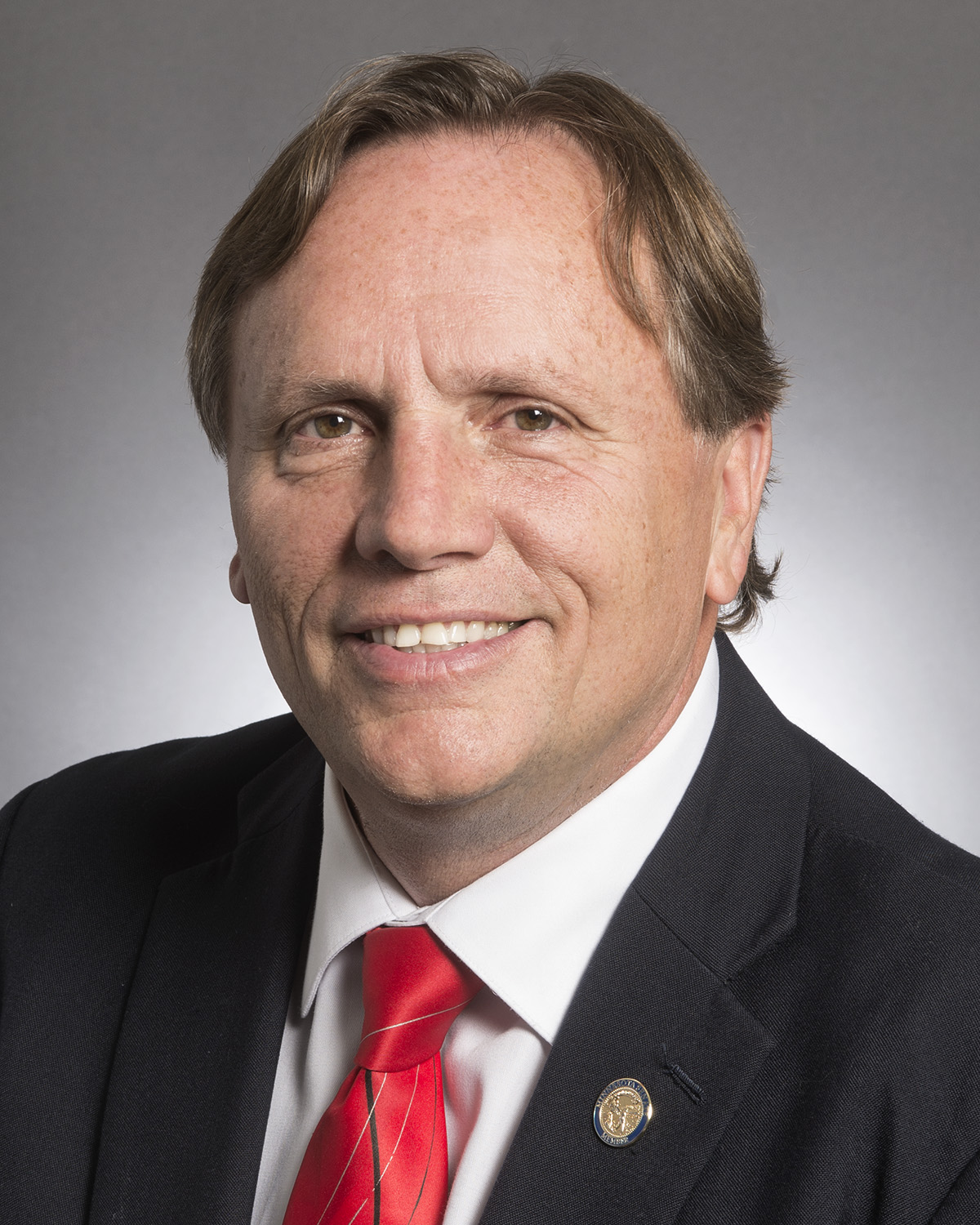
2025-2026 Regular Session Introduced by Jim Abeler and 2 co-sponsors

Minnesota bill reclassifies employee identification numbers as non-public data, restricting public access to employee IDs across state agencies and institutions.

Referred to Judiciary and Public Safety
0
WeVote Research Nonpartisan
Bill Summary · SF 3785

Legislative bill overview

SF 3785 classifies employee identification numbers as non-public data under Minnesota law, restricting public access to these records. The bill was introduced in February 2026 and referred to the Judiciary and Public Safety Committee. This reclassification would prevent disclosure of employee IDs through public records requests or other transparency mechanisms.

Why is this important

Employee identification numbers are used across public agencies, schools, healthcare systems, and other institutions for internal tracking and payroll systems. Classifying them as non-public data would limit potential misuse of these identifiers while also reducing government transparency regarding employee records. The policy reflects growing concerns about data privacy and identity protection in the digital age.

Potential points of contention

  • Government transparency vs. privacy: Critics may argue that restricting employee ID access reduces public oversight of government operations and agency records, while supporters contend personal identifying information requires protection
  • Scope ambiguity: The bill may need clarification on whether it applies to all employee IDs across sectors (public, private, non-profit) or only government employees, and how it interacts with existing data classification laws
  • Implementation burden: Agencies would need to implement systems to redact or protect employee IDs in responses to public records requests, creating administrative costs and potential operational complications

Compiled from official sources — confirm details with the bill’s official record.

Sign in to ask a question.