

WeVote

Bill

Bill

SF 130

Emergency assistance immunity-mental health services.

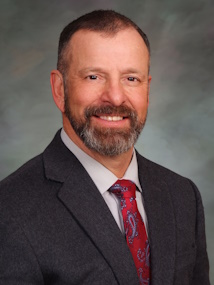
2025 Regular Session Introduced by Eric Barlow and 6 co-sponsors

Expands civil immunity for in-good-faith emergency aid to mental health crises, shielding unpaid volunteers, EMS personnel, medical directors, and trainees from liability.

Assigned Chapter Number 57
0
WeVote Research Nonpartisan
Bill Summary · SF 130

Summary — SF 130: Emergency assistance immunity — mental health services

Status: Enacted (Chapter No. 57, SEA No. 0027)
Introduced: Jan 23, 2025. Effective date: July 1, 2025.

Purpose

SF 130 expands Wyoming’s civil‑liability exemption for persons who render emergency assistance to explicitly include assistance provided during mental health crises. The bill clarifies and extends existing Good Samaritan–style immunity to mental‑health emergency responses, including suicidal interventions and mental‑health services provided by volunteers and ambulance/rescue personnel.

Key provisions

  • Amends W.S. 1‑1‑120(a) & (b) to state that any person who in good faith renders emergency care or assistance — including assistance for a mental health crisis — without compensation at the scene of an emergency, accident, or mental health crisis is not civilly liable for acts or omissions in good faith.
  • Extends immunity to:
    • Volunteer ambulances and rescue vehicles supported by public or private funds that are staffed by unpaid volunteers and charge no or only incidental fees.
    • Unpaid volunteers who staff those ambulances/rescue vehicles when furnishing emergency medical services or services during mental health crises.
    • A physician serving as medical director of an ambulance service, hospitals and hospital employees providing clinical training for approved EMS classes, and students participating in approved EMS or mental health services training.
  • Defines “unpaid volunteers” as persons who receive incidental per‑call remuneration or not more than $1,000 annually for volunteer ambulance/rescue activities, including mental‑health services.
  • Preserves exceptions: immunity does not apply to acts or omissions constituting gross negligence or willful or wanton misconduct.
  • If acts/omissions are subject to the Wyoming Governmental Claims Act (W.S. 1‑39‑118), immunity is waived to the extent of the Act’s maximum liability.

Who is affected

  • Volunteer EMS personnel, unpaid ambulance/rescue staff, physicians serving as medical directors, hospitals and employees engaged in approved training, and students in approved training programs.
  • Individuals responding in good faith to mental health crises (e.g., crisis intervention, suicidal interventions) will have clearer protections from civil suits.
  • Potentially affects insurers, local governments, health care providers, and litigants in civil suits alleging negligence in mental‑health emergency responses.

Procedural history & votes

  • Senate passed 31–0 (Feb 3, 2025). House passed 60–0–2 (Feb 24, 2025). Governor signed; assigned Chapter No. 57. Effective July 1, 2025.
  • Sponsors included Senators Rothfuss, Barlow, Brennan and Representatives Larsen (L), Lawley, Washut, Yin (among others). Companion: HF 635.

Fiscal impact

  • Department of Administration & Information reported the fiscal impact as indeterminable (possible expenditure increase), per LSO fiscal note.

Notes: The statute maintains the longstanding exclusion for gross negligence/wanton misconduct and coordinates with the Governmental Claims Act for entities already subject to that Act.

Compiled from official sources — confirm details with the bill’s official record.

Sign in to ask a question.