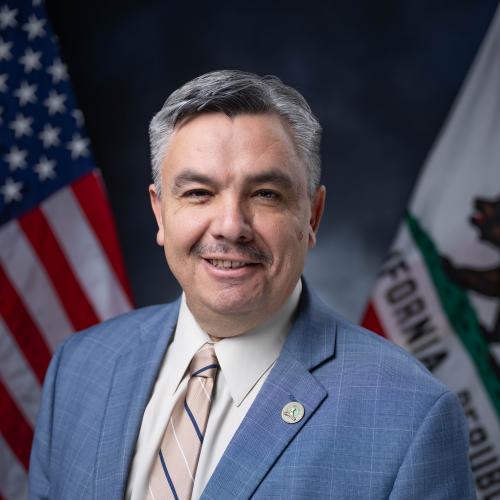
AB 1347 — Electrical modernization zones (Carrillo) — Bill summary
Status and timeline
- Introduced: February 21, 2025 (author: Assemblymember Carrillo).
- Most recent status: In committee — set for first hearing; hearing canceled at request of author (4/30/2025). Committee activity includes amendments and re‑referrals (see legislative actions: 2/21/25–4/30/25).
Purpose and intent
- Establish a program to identify up to six "electrical infrastructure modernization zones" in California (including the high desert area and the unincorporated area of Altadena, Los Angeles County) to accelerate safe, reliable electrification and infrastructure upgrades in high‑growth, underserved locations.
- Signal legislative intent to pursue follow‑on legislation and interagency implementation to meet electricity needs of high‑growth economic areas.
Key provisions
- Zone identification: The Governor’s Office of Business and Economic Development (GO‑Biz), in conjunction with the California Independent System Operator (ISO), must identify six zones using at least these indicators:
- need for increased local economic development;
- lack of electrical infrastructure and delays in electrification;
- projected local load growth; and
- need to build infrastructure with minimal ratepayer impact.
- Required inclusions: The six zones must include (1) the "high desert area" (as defined by GO‑Biz and the ISO) and (2) Altadena (unincorporated Los Angeles County).
- Regulatory recognition: The California Public Utilities Commission (PUC) and the State Energy Resources Conservation and Development Commission (Energy Commission) must recognize designated zones as "load growth priority areas."
- Utility authorities and flexibilities for zone customers:
- An electrical corporation serving customers in a zone may work with the local jurisdiction to update electrical load projections.
- The PUC must authorize utilities serving zone customers to (a) expedite cost recovery pursuant to subdivision (a) of Pub. Util. Code §937 and (b) manage microgrids (with local jurisdiction approval).
- For microgrids not interconnected to the grid, the utility may collect a fixed charge from microgrid customers.
- If the utility cannot manage the microgrid, a customer may contract with a third‑party microgrid provider for up to 10 years, with a one‑time 10‑year renewal.
Who is affected
- Local jurisdictions in designated zones (municipalities, counties, especially Altadena and high desert communities).
- Electrical corporations (investor‑owned utilities and other regulated utilities serving customers in zones).
- Customers in zones (including developers, businesses, residents) — potential for faster interconnections, access to microgrids, and changes in cost allocation (fixed charges, expedited cost recovery).
- Microgrid providers (contracts of up to 10+10 years).
- State agencies (GO‑Biz, ISO, PUC, Energy Commission, and referenced Department of Fish and Wildlife for future implementation).
Fiscal and legal considerations
- The bill notes that implementing PUC requirements can raise enforcement penalties under existing law (violations of PUC orders are criminal). The bill includes a standard statement asserting no state reimbursement to local agencies under Article XIII B, Section 6, on the basis asserted in the text. It also declares a special statute is necessary for Altadena due to unique infrastructure demand.
Potential impacts and considerations
- Could speed infrastructure investments and microgrid deployment in targeted high‑growth or underserved areas.
- Expedited cost recovery could accelerate utility spending but raises questions about ratepayer impacts and the criteria for “minimum impact on ratepayers.”
- Allowing utilities to manage microgrids or for customers to enter long‑term provider contracts creates operational, procurement, and oversight considerations for regulators and local governments.
- The statutory special treatment for Altadena is explicit; other zones are to be chosen by GO‑Biz/ISO.
Next steps
- Further hearings and amendments likely (author requested cancellation of the scheduled hearing). Future action will depend on committee votes and any subsequent amendments or follow‑on legislation mentioned in the bill.