

WeVote

Bill

Bill

SB 120

Elections: voting procedures; process for voting without identification for election purposes; modify to include proof of identity and proof of state residency. Amends secs. 523, 523a, 813 & 829 of 1954 PA 116 (MCL 168.523 et seq.).

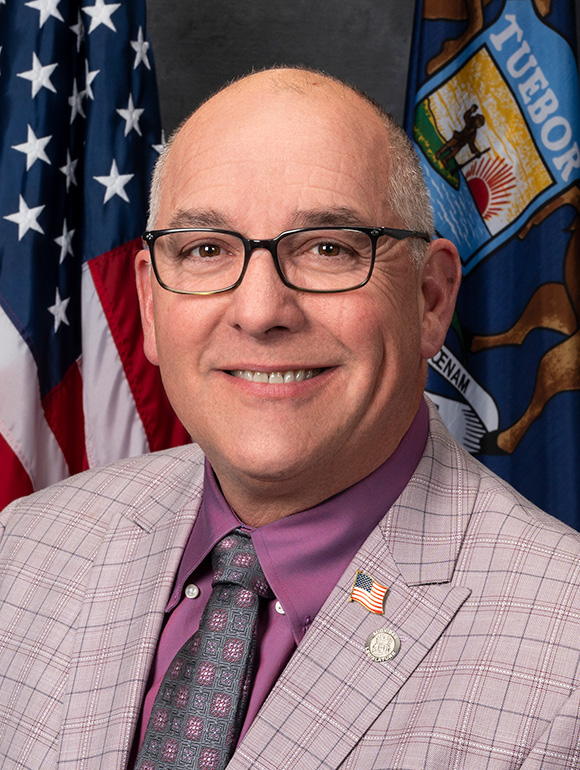
2025-2026 Regular Session Introduced by Joe Bellino and 3 co-sponsors

SB 120 requires Michigan voters to show proof of identity and state residency when voting without identification, tightening existing voting procedure requirements.

REFERRED TO COMMITTEE ON ELECTIONS AND ETHICS
0
WeVote Research Nonpartisan
Bill Summary · SB 120

Legislative bill overview

SB 120 modifies Michigan's voting procedures by amending existing election law to require voters to provide proof of identity and proof of state residency when voting without identification. The bill specifically revises sections of the 1954 Michigan Election Law governing voting procedures and voter eligibility verification.

Why is this important

Voter identification requirements directly affect election access and security—two often competing priorities. This change would impact how Michigan administers elections, potentially altering who can vote and under what circumstances, while proponents argue it enhances election integrity and opponents worry it may create barriers to eligible voters.

Potential points of contention

  • Defining "proof": The bill doesn't specify what documents constitute acceptable proof of identity and residency, leaving implementation details uncertain and potentially subject to significant interpretation
  • Disproportionate impact: Voter ID requirements historically affect specific populations differently (elderly, low-income, minority, and homeless voters may face greater barriers obtaining required documents)
  • Existing Michigan law: Michigan currently allows voting without photo ID under certain circumstances; this reverses that approach and the practical implications for current voter rolls and procedures are unclear

Compiled from official sources — confirm details with the bill’s official record.

Sign in to ask a question.