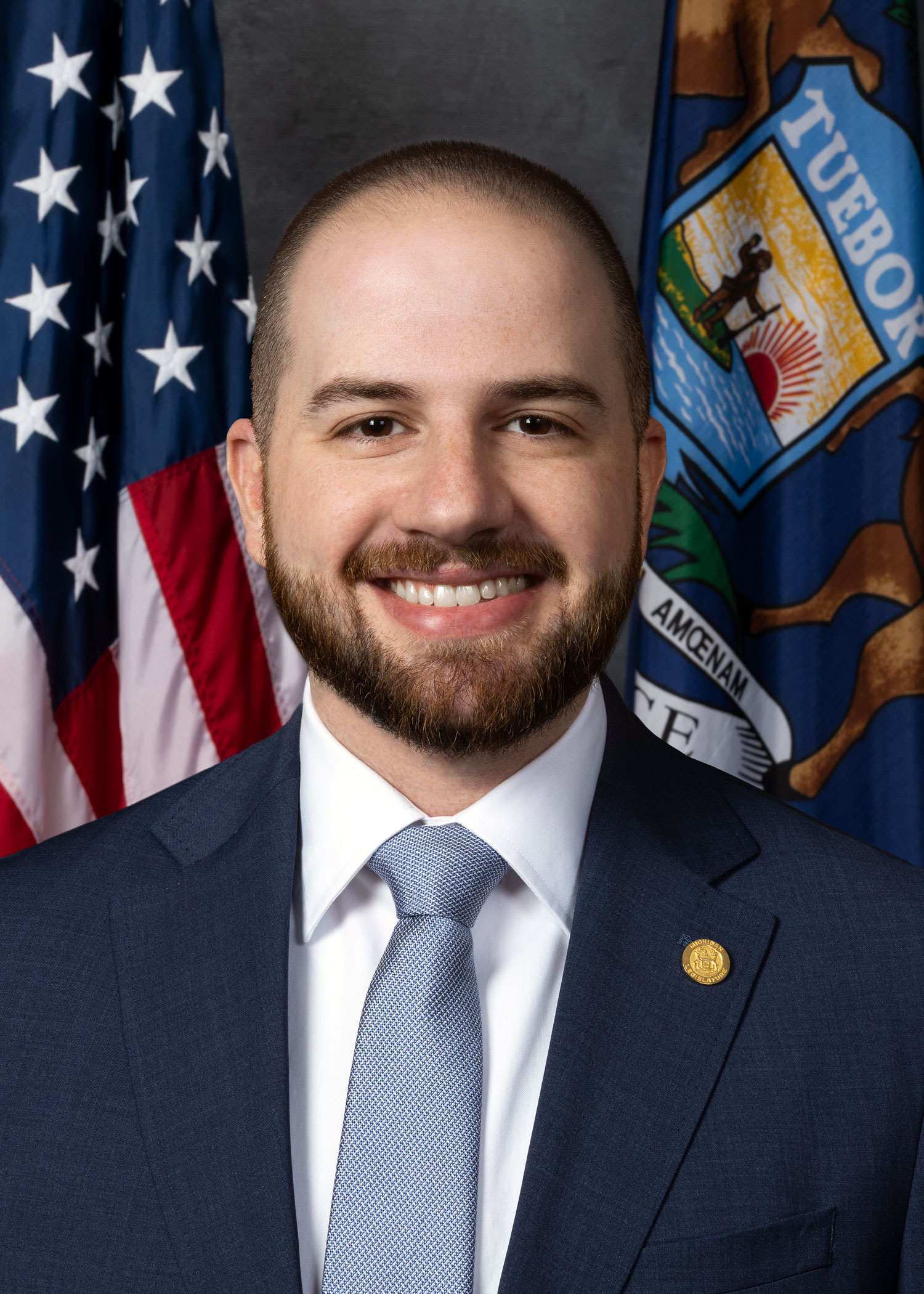
SB 1108 — Summary (Petition circulator compensation; require hourly pay)
Status / Timing
- Sponsor: Sen. Jeremy Moss (Senate versions); companion HB(s) exist.
- Introduced in Senate: Nov. 13, 2024 (Substitute language adopted). Passed the Senate (Substitute S‑3) on Dec. 11, 2024. Referred to Committee on Elections (next procedural step for further consideration).
- Statutory target: Amendments to the Michigan Election Law (1954 PA 116, MCL 168.1 et seq.). Proposed new sections cited in various drafts: MCL 168.483b, 168.544g, 168.590i, and 168.957a.
Purpose and intent
- To remove a payment incentive that critics say encourages signature fraud or misrepresentation by petition circulators. The bill prohibits paying circulators a fixed amount per signature or per completed signature sheet and instead requires hourly compensation for paid circulators.
Key provisions
- Prohibition on per-signature (and per‑sheet) pay:
- An individual employed to circulate (collect) signatures for petitions, nominating petitions, qualifying petitions, or recall petitions may not be paid a fixed rate or amount tied to each petition signature collected or each completed petition signature sheet.
- Hourly pay requirement:
- If a circulator is paid, compensation must be on an hourly basis for time worked.
- Scope:
- The ban and hourly-pay requirement are applied in substitute drafts to multiple petition contexts: general initiative/referendum petitions (sec. 482), nominating petitions, qualifying petitions for unaffiliated candidates, and recall petitions (proposed new sections referenced above in the Michigan Election Law).
- Relation to other bills:
- SB 1108 was considered alongside companion measures (SB 1109 and SB 1110) that address circulator conduct and petition form/validation rules (e.g., requiring circulators to read the petition summary, changing signature‑counting rules, and standardizing petition forms).
Who is affected
- Petition circulators (paid workers) — prohibition on per-signature pay and requirement to be paid hourly.
- Petition sponsors, campaigns, political committees, and signature-gathering vendors — operational and payroll practices must change; potential increase in labor costs or administrative complexity.
- Candidates, ballot initiative sponsors, and recall organizers — potential effects on signature‑gathering strategies, vendor contracts, and overall cost/timing of signature drives.
- Election officials and the Board of State Canvassers — may interact with companion bills changing petition forms and validation procedures.
Enforcement, penalties, and fiscal impact
- SB 1108 text focuses on compensation requirements; enforcement mechanisms and penalties are not detailed in the core provision (other related bills in the package address compliance and penalties for circulator misconduct).
- Nonpartisan fiscal analyses attached to the package indicate no fiscal impact on state or local government; however, sponsors and petitioning groups may incur higher costs to comply (hourly wages, payroll tracking).
Rationale / Context
- Supporters cite the 2022 Michigan nominating petition controversy (large numbers of fraudulent signatures) as motivating the change — the bill aims to reduce incentives for misconduct by removing per‑signature pay and encouraging accountable, documented work hours.
- Potential tradeoffs include higher costs for petition campaigns and possible reductions in the pool of paid circulators or shifts to volunteer-driven collection.