

WeVote

Bill

Bill

SB 73

Election Law - Polling Place Procedures - Voting by Elderly Voters and Voters With Disabilities (Accessible and Expedited Voting Act of Maryland)

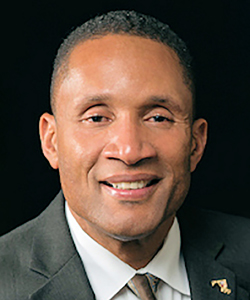
2026 Regular Session Introduced by Arthur Ellis

Maryland bill expedites voting for elderly and disabled voters through streamlined polling procedures to reduce wait times and accessibility barriers.

Hearing 2/11 at 1:00 p.m.
0
WeVote Research Nonpartisan
Bill Summary · SB 73

Legislative bill overview

SB 73 modifies Maryland's polling place procedures to provide accessible and expedited voting options for elderly voters and voters with disabilities. The bill establishes streamlined processes to reduce wait times and physical barriers for these voter populations while casting ballots.

Why is this important

Elderly voters and those with disabilities often face significant challenges voting due to mobility limitations, stamina constraints, and accessibility barriers at polling locations. Expedited voting procedures can increase voter participation among these groups while reducing the burden of exercising their voting rights, which directly affects electoral representation and democratic access.

Potential points of contention

  • Implementation costs: Local election boards may require funding for additional staffing, training, and facility modifications to accommodate expedited voting procedures
  • Voter queue equity concerns: Prioritizing some voters raises questions about fairness to other voters who must wait longer, and whether this approach properly distinguishes between accessibility needs and convenience preferences
  • Definition and verification challenges: Determining who qualifies as "elderly" or having a "disability" requiring expedited access, and how poll workers will verify eligibility without creating burdensome documentation requirements or privacy concerns

Compiled from official sources — confirm details with the bill’s official record.

Sign in to ask a question.