

WeVote

Bill

Bill

HCR 102

ELDERLY: Continues the Senior Task Force on Fraud Prevention

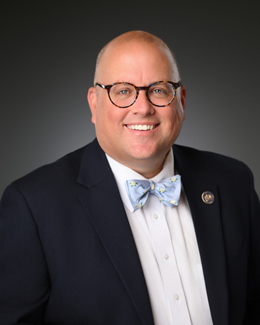
2026 Regular Session Introduced by Kim Carver and 1 co-sponsor

Louisiana extends the Senior Task Force on Fraud Prevention to study, coordinate, and recommend protections against fraud targeting elderly residents.

Taken by the Clerk of the House and presented to the Secretary of State in accordance with the Rules of the House.
0
WeVote Research Nonpartisan
Bill Summary · HCR 102

Summary of Bill: HCR 102 (Louisiana, 2026)

Purpose and intent

  • HCR 102 seeks to continue the Louisiana Senior Task Force on Fraud Prevention. The resolution aims to extend the existence or continuation of the task force to address fraud affecting elderly residents, with the goal of coordinating efforts, identifying schemes, and recommending policy or programmatic responses to safeguard seniors.

Key provisions and changes

  • Continuation of the Senior Task Force on Fraud Prevention: Establishes or maintains a formal body focused on fraud prevention targeting older adults.
  • Scope of work (implied): The task force is expected to study, monitor, and develop recommendations related to fraud schemes against seniors, including prevention strategies, awareness campaigns, reporting mechanisms, and potential legislative or administrative remedies.
  • Coordination and collaboration: Likely requires cooperation among state agencies, law enforcement, district attorneys, aging services, consumer protection, and other stakeholders to share information and implement preventive measures.
  • Reporting and accountability: The resolution typically would mandate periodic reporting to the legislature on findings, recommendations, and progress, though specific reporting timelines are not stated in the action history.

Who or what would be affected

  • Elderly residents of Louisiana: Beneficiaries of enhanced protections against fraud and improved resources for reporting and prevention.
  • State agencies and officials: Agencies involved in aging, consumer protection, law enforcement, and related public safety and welfare programs would participate in the task force’s work.
  • General public and stakeholders: Advocacy groups, community organizations, and professionals serving seniors would engage in discussions and implement recommendations.

Procedural and timeline aspects

  • Action history indicates: Read by title and referred to the Committee on Administration of Criminal Justice on May 7, 2026.
  • Next steps (typical for a house resolution): The committee would consider adoption, possibly amend or forward the resolution to the full chamber for floor consideration. If approved, the resolution would authorize ongoing work by the task force and may set expectations for final reporting or deliverables to the legislature.

Potential impact and considerations

  • Continued focus on elder fraud can lead to:
    • Enhanced public awareness and education for seniors and caregivers.
    • Improved reporting channels and collaboration among agencies.
    • Policy recommendations aimed at preventing fraud, protecting assets, and strengthening enforcement or consumer protections.
  • The actual substantive impact depends on subsequent actions by the committee and legislature, including whether the resolution includes specific timelines, funding, or mandated deliverables for the task force.

If you’d like, I can adapt this summary to emphasize particular aspects (e.g., expected budget implications, specific agencies involved, or potential reporting deadlines) once more detailed language is publicly available.

Compiled from official sources — confirm details with the bill’s official record.

Sign in to ask a question.