

WeVote

Bill

Bill

HR 8952

Elder Pride Act of 2026

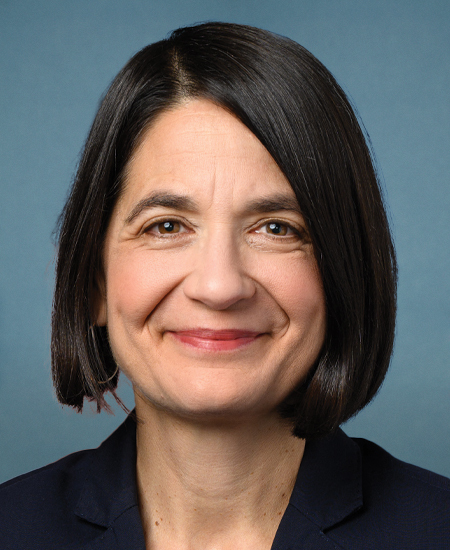
119th Congress Introduced by Becca Balint and 10 co-sponsors

Creates a Rural Outreach Grant Program under the Older Americans Act to fund partnerships, inclusion, and sexual health services for LGBTQI and other protected-class older adults i

Introduced in House
0
WeVote Research Nonpartisan
Bill Summary · HR 8952

Overview

  • Bill: HR 8952
  • Session: 119th Congress, 2nd Session
  • Title: Elder Pride Act of 2026
  • Purpose: Amend the Older Americans Act of 1965 to establish a LGBTQI rural outreach grant program and authorize funding for that purpose.

Main purpose and intent

  • Create a dedicated Rural Outreach Grant Program under the Older Americans Act to improve services and inclusion for LGBTQI older adults and other protected-class individuals in rural areas.
  • Support comprehensive sexual health services and reduce isolation by fostering partnerships between rural communities and eligible entities serving older adults, including LGBTQI individuals.

Key provisions and changes

  • Section added: New Sec. 423, Rural Outreach Grant Program (within Part A of title IV of the Older Americans Act).
  • Eligible entities (definitions):
    • States
    • Indian Tribes or Tribal organizations
    • Agencies, nonprofit organizations, or institutions that:
    • Serve older individuals, LGBTQI individuals, older LGBTQI individuals, or other protected-class groups, or
    • Provide sexual health services to all older individuals (including HIV-related services)
    • May include area agencies on aging for rural areas or multipurpose senior centers.
  • Definitions:
    • LGBTQI includes lesbian, gay, bisexual, transgender, queer, or intersex individuals.
    • Protected class: groups protected from discrimination.
    • Rural Area: not designated as an urbanized area or urban cluster by the Census Bureau.
  • Grant authority and purpose (subsection (b)):
    • Grants to eligible entities to:
    • Build cooperative, lasting partnerships between rural LGBTQI older individuals (or protected-class individuals) and the grant recipient
    • Meet the needs of those individuals
    • Provide comprehensive sexual health services to all older individuals in rural areas
  • Applicability and application process (subsection (c)):
    • Eligible entities apply to the Assistant Secretary with details such as:
    • Proposed activities
    • Population size/characteristics in the rural area
    • Public/private resources available
    • Intent to partner with local rural organizations
    • Evidence that activities meet urgent unmet needs
    • Other information the Assistant Secretary deems necessary
  • Authorized uses of funds (subsection (d)):
    • Activities may include:
    • Education and training for LGBTQI older individuals in rural areas
    • Reducing isolation and improving access to care by building community ties
    • Fostering relationships between local service providers and LGBTQI older individuals
    • Increasing cultural competency among organizations and personnel serving rural older adults
    • Expanding nondiscrimination policies and creating inclusive community spaces
    • Providing sexual health services (including HIV-related services) to rural older individuals
  • Non-supplanting requirement (subsection (e)):
    • Grants must supplement, not replace, existing state/local funding for related LGBTQI services.
  • Standards and flexibility (subsection (f)):
    • The Assistant Secretary will establish standards/guidelines but allow refinements/adaptations for local circumstances.
  • Coordination and prioritization (subsection (g)):
    • Recipients must coordinate with:
    • State and local government agencies serving LGBTQI older adults
    • Other public/private organizations providing related services
    • Prioritize coordination with entities serving those with greatest social need.
  • Reporting (subsection (h)):
    • Reports due to Congress and public by:
    • Within 1 year after the section’s effective date
    • Annually thereafter, covering activities of the prior 2-year period
  • Appropriations (subsection (i)):
    • Authorized funding: $5,000,000 for each of fiscal years 2027 and 2028 for rural outreach grant activities.

Who would be affected

  • Eligible entities that can apply for grants (states, tribes, certain nonprofits, agencies, or institutions focused on older adults, LGBTQI individuals, or sexual health services for older adults).
  • Rural LGBTQI older adults and other older individuals within protected classes who would benefit from improved services, outreach, inclusive spaces, and enhanced sexual health resources.
  • Local service providers and organizations partnering with grant recipients to deliver services.

Procedural and timeline aspects

  • Introduction and referral:
    • Introduced May 21, 2026, by Rep. Bonamici with multiple co-sponsors.
    • Referred to the House Committee on Education and Workforce.
  • Implementation timeline:
    • If enacted, authorized appropriations begin in fiscal years 2027 and 2028, with ongoing reporting requirements thereafter.
    • Initial reporting due within 1 year of the section’s effective date, followed by annual reports.
  • Program operation:
    • Requires coordination with state/local governments and other providers; emphasizes non-supplanting funding and local adaptability of standards.

Bottom line

The Elder Pride Act of 2026 would create a targeted federal grant program to improve access, inclusion, and health services for LGBTQI and other protected-class older adults in rural areas, through partnerships, cultural competency, nondiscrimination enhancements, and expanded sexual health services. It would authorize $5 million annually for 2027 and 2028 and establish a structured application, implementation, and reporting framework.

Compiled from official sources — confirm details with the bill’s official record.

Sign in to ask a question.