

WeVote

Bill

Bill

SB 989

Education: teachers and administrators; interim teaching certification process; modify. Amends sec. 1531i of 1976 PA 451 (MCL 380.1531i).

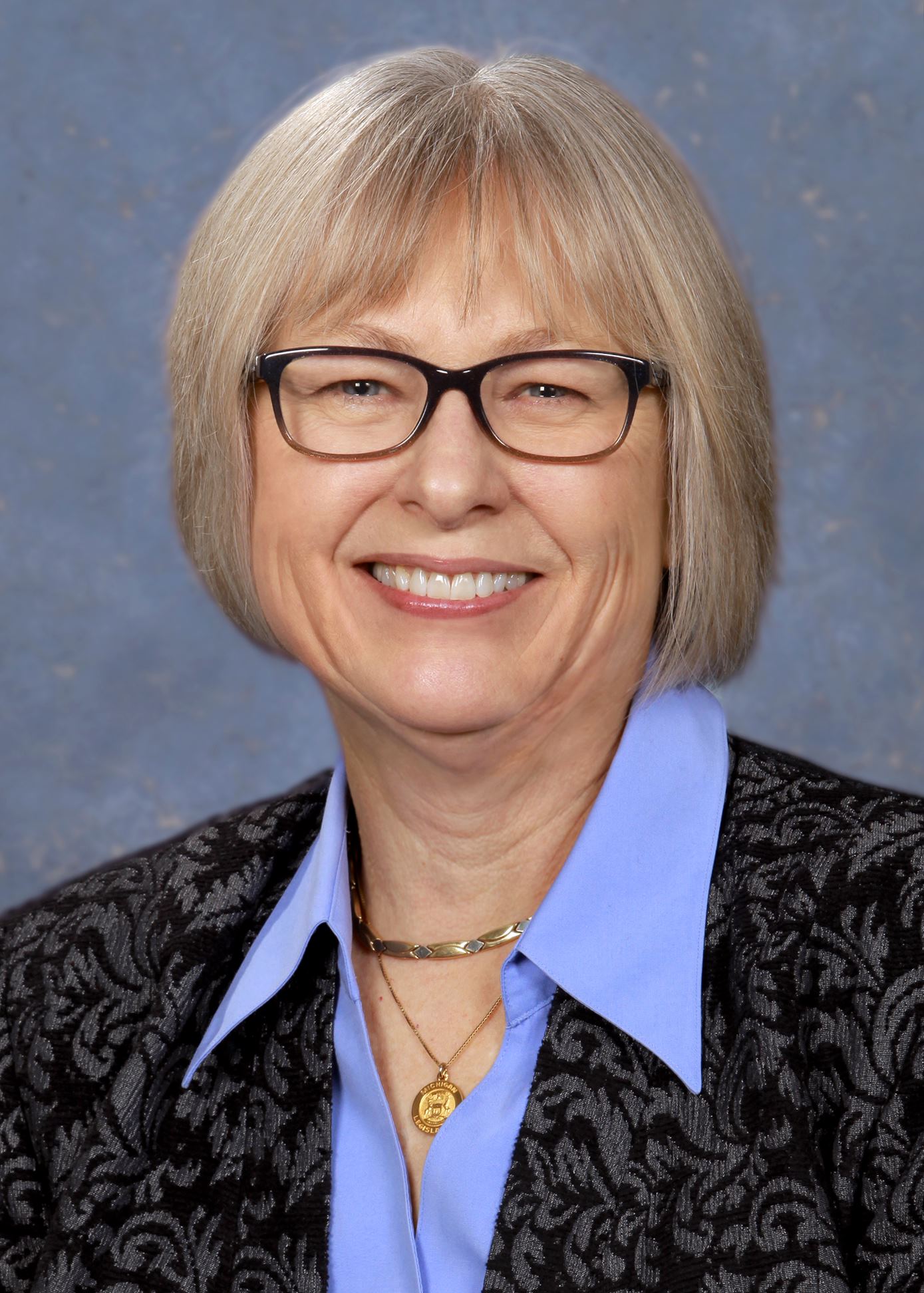
2025-2026 Regular Session Introduced by Rosemary Bayer and 6 co-sponsors

SB 989 would change how interim teaching credentials are issued, renewed, and advanced to full certification for teachers and administrators in Michigan.

ORDERED ENROLLED
0
WeVote Research Nonpartisan
Bill Summary · SB 989

Bill Brief: SB 989 (2025-2026) – Education: Interim Teaching Certification Process

Purpose and intent

SB 989 aims to modify the interim teaching certification process for teachers and school administrators in Michigan. The bill is designed to address how individuals can obtain interim credentials and move toward full certification, with potential implications for staffing, teacher preparation, and administrative leadership pipelines. The exact language would amend section 1531i of 1976 PA 451 (MCL 380.1531i).

Key provisions and changes (as indicated by bill title and status)

  • Interim teaching certifications: The primary focus is on altering the rules, timelines, requirements, or conditions under which individuals may receive interim teaching credentials. This could affect eligibility criteria, duration of interim certificates, renewal provisions, and activities required to advance to full certification.
  • Education workforce implications: By modifying the interim pathway, the bill may influence how school districts recruit and place teachers and administrators who are in the process of becoming fully certified.
  • Administrative leadership: Since the bill mentions administrators alongside teachers, the changes may also apply to interim credentials or qualifications for administrative roles (e.g., principals, supervisors) within the certification framework.

Note: The exact textual changes (statutory language) are not provided here. The summary below reflects typical elements such bills address and the implications of modifying interim certification processes.

Who would be affected

  • Prospective and current teachers seeking interim certification who are in the process of meeting full credential requirements.
  • School districts and charter schools that rely on interim-certified educators to fill instructional positions.
  • School administrators or candidates pursuing interim credentials for administrative roles.
  • Certification bodies/department of education responsible for issuing and monitoring interim credentials and progression to full certification.

Timeline and procedural notes

  • Introduction and referral: SB 989 was introduced on May 20, 2026, by Senator Dayna Polehanki and referred to the Senate Committee on Education.
  • Sponsorship: The bill has multiple co-sponsors, signaling bipartisan or cross-branch interest among legislators.
  • Next steps: The committee will review, hold hearings, and potentially amend the bill. If advanced, it would move through the legislative process toward approval by both chambers and the governor.

Potential impacts and considerations

  • Teacher supply and retention: A streamlined or clarified interim certification path could help districts fill vacancies more quickly but may raise questions about classroom readiness and support for interim educators.
  • Quality and accountability: Changes may include requirements for supervision, mentoring, or performance benchmarks to ensure interim-certified professionals meet competency standards.
  • Administrative capacity: With changes affecting administrators, districts may need to adjust professional development, evaluation, and credentialing processes for leaders in training.

Summary

SB 989 seeks to modify Michigan's interim teaching certification framework (section 1531i of the Education Code) to alter how interim credentials are issued, renewed, or advanced to full certification for teachers and administrators. The bill was introduced on May 20, 2026, and assigned to the Senate Education Committee, with several co-sponsors. The substance will become clearer with committee analysis, including specifics on eligibility, duration, required activities, and any new safeguards or accountability measures.

Compiled from official sources — confirm details with the bill’s official record.

Sign in to ask a question.