

WeVote

Bill

Bill

HB 442

Education; students shall not be counted absent from school due to performing in certain productions; provisions

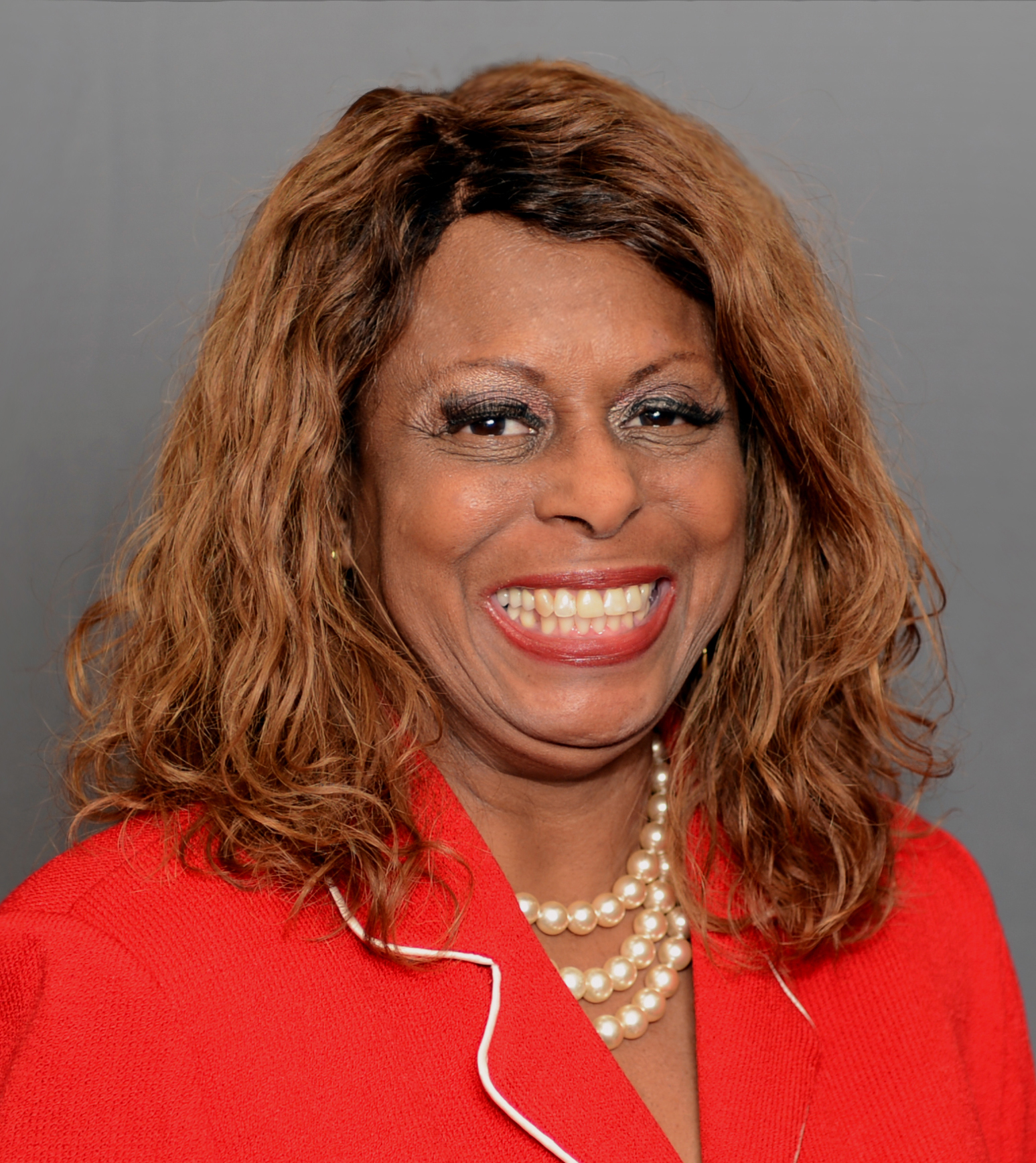
2025-2026 Regular Session Introduced by Rhonda Burnough and 4 co-sponsors

House Bill 442 allows student performers in Georgia to be counted present for up to 25 school days, ensuring their participation in productions doesn't affect attendance records.

House Withdrawn, Recommitted
0
WeVote Research Nonpartisan
Bill Summary · HB 442

Summary of House Bill 442

Bill Number: HB 442
Title: Education; students shall not be counted absent from school due to performing in certain productions; provisions
Status: House Withdrawn, Recommitted
Introduced: February 13, 2025
Classification: Bill

Purpose and Intent

House Bill 442 aims to amend Georgia's compulsory attendance laws to ensure that students who perform in certain productions are not penalized for their absence from school. The bill recognizes the educational value of performance arts and seeks to provide a framework that allows student performers to participate in productions without jeopardizing their school attendance records.

Key Provisions

  1. Absence Policy for Student Performers:

    • Students engaged in performances may be credited as present for up to 25 school days. They will not be counted as absent (either excused or unexcused) during these days if they are performing.
  2. Performance Certification:

    • A performance certification form must be completed by the student performer’s parent or guardian and the designated child labor coordinator or studio teacher. This form will outline the curriculum and content standards that align with the instruction provided to the student during their absence.
  3. Role of Studio Teachers:

    • Studio teachers, certified by the Department of Labor, will provide instruction and related services to student performers. They must ensure that the education provided aligns with the standards of the student’s home school.
  4. Communication and Authorization:

    • Parents or guardians must authorize communication between studio teachers and school personnel regarding the student’s educational records, ensuring compliance with the Family Educational Rights and Privacy Act (FERPA).
  5. Definitions:

    • The bill defines key terms such as "student performer," "employing unit," and "studio teacher," clarifying who is covered under this legislation.

Who Would Be Affected?

  • Student Performers: Individuals under 18 years old enrolled in public pre-kindergarten, elementary, or secondary schools in Georgia, as well as those over 18 who are still enrolled in secondary school.
  • Employing Units: Organizations or individuals that hire student performers for productions.
  • Parents and Guardians: They will play a crucial role in authorizing educational communications and completing performance certification forms.
  • Educational Institutions: Schools will need to adapt to accommodate the attendance policies outlined in the bill.

Procedural Aspects

  • The bill was introduced on February 13, 2025, and has undergone several legislative actions:
    • February 18, 2025: First Readers in the House
    • February 19, 2025: Second Readers in the House
    • March 6, 2025: Favorably reported by the House Committee
    • April 4, 2025: Withdrawn and recommitted for further consideration

Conclusion

House Bill 442 seeks to balance the educational needs of student performers with their participation in public productions. By allowing these students to maintain their attendance records while performing, the bill promotes the arts and recognizes their importance in a well-rounded education. Further discussions and revisions may follow as the bill progresses through the legislative process.

Compiled from official sources — confirm details with the bill’s official record.

Sign in to ask a question.