

WeVote

Bill

Bill

SF 1007

Education Savings Accounts for Minnesota Students Act (ESA-4-MSA) establishment provision

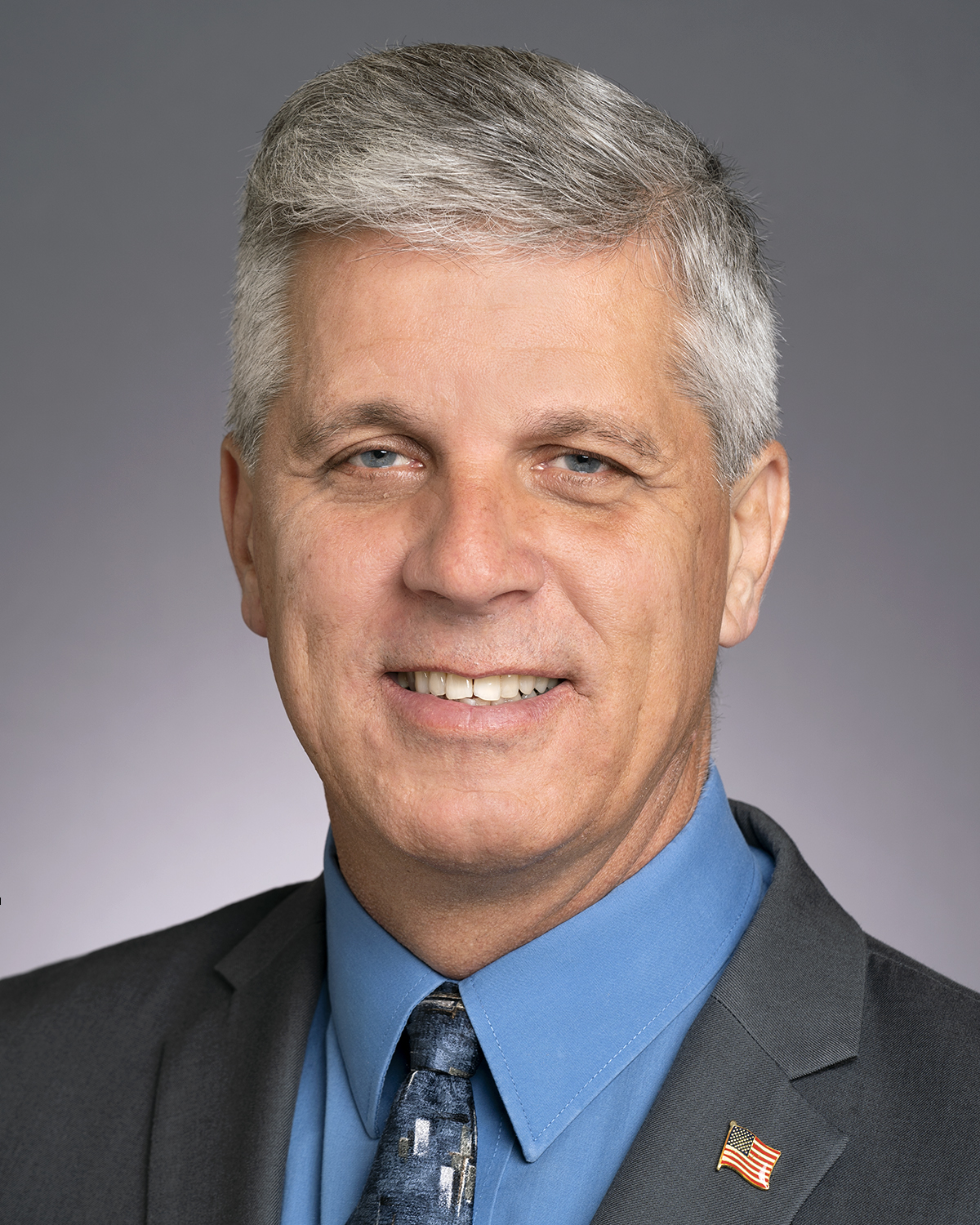
2025-2026 Regular Session Introduced by Steve Drazkowski and 3 co-sponsors

Minnesota bill establishing Education Savings Accounts that redirect per-pupil state education funding to individual student accounts for flexible educational spending across private, homeschool, and alternative providers.

Author stricken Eichorn
0
WeVote Research Nonpartisan
Bill Summary · SF 1007

Legislative bill overview

SF 1007 proposes to establish Education Savings Accounts (ESAs) in Minnesota, allowing families to receive state education funding in individual accounts that can be used for a variety of educational expenses rather than traditional public school attendance. The bill would create a new funding mechanism where per-pupil education dollars follow students to their chosen educational providers, including private schools, homeschooling, tutoring, and other approved services.

Why is this important

ESAs represent a significant shift in how education funding flows in Minnesota—moving from institution-based (school districts) to student-based funding. This affects how families access education options, how school districts plan budgets, and fundamentally changes the relationship between public funding and educational choice. The policy has substantial fiscal implications for state education budgets and district revenue structures.

Potential points of contention

  • Equity concerns: Critics worry ESAs may disadvantage students in rural areas with limited private alternatives, lower-income families who lack transportation for non-traditional options, and students with significant special education needs
  • Funding impacts: School district budgets depend on enrollment-based funding; widespread ESA adoption could reduce revenue for districts serving remaining students, potentially increasing per-pupil costs for public schools
  • Accountability and oversight: Questions about how educational quality and student progress are monitored across diverse non-traditional providers receiving public funds, and whether current accountability measures apply equally

Compiled from official sources — confirm details with the bill’s official record.

Sign in to ask a question.