

WeVote

Bill

Bill

SB 71

Education - Interjurisdictional Safe Pathways Commission - Establishment

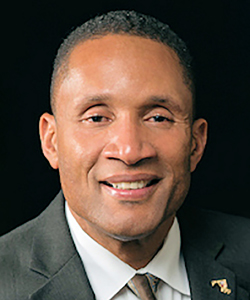
2026 Regular Session Introduced by Arthur Ellis

SB 71 creates a Maryland commission to coordinate safe school routes across county and municipal boundaries, improving student transportation safety through unified policy development.

Hearing 2/04 at 2:00 p.m.
0
WeVote Research Nonpartisan
Bill Summary · SB 71

Legislative bill overview

SB 71 establishes an Interjurisdictional Safe Pathways Commission in Maryland to coordinate safe routes to school across municipal and county boundaries. The commission would bring together education, transportation, and local government officials to develop policies and best practices for student safety during school transit. The bill aims to address fragmented safety efforts by creating a unified framework for jurisdictions to collaborate on pedestrian and cyclist safety near schools.

Why is this important

Student safety during commutes to and from school is a documented public health concern, with pedestrian and bicycle injuries among school-age children remaining a significant issue. By establishing cross-jurisdictional coordination, the commission could reduce duplicative efforts and fill gaps in safety coverage, particularly in areas where school district boundaries don't align with municipal lines. Improved safe pathways may also increase walking and biking to school, with potential benefits for student health and reduced traffic congestion.

Potential points of contention

  • Funding mechanism unclear – The bill's fiscal impact and whether it requires new appropriations or redirects existing resources remains undefined, which could affect local government buy-in and implementation capacity
  • Authority and enforcement – The extent to which commission recommendations are binding versus advisory on local jurisdictions is not detailed, raising questions about actual impact on safety improvements
  • Scope and feasibility – Coordinating across multiple jurisdictions with different budgets, priorities, and infrastructure conditions may prove administratively complex and slow to produce results

Compiled from official sources — confirm details with the bill’s official record.

Sign in to ask a question.