

WeVote

Bill

Bill

HB 12

Education; grants; revise definition of qualified local school system

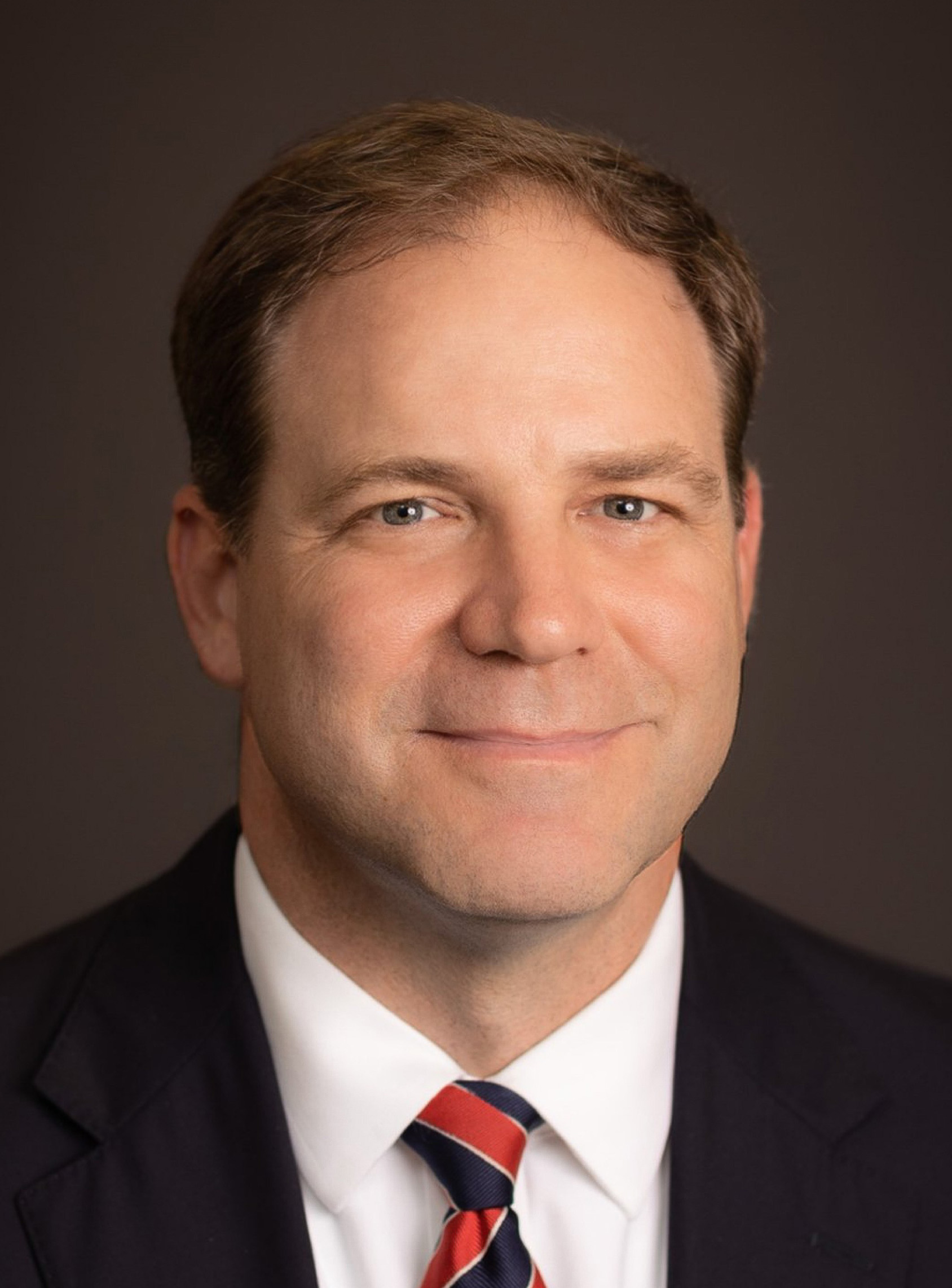
2025-2026 Regular Session Introduced by Chas Cannon and 5 co-sponsors

HB 12 protects individuals from discrimination in employment, healthcare, and public spaces for refusing vaccines or masks due to personal beliefs, ensuring their rights are upheld.

House Withdrawn, Recommitted
0
WeVote Research Nonpartisan
Bill Summary · HB 12

Summary of HB 12 - Alabama Conscientious Right to Refuse Act

Bill Number: HB 12
Introduced: June 25, 2025
Status: Read for the first time and referred to the House Committee on Judiciary (January 13, 2026)
Subject: Health

Purpose and Intent

HB 12, titled the Alabama Conscientious Right to Refuse Act, aims to protect individuals from discrimination based on their refusal to accept certain immunizations, drugs, or facial coverings for reasons of conscience, including religious beliefs. The bill seeks to establish legal protections for individuals in various contexts, including employment, public accommodations, and healthcare.

Key Provisions

The bill includes several significant provisions:

  1. Employment Protections:

    • Employers and prospective employers are prohibited from discriminating against individuals based on their refusal of biologics, vaccines, or facial coverings for reasons of conscience.
    • Discrimination includes actions such as discharge, refusal to hire, demotion, or any adverse employment action.
  2. Public Accommodations:

    • Places of public accommodation cannot discriminate against individuals based on their immunization status or refusal to wear a facial covering.
    • This includes ensuring full and equal access to goods, services, and facilities.
  3. Healthcare and Insurance:

    • Hospitals and health plan insurers are barred from discriminating against individuals based on their immunization status or refusal of certain drugs or vaccines, with the exception of surgical masks during medical procedures.
  4. Occupational Licensing:

    • Occupational licensing boards cannot deny or revoke licenses based on an individual's immunization status.
  5. Legal Recourse:

    • Individuals who experience discrimination can seek a preliminary or permanent injunction in court and may be awarded attorney fees and costs if they prevail.
    • The Attorney General is authorized to enforce the provisions of the bill and can defend entities facing federal penalties related to compliance with this act.

Impact

  • Affected Parties:

    • The bill impacts employers, prospective employers, places of public accommodation, hospitals, health insurers, and occupational licensing boards.
    • Individuals who refuse certain immunizations or facial coverings for reasons of conscience will have enhanced protections against discrimination.
  • Legal Framework:

    • The bill establishes a civil cause of action for violations, allowing individuals to seek remedies through the court system.
    • The Attorney General's role in defending entities against federal penalties adds a layer of state support for compliance with the bill.

Procedural Aspects

  • The bill was introduced on June 25, 2025, and has been referred to the House Committee on Judiciary for further consideration.
  • The first reading in the House occurred on January 13, 2026, marking the beginning of its legislative journey.

In summary, HB 12 seeks to create a legal framework that protects individuals from discrimination based on their health-related choices, emphasizing the importance of conscience and personal beliefs in health decisions.

Compiled from official sources — confirm details with the bill’s official record.

Sign in to ask a question.