

WeVote

Bill

Bill

HR 1350

DOE and NSF Interagency Research Act

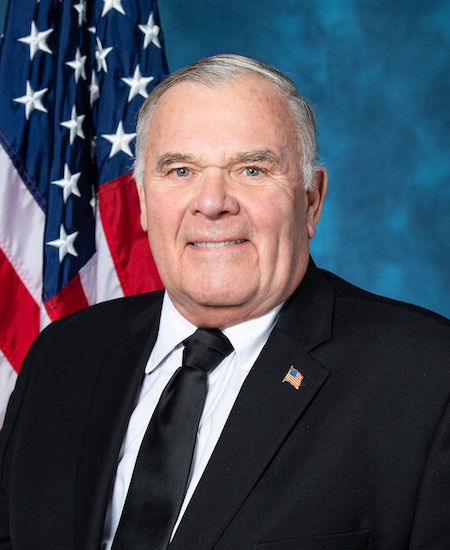
119th Congress Introduced by Jim Baird and 2 co-sponsors

HR 1350 boosts collaboration between the DOE and NSF, enhancing funding and research opportunities for scientists, universities, and industry to drive innovation.

Received in the Senate and Read twice and referred to the Committee on Commerce, Science, and Transportation.
0
WeVote Research Nonpartisan
Bill Summary · HR 1350

Summary of HR 1350: DOE and NSF Interagency Research Act

Purpose and Intent

The DOE and NSF Interagency Research Act (HR 1350) aims to enhance collaboration between the Department of Energy (DOE) and the National Science Foundation (NSF) in order to promote and support scientific research and innovation. The bill seeks to streamline interagency efforts, improve resource allocation, and foster partnerships that can lead to advancements in various scientific fields.

Key Provisions

While the specific text of the bill is not provided, the following key provisions are typically expected in legislation of this nature:

  • Interagency Collaboration: Establish mechanisms for the DOE and NSF to work together on research initiatives, sharing resources and expertise.
  • Funding Opportunities: Create joint funding programs that encourage collaborative research projects between the two agencies.
  • Research Prioritization: Identify priority areas for research that align with national interests, such as energy innovation, climate change, and advanced manufacturing.
  • Reporting Requirements: Mandate regular reporting on the outcomes of collaborative projects to ensure accountability and transparency.

Affected Parties

The bill would primarily impact:

  • Researchers and Scientists: Individuals and teams working in fields supported by both the DOE and NSF would benefit from increased funding and collaborative opportunities.
  • Educational Institutions: Universities and research institutions that partner with these agencies may see enhanced support for their research initiatives.
  • Industry Stakeholders: Companies involved in energy, technology, and scientific research may gain access to new innovations and partnerships.

Legislative Timeline

  • Introduced: February 13, 2025
  • House Actions:
    • Debate and Passage: The bill was debated and passed in the House on March 24, 2025, through a motion to suspend the rules, indicating broad support.
    • Motion to Reconsider: Laid on the table and agreed to without objection on the same day.
  • Senate Actions:
    • Received and Referred: The bill was received in the Senate on March 25, 2025, where it was read twice and referred to the Committee on Commerce, Science, and Transportation for further consideration.

Sponsors

  • Primary Sponsor: Haley M. Stevens
  • Cosponsors: Sarah McBride, James R. Baird

This summary provides an overview of HR 1350, highlighting its purpose, key provisions, affected parties, and legislative timeline. The bill represents a significant step towards enhancing interagency collaboration in scientific research, with the potential to drive innovation and address critical national challenges.

Compiled from official sources — confirm details with the bill’s official record.

Sign in to ask a question.