

WeVote

Bill

Bill

SB 3422

DNR-HEALTHY FORESTS GRANTS

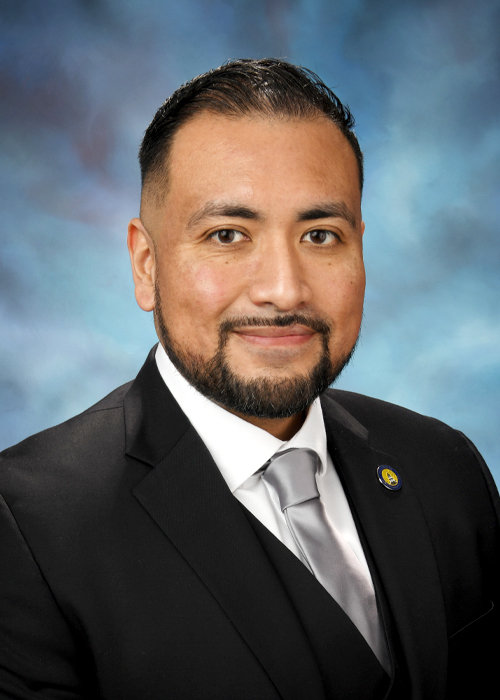
104th Regular Session Introduced by Javier Cervantes and 4 co-sponsors

The bill creates the Healthy Forests, Wetlands, and Prairies Grant Program to fund carbon-sequestration projects by restoring native forests, prairies, and wetlands across eligible

Sent to the Governor
0
WeVote Research Nonpartisan
Bill Summary · SB 3422

Summary: SB 3422 (104th Session, Illinois) – Healthy Forests Grants

Purpose and Intent

  • Establish the Healthy Forests, Wetlands, and Prairies Grant Program within the Department of Natural Resources (DNR) to restore degraded forest lands and native prairies and to promote growth of native vegetation that removes carbon dioxide from the atmosphere, supporting climate change mitigation.

Key Provisions

Program Establishment and Administration

  • DNR, subject to appropriation, will establish and administer the grant program.
  • All grants issued under this Act are cost-share grants and may include in-kind contributions from applicants.
  • Grants may be used as matching funds for federal grants aligned with the Act’s goals.
  • The Department may allocate up to 2% of program funds for administrative costs.
  • Up to 23% of funds may be used for restoration activities aimed at restoring degraded forests, native prairies, and wetlands with the goal of increasing carbon sequestration and climate mitigation.

Eligible Applicants

  • State agencies and units of local government (e.g., municipalities, townships, counties, forest preserves, park districts).
  • Conservation land trusts.
  • Not-for-profit entities with conservation missions (including climate change mitigation, natural lands preservation, etc.).
  • Other entities deemed eligible by the Department based on their missions.

Fund Allocation

  • At least 75% of appropriated monies must be awarded to eligible recipients identified by the Department.
  • The program allows grant funds to be used for:
    • Purchasing and planting native grasses, plants, and trees.
    • Financing projects along roadways, parks, forest preserves, public or private lands to plant native species that absorb carbon.
    • Stewardship of urban forests, prairies, and wetlands (including removal of invasive/non-native species).
    • Shoreline restoration and protection projects on behalf of counties, municipalities, and park districts.
    • Providing funding for regional teams to plant native prairie grasses and trees, conduct prescribed burns, remove invasives, and perform educational outreach.
    • Public outreach and marketing to promote participation in local projects that advance carbon-reducing native vegetation growth.
    • In some cases, funding could support shoreline restoration and protection projects.

Grants Details

  • All grants are cost-share; applicants may contribute in-kind.
  • Grants may be used as matching funds for federal awards aligned with climate/mu tigation goals.
  • Rules will set cost-share requirements, applications timelines, and in-kind contribution specifics.

Administrative and Rulemaking Authority

  • DNR will adopt rules necessary to implement the Act, including:
    • Application submission requirements and timelines for eligible entities.
    • Cost-share amounts and acceptable in-kind contributions.

Eligible Impacts and Beneficiaries

  • Geographic and organizational reach includes state agencies, local governments, land trusts, and other conservation-focused entities.
  • Direct environmental impact: restoration and expansion of native forests, prairies, wetlands, and urban green spaces to increase carbon sequestration and climate resilience.
  • Support for biodiversity through native species planting and invasive species management.
  • Potential economic/financial impact via grant funding, cost-sharing requirements, and public-private partnerships.

Procedural and Timeline Aspects

  • The bill specifies that funding is subject to appropriation; operations depend on annual or multi-year appropriations.
  • The Department will establish administrative rules governing grant applications, cost-sharing, and project timelines.
  • The act references effective dates tied to appropriations (and prior related acts), with amendments to the Healthy Forests Act as of the 2025-2026 period.

Sponsor and Status (as of latest action)

  • Chief House Sponsor: Rep. Daniel Didech
  • Senate Co-Sponsors: Sen. Laura Ellman, Sen. Mike Simmons, Sen. Rachel Ventura
  • Current action: Assigned to Energy & Environment Committee (House side) with recent passage in the Senate and enrollment activities noted; placed in the House for consideration in April 2026.

This summary captures the bill’s aims, funding framework, eligible recipients, qualifying activities, and procedural steps. If you’d like, I can provide a section-by-section comparison with current law or a plain-language FAQ for stakeholders.

Compiled from official sources — confirm details with the bill’s official record.

Sign in to ask a question.