

WeVote

Bill

Bill

SB 1668

disposition; remains; authorization; legal decision-making

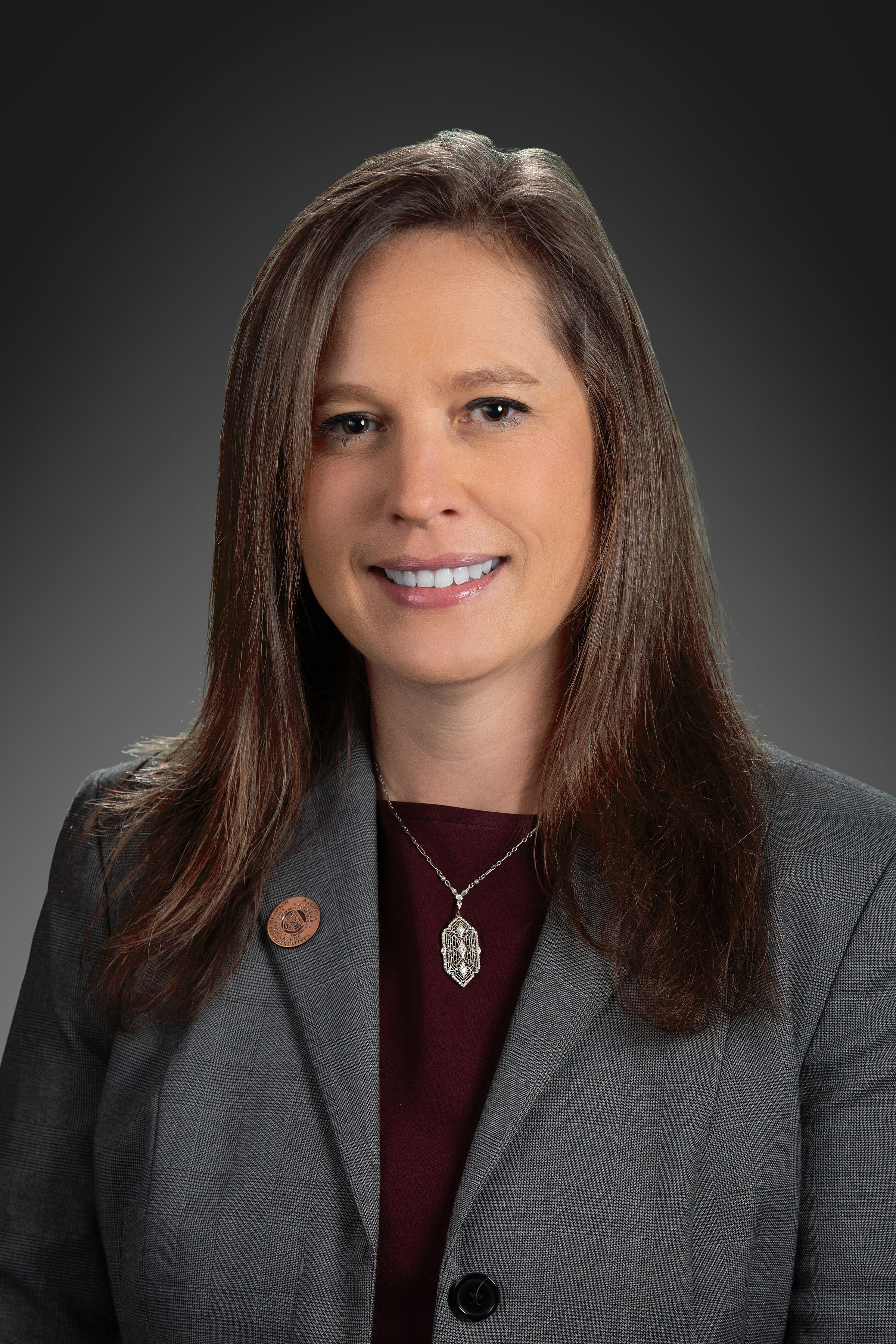
57th Legislature - Second Regular Session Introduced by Shawnna Bolick

SB 1668 permits Arizonans to legally authorize specific individuals to make decisions about their remains disposition after death, expanding control over final arrangements beyond default family hierarchies.

Signed by Governor
0
WeVote Research Nonpartisan
Bill Summary · SB 1668

Legislative bill overview

SB 1668 expands legal decision-making authority regarding the disposition of human remains by allowing individuals to authorize others to make such decisions after death. The bill modifies Arizona's existing laws on who can make decisions about cremation, burial, and other final arrangements, potentially allowing for more flexible designation of decision-makers beyond traditional family hierarchies.

Why is this important

As Arizona's population becomes more diverse and family structures evolve, statutory authority over remains disposition affects thousands of Arizonans annually. This bill addresses practical scenarios where individuals may prefer non-relatives or have estranged family relationships, but the specific scope of authorized decision-makers significantly impacts who holds this authority and potential disputes over final wishes.

Potential points of contention

  • Scope of authorization: Unclear whether the bill allows designation of any individual (friends, unmarried partners, non-relatives) or maintains restrictions based on relationship types, creating ambiguity in implementation
  • Documentation requirements: The bill's specifications regarding what constitutes valid authorization (written document, notarization, witnesses) remain vague and could lead to disputes over legitimacy of designations
  • Conflict resolution: Limited clarity on how competing claims are resolved when multiple parties claim authorization or when designated individuals conflict with surviving family members unwilling to honor the choice

Compiled from official sources — confirm details with the bill’s official record.

Sign in to ask a question.