

WeVote

Bill

Bill

HB 1063

Discriminatory profiling and pretextual stops.

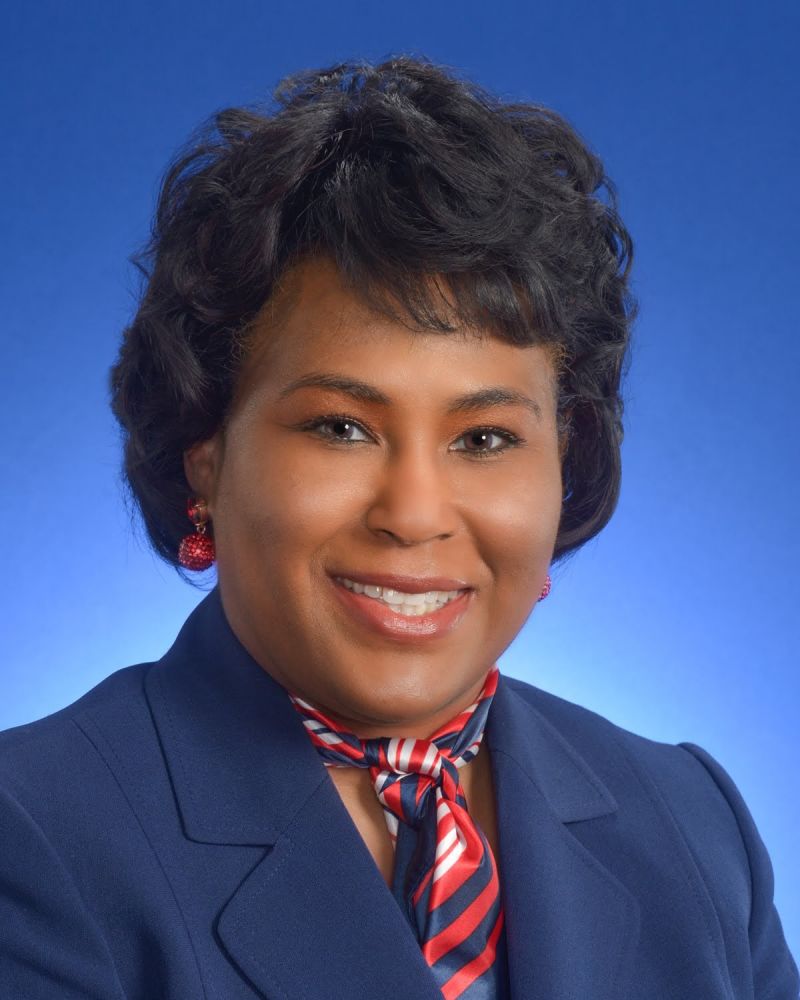
2025 Regular Session Introduced by Cherrish Pryor

HB 1063 restricts law enforcement from making stops based on protected characteristics or discriminatory intent, establishing standards and protections for Indiana residents against profiling-based policing.

Authored by Representative Pryor
0
WeVote Research Nonpartisan
Bill Summary · HB 1063

Legislative bill overview

HB 1063 addresses discriminatory profiling and pretextual stops by law enforcement in Indiana. The bill aims to restrict police practices where stops are made based on protected characteristics or where the stated reason for a stop masks a discriminatory intent. This legislation establishes clearer standards and potential remedies for individuals subjected to such stops.

Why is this important

Discriminatory and pretextual stops disproportionately affect minority communities and undermine public trust in law enforcement. The bill directly impacts policing practices across Indiana and provides legal protections that could reduce racial disparities in traffic enforcement and other police encounters. Clear statutory language on this issue affects both police departments' training protocols and individuals' legal recourse.

Potential points of contention

  • Law enforcement concerns: Police organizations may argue the bill creates ambiguous standards that make enforcement decisions difficult or expose officers to excessive litigation without clear guidance on what constitutes a pretextual stop.
  • Remedies and enforcement mechanisms: Disagreement likely exists over what penalties apply, whether civil lawsuits are permitted, and how complaints are investigated—balancing officer protection with victim recourse.
  • Definition precision: The bill's success depends on how precisely "discriminatory profiling" and "pretextual stops" are defined; overly broad definitions may chill legitimate enforcement, while narrow ones may render protections ineffective.

Compiled from official sources — confirm details with the bill’s official record.

Sign in to ask a question.