

WeVote

Bill

Bill

HB 2652

discrimination; prohibited; protective hairstyles

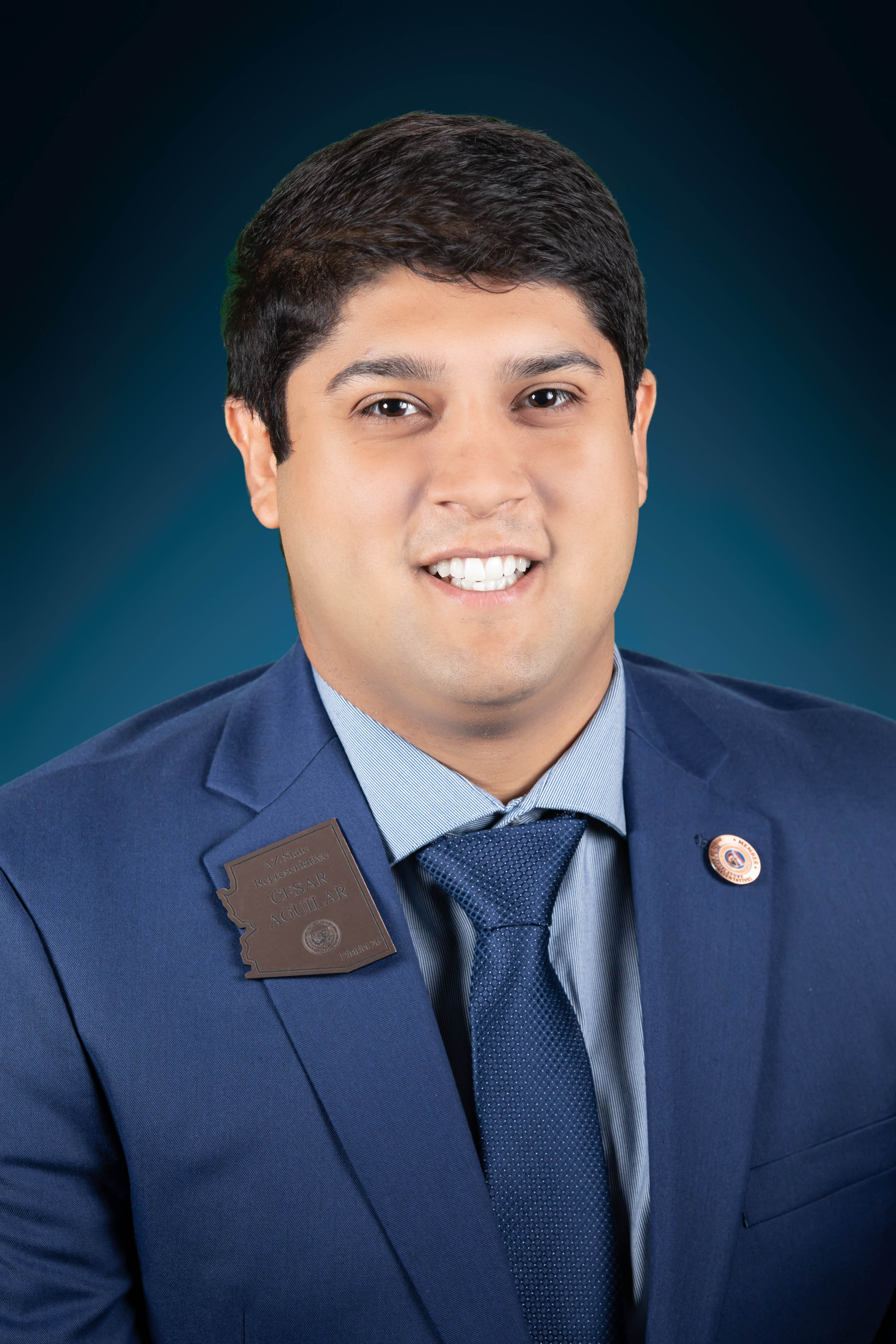
57th Legislature - First Regular Session Introduced by Cesar Aguilar and 7 co-sponsors

Arizona bill prohibits employers, schools, and public accommodations from discriminating against individuals based on protective hairstyles like braids and locks.

House Second Reading
0
WeVote Research Nonpartisan
Bill Summary · HB 2652

Legislative bill overview

HB 2652 prohibits discrimination based on protective hairstyles, which typically include braids, locks, twists, and other styles commonly worn by people with textured hair, particularly Black individuals. The bill explicitly protects individuals in employment, housing, education, and public accommodation contexts from being denied opportunities or services based on their choice of protective hairstyles.

Why is this important

Protective hairstyle discrimination has been documented in schools, workplaces, and other settings, with individuals facing dress code violations, termination, or exclusion based on natural hair styling choices. This legislation addresses a specific equity gap where certain hairstyles associated with racial and ethnic groups have been treated as "unprofessional" or in violation of appearance standards, disproportionately affecting Black employees and students.

Potential points of contention

  • Scope and definition: Defining what qualifies as a "protective hairstyle" with sufficient clarity to avoid disputes over whether specific styles are covered
  • Business and institutional flexibility: Tension between anti-discrimination protections and employer/school autonomy in setting appearance or dress code policies
  • Enforcement mechanisms: Whether existing civil rights agencies can effectively enforce this protection or if additional resources are needed
  • Constitutional concerns: Potential arguments about religious expression, associational rights, or whether the law improperly restricts private entity decision-making

Compiled from official sources — confirm details with the bill’s official record.

Sign in to ask a question.