

WeVote

Bill

Bill

HJRES 203

Directing the Federal Trade Commission to investigate and report on anticompetitive practices and violations of the antitrust laws in the fire truck manufacturing industry.

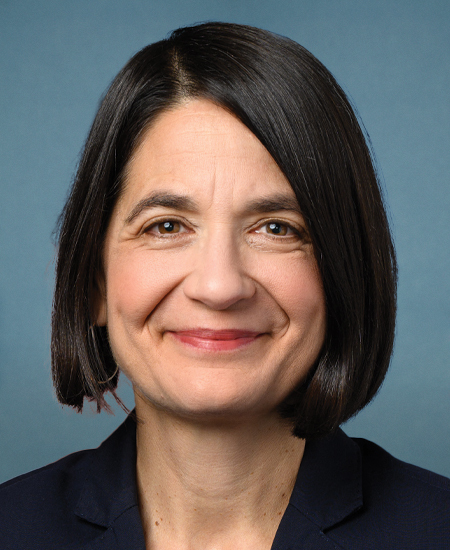
119th Congress Introduced by Becca Balint and 1 co-sponsor

The FTC must investigate anticompetitive practices in fire truck manufacturing and report findings and potential remedies to Congress within one year.

Introduced in House
0
WeVote Research Nonpartisan
Bill Summary · HJRES 203

Summary of H.J.Res. 203 (119th Congress, 2nd Session)

A joint resolution directing the Federal Trade Commission (FTC) to investigate anticompetitive practices in the fire truck manufacturing industry and report findings to Congress.

Purpose and intent

  • The bill directs the FTC to investigate alleged violations of the antitrust laws within the fire truck manufacturing industry.
  • It aims to assess how market consolidation, acquisitions, and other anticompetitive practices may affect prices, delivery times, and public safety outcomes for fire departments and related entities.
  • The resolution seeks to inform potential legislative or remedial actions based on the FTC’s findings.

Key provisions and changes proposed

  • Direction to investigate: The FTC shall examine the extent of anticompetitive practices and violations of antitrust laws (as defined by the Clayton Act) in the fire truck manufacturing industry.
  • Specific focus areas during investigation:
    • Price fixing
    • Price gouging
    • Serial acquisitions and consolidation
    • Monopolization
  • Assessment of impacts:
    • Effects of anticompetitive practices on firefighters, fire departments, states, municipalities, and small businesses
    • Monetary and other harms associated with these practices
  • Reporting timeline:
    • The FTC must report to the Senate Committee on the Judiciary and the House Committee on the Judiciary no later than one year after the resolution’s adoption.
  • Content of FTC report:
    • Whether and to what extent anticompetitive practices exist in the industry
    • The impact on public safety and government entities that procure fire trucks
    • Recommendations for potential legislation or other remedial actions
  • Contingent reporting if information is incomplete:
    • If a respondent does not provide timely information to the FTC, the FTC shall report on the conduct of that respondent to the same Congressional committees.

Who would be affected

  • Fire departments, including municipal, state, and regional entities that purchase fire trucks
  • Firefighters and public safety personnel benefiting from timely access to reliable equipment
  • Fire truck manufacturers and their business practices, particularly those involved in consolidation, acquisitions, or pricing strategies
  • Local governments and taxpayers, through the potential impact on procurement costs and delivery timelines

Procedural and timeline aspects

  • Status: Introduced in the House on July 21, 2026; referred to the House Committee on the Judiciary
  • Required action: FTC investigation and final report due within one year of adoption
  • Report recipients: Committee on the Judiciary, Senate and House, respectively

Potential impact and context

  • Heightens scrutiny on market concentration in a sector with significant capital equipment and long lead times
  • If findings identify anticompetitive behavior, could lead to legislative proposals, regulatory actions, or enforcement priorities to restore competition and address price and delivery concerns
  • Addresses public safety implications by tying market structure to capability and readiness of fire services

Note: The bill does not itself amend existing antitrust statutes but directs an official inquiry by the FTC and a formal Congressional report with recommendations.

Compiled from official sources — confirm details with the bill’s official record.

Sign in to ask a question.