

WeVote

Bill

Bill

HB 4969

DHS-DSP WAGE&CILA RATE INCREAS

104th Regular Session Introduced by Marti Deuter and 4 co-sponsors

The bill raises wages for ID/DD frontline staff toward 150% of minimum wage by 2027 and allows emergency rules to implement these increases and related waivers.

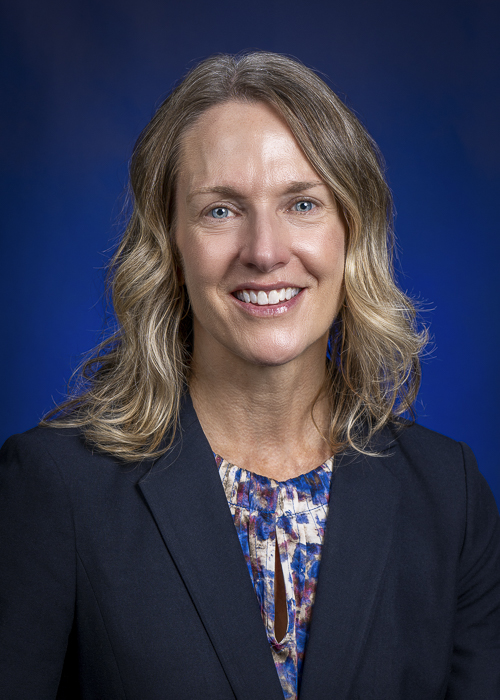
Added Co-Sponsor Rep. Martha Deuter
0
WeVote Research Nonpartisan
Bill Summary · HB 4969

Summary of HB4969 (104th General Assembly, Illinois)

  • Purpose and intent

    • The bill seeks to increase wages and adjust rate methodologies for direct service and frontline staff working with adults with intellectual and developmental disabilities (ID/DD) in Home and Community-Based Services (HCBS) waivers, Community Integrated Living Arrangements (CILA), and related ID/DD facilities.
    • It aims to achieve progressively higher wage floors through a series of phased increases and by authorizing federal/state plan amendments to reflect higher wage benchmarks, with a long-term target of reaching 150% of minimum wage for many frontline workers by January 1, 2027.
  • Key provisions and changes

    • Emergency rulemaking authority
    • Adds a new procedural provision allowing the Department of Human Services (DHS) to adopt emergency rules to implement wage increases, deemed necessary for public safety and welfare. The emergency-rule authority ends one year after the amendatory act’s effective date.
    • Rate increases and wage benchmarks (Mental Health and Developmental Disabilities Administrative Act)
    • Section 74 outlines a multi-year schedule of wage increases for frontline personnel in community-based ID/DD services, with specific targets tied to wage levels:
      • Starting point timelines tied to prior acts (e.g., 2017, 2018, 2019) establishing smaller increases (e.g., $0.50–$1.50 per hour in various years) and then broader increases subject to federal waiver approvals.
      • Beginning January 1, 2027, a crucial new target: wage rates increased to 150% of the statewide, regional, or local minimum wage for direct support professionals and other frontline staff not covered by BL S wage adjustments, in residential and community day settings.
      • Parallel increases for residential non-executive direct care staff to match the federal Bureau of Labor Statistics (BLS) average wage, as defined by DHS rules, with funding contingent on waiver amendments.
    • Additional components include:
      • Tiered/acuity-based rates for community day services.
      • Community integration supports for community day services.
      • Benchmark rates for CILA transportation (vehicle purchase allowances) and for the Supported Employment program.
      • Annual or multi-year wage adjustments from 2022 through 2026, with portions directed to base wages and portions allocated flexibly to broader wage increases.
      • Employment-related expense adjustments to be defined by Department rules.
    • Section 80: Zero Hour Staffing Model
    • Beginning January 1, 2027, DHS would implement a Zero Hour Staffing Model for CILAs, with rates aligned to the Guidehouse Rate Study. The model allows not mandating staff presence when individuals are not present and preserves the Enhanced Residential Billing code (37U). Administrative rules would govern implementation.
    • Public Aid Code adjustments
    • The Illinois Public Aid Code (Section 5-5.4) is amended to reflect the historical framework for rate setting in long-term care and ID/DD facilities, incorporating the broad wage-increase framework and aligning with federal waiver processes when applicable.
    • Federal Waiver/State Plan Amendments
    • The bill requires DHS and the Department of Healthcare and Family Services (HFS) to file Title XIX State Plan amendments and 1915(c) HCBS waiver amendments with the Centers for Medicare and Medicaid Services (CMS) to authorize wage increases and revised rate methodologies, including 150% minimum wage targets by 2027.
  • Who would be affected

    • Direct care staff and frontline personnel working in ID/DD community-based services, residential settings, and CILAs.
    • Residential non-executive direct care staff and aides in facilities serving ID/DD populations.
    • Providers administering HCBS waivers and CILA programs, subject to waiver amendments and federal approval.
    • DHS and HFS, which would implement and administer the new wage schedule and rate methodologies, and DHS to issue emergency rules as needed.
  • Procedural/timeline aspects

    • Emergency-rulemaking authority activated for rapid implementation, repealed one year after enactment.
    • By January 1, 2027: file 1915(c) HCBS waiver amendment and implement 150% minimum wage rate for specified staff; implement Zero Hour Staffing Model for CILAs.
    • Ongoing rulemaking and federal approval processes required for several subsections (e.g., wage methodology changes, transportation/therapy/counseling rate adjustments).

Compiled from official sources — confirm details with the bill’s official record.

Sign in to ask a question.