

WeVote

Bill

Bill

HB 5102

DHS-COMMUNITY DAY SERVICES

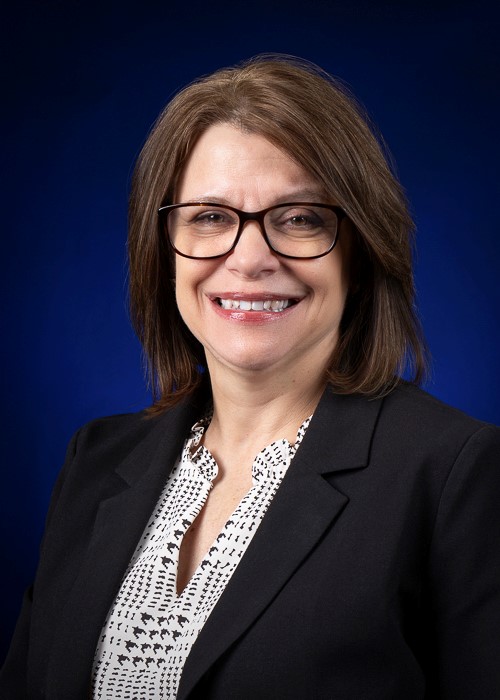
104th Regular Session Introduced by Suzanne Ness

The bill clarifies and funds DHS community day services to ensure eligible individuals have access, with standardized delivery, oversight, and integration across related supports.

0
WeVote Research Nonpartisan
Bill Summary · HB 5102

Summary of HB 5102 (Illinois, 104th Session) – DHS-Community Day Services

Purpose and intent

HB 5102 aims to address funding, program standards, and service delivery for community day services under the Department of Human Services (DHS). The bill seeks to clarify eligibility, expand or modify supports, and establish oversight mechanisms to ensure people with disabilities or other eligible populations have access to community-based daytime services.

Key provisions and changes

  • Program scope and definitions: The bill defines what constitutes “community day services” and identifies the populations served (e.g., individuals with disabilities, aged or dependent adults, or other DHS-eligible groups). It clarifies the role of DHS in administering and monitoring these services.
  • Funding and reimbursement: Provisions outline funding streams for community day services, including applicable state dollars, match requirements, and reimbursement methodologies (e.g., per-participant rates, service units, or quarterly reconciliations). It may set caps, minimums, or targets to ensure continuity of funding.
  • Service requirements and standards: The bill establishes or updates standards for service delivery, including minimum hours of operation, staffing ratios, required program activities (such as day habilitation, community integration, skill-building, and supervised activities), and accessibility requirements.
  • Eligibility and enrollment processes: It specifies criteria for eligibility, intake procedures, and enrollment priorities (e.g., based on need, timely access, or waitlist management). It may address eligibility redetermination intervals.
  • Quality assurance and oversight: Provisions create or strengthen monitoring, reporting, and accountability mechanisms for providers, including performance metrics, site visits, and compliance with DHS rules. It may authorize DHS to impose corrective actions or funding adjustments for noncompliance.
  • Provider qualifications and credentials: The bill may require providers to meet certain licensing, accreditation, or credentialing standards and to maintain staff training in areas such as safety, person-centered planning, and trauma-informed care.
  • Coordination with other services: It emphasizes integration with related DHS programs (e.g., home-based supports, day programs, employment services) and may require case management collaboration to ensure seamless supports.
  • Rights and protections: Provisions reinforce participant rights, informed consent, confidentiality, safeguarding against abuse or neglect, and processes for grievances or appeals related to services.
  • Reporting and evaluation: The bill could mandate periodic reporting to the legislature or DHS on program outcomes, utilization, access improvements, and budget impacts, with possible sunset or review dates.

Who would be affected

  • Individuals served: People who rely on or may rely on community day services for daytime support, socialization, skill-building, or rehabilitation.
  • Family members and guardians: Beneficiaries’ families who coordinate with DHS and service providers regarding eligibility, services, and funding.
  • Community-based providers: Agencies delivering day services would be affected by standards, funding mechanisms, and reporting requirements.
  • DHS and state agencies: The department would implement rules, monitor compliance, adjust funding, and oversee service quality.

Procedural and timeline considerations

  • The bill lays out administrative processes for eligibility determination, contract or grant awarding to providers, and oversight cycles.
  • There may be effective dates tied to fiscal years or specific calendar dates for implementing new standards, funding changes, or reporting requirements.
  • Potential for phased implementation if additional training, licensing, or infrastructure changes are required.

Notes

  • This summary reflects common elements found in legislation addressing DHS community day services. For precise language, exact definitions, funding amounts, timelines, and any amendments, please refer to the official bill text and fiscal notes from the 104th Illinois General Assembly.

Compiled from official sources — confirm details with the bill’s official record.

Sign in to ask a question.