

WeVote

Bill

Bill

SB 3649

DHFS-LIVE-IN CAREGIVER WAIVER

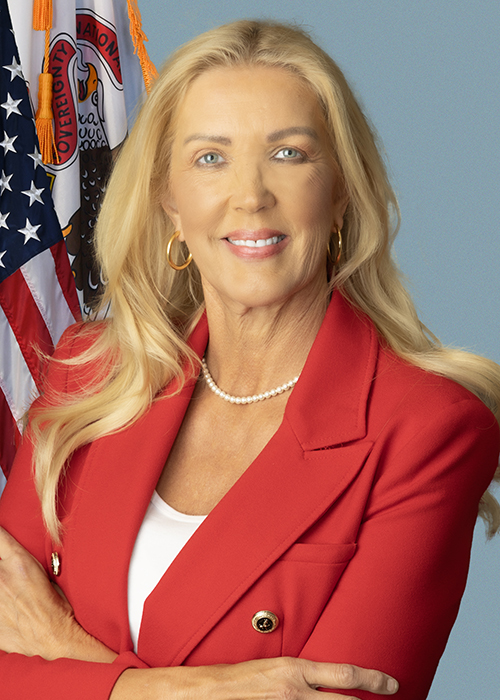
104th Regular Session Introduced by Sue Rezin

Creates a waiver framework for live-in caregiver services under DHFS to clarify standards, funding, oversight, and consumer protections.

0
WeVote Research Nonpartisan
Bill Summary · SB 3649

Overview

SB 3649 (104th Illinois General Assembly), titled DHFS-LIVE-IN CAREGIVER WAIVER, seeks to modify the state’s engagement with live-in caregivers within the Department of Human Services/Family (DHFS) programs, by creating a waiver framework intended to clarify requirements, funding, and operational expectations. The bill lists Sue Rezin as a co-sponsor.

Purpose and intent

  • Establish a formal waiver process to govern the use of live-in caregivers in eligible DHS programs.
  • Provide regulatory flexibility to DHFS to implement standards, oversight, and reimbursement related to live-in caregiving arrangements.
  • Aim to balance consumer choice in care arrangements with program integrity, fiscal accountability, and quality-of-care considerations.

Key provisions and changes

  • Waiver Framework: Create or authorize a waiver mechanism that allows DHFS to adjust requirements for live-in caregivers, potentially streamlining or tailoring rules for compliance, billing, and oversight.
  • Eligibility and Standards: Specify criteria for individuals and providers to participate under the waiver, including qualifications, background checks, training, and supervision expectations.
  • Reimbursement and Funding: Define how live-in caregiver services may be funded under the waiver, including eligibility for standard Medicaid or state funds, rate structures, and any caps or temporary adjustments.
  • Oversight and Compliance: Establish monitoring, reporting, and auditing requirements to ensure waivers operate with program integrity, address potential fraud, waste, and abuse, and protect program beneficiaries.
  • Consumer Protections: Include safeguards for consumers receiving live-in care, such as grievance processes, service quality benchmarks, and dispute resolution mechanisms.
  • Sunset or Review Provisions: Potentially include a sunsetting timeline or periodic review to assess waiver effectiveness and fiscal impact.

Who would be affected

  • Individuals and families using DHFS-funded services who rely on live-in caregivers.
  • Licensed or registered home care agencies and live-in caregiver providers participating under the waiver.
  • DHFS and state Medicaid/healthcare program administrators responsible for policy implementation, compliance, and reimbursement.
  • Stakeholders such as consumer advocates, regulators, and auditors involved in oversight of long-term care services.

Procedural and timeline aspects

  • As a waiver-related bill, it would typically require regulatory rulemaking, administrative guidance, and possible formal approval from relevant state authorities.
  • The bill would outline effective dates for implementation, transition periods, and deadlines for provider enrollment, reporting, and renewal of the waiver.
  • Any fiscal note or appropriation accompanying the bill would detail anticipated costs and potential savings.

Potential impact

  • Increased flexibility in delivering live-in caregiver services within DHFS programs.
  • Clarified fiscal pathways for reimbursement, potentially expanding or refining access to live-in caregiving support.
  • Enhanced oversight and consumer protections aimed at improving service quality and safeguarding program funds.
  • Variation in provider participation depending on waiver terms and administrative capacity.

If you would like, I can tailor this summary to a specific audience (e.g., policymakers, healthcare providers, or advocacy groups) or add any available fiscal, regulatory, or timeline details from the bill text.

Compiled from official sources — confirm details with the bill’s official record.

Sign in to ask a question.