

WeVote

Bill

Bill

SB 1323

DFPR-NURSING EDUCATION PROGRAM

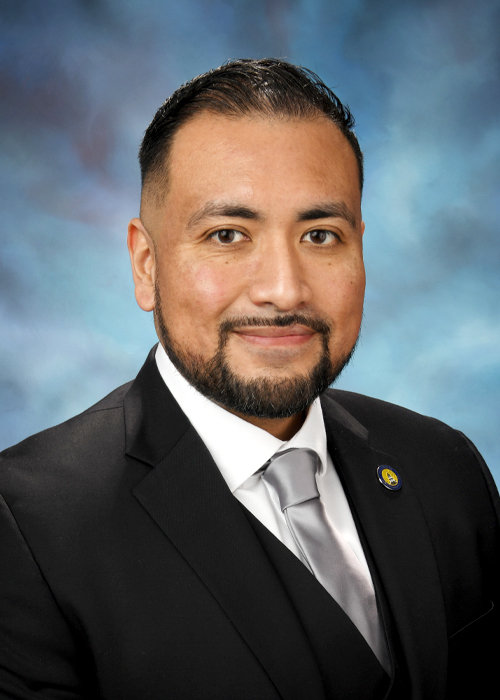
104th Regular Session Introduced by Javier Cervantes and 1 co-sponsor

Implements stricter nursing education program requirements, boosting DFPR approval, ongoing evaluation, and licensure consequences for noncompliant programs.

0
WeVote Research Nonpartisan
Bill Summary · SB 1323

SB 1323 — DFPR: Nursing Education Program (summary)

Note: the provided materials include multiple unrelated texts (Arizona and Hawaii bills). This summary focuses on the Illinois SB 1323 text titled to amend the Nurse Practice Act (225 ILCS 65), as introduced by Sen. Javier L. Cervantes (LRB104 07551 AAS 17595 b), which addresses requirements, approval, and enforcement for registered professional nursing education programs and licensure.

Purpose / Intent

To revise and strengthen statutory requirements for registered professional nursing education programs, clarify program approval and closure procedures, update faculty and curriculum expectations (including simulation use and accreditation), and increase Department of Financial and Professional Regulation (DFPR) enforcement authority over licensure tied to program compliance.

Key provisions

  • Program establishment and approval

    • Requires a feasibility submission to the Board of Nursing including institutional/governing support, ongoing financial support, educational and clinical resources, planned accreditation status (pre‑accreditation/candidate status), clinical partnerships, qualified faculty and director, and a timeline for key program components (director hire, curriculum, evaluation plan, student policies, disability accommodations).
    • Board must approve proposed program after successful completion of the specified process and a site visit.
  • Program policies and student protections

    • Mandates written admission, progression, retention, and graduation policies (evidence‑based criteria) and policies for professional behavior and disability accommodations.
    • Policies must be reviewed and approved by the governing body and be accessible.
  • Faculty qualifications, training, development

    • Faculty teaching didactic courses: graduate degree in nursing and at least 2 years practical experience.
    • Faculty teaching clinical/lab/simulation: graduate degree in nursing and current, unencumbered RN license.
    • Waiver option: faculty with only a bachelor’s degree may teach certain courses with a Division waiver; no more than 20% of program faculty may hold waivers simultaneously.
    • Requires orientation, mentoring for new faculty, and ongoing professional development.
  • Curriculum, simulation, accreditation, closure

    • Updates curriculum and systematic evaluation requirements; addresses appropriate use of simulation.
    • Sets expectations for seeking nursing accreditation by a nationally recognized accrediting body.
    • Establishes procedures for Board approval and orderly program closure.
  • Enforcement / licensure consequences

    • Grants DFPR authority to rescind a person’s license without a hearing if that person obtained a license after completing (or receiving credit from) a nursing program that does not meet the statutory requirements.
    • Removes a statutory provision in licensure-by-examination rules that had provided a "good standing" period for professional nursing programs on probationary status (i.e., graduates from programs on probation may no longer be protected by that period).

Who is affected

  • Nursing education programs and their governing institutions
  • Program administrators and faculty (hiring, credentials, training)
  • Current and prospective nursing students (admissions, progression, credential validity)
  • DFPR and the Illinois Board of Nursing (approval, oversight, enforcement)
  • Employers and patients (through impacts on program quality and licensure status)

Procedural status / next steps

  • Introduced in the Illinois General Assembly (LRB code above) by Sen. Javier L. Cervantes (introduced 01/28/2025 per LRB header).
  • As an introduced bill, it requires committee consideration, possible amendments, and passage by both chambers before enrollment and signature to become law.
  • Companion House bills noted: HB 1331 and HB 1004 (for further tracking).

If you want, I can:
- Extract and list the specific statutory subsections changed (225 ILCS 65/60-5, 60-10) and quote key language; or
- Draft a short one‑page explainer of the consequences for students and programs.

Compiled from official sources — confirm details with the bill’s official record.

Sign in to ask a question.