

WeVote

Bill

Bill

SB 5624

Developing best practices for responding to electric vehicle fires.

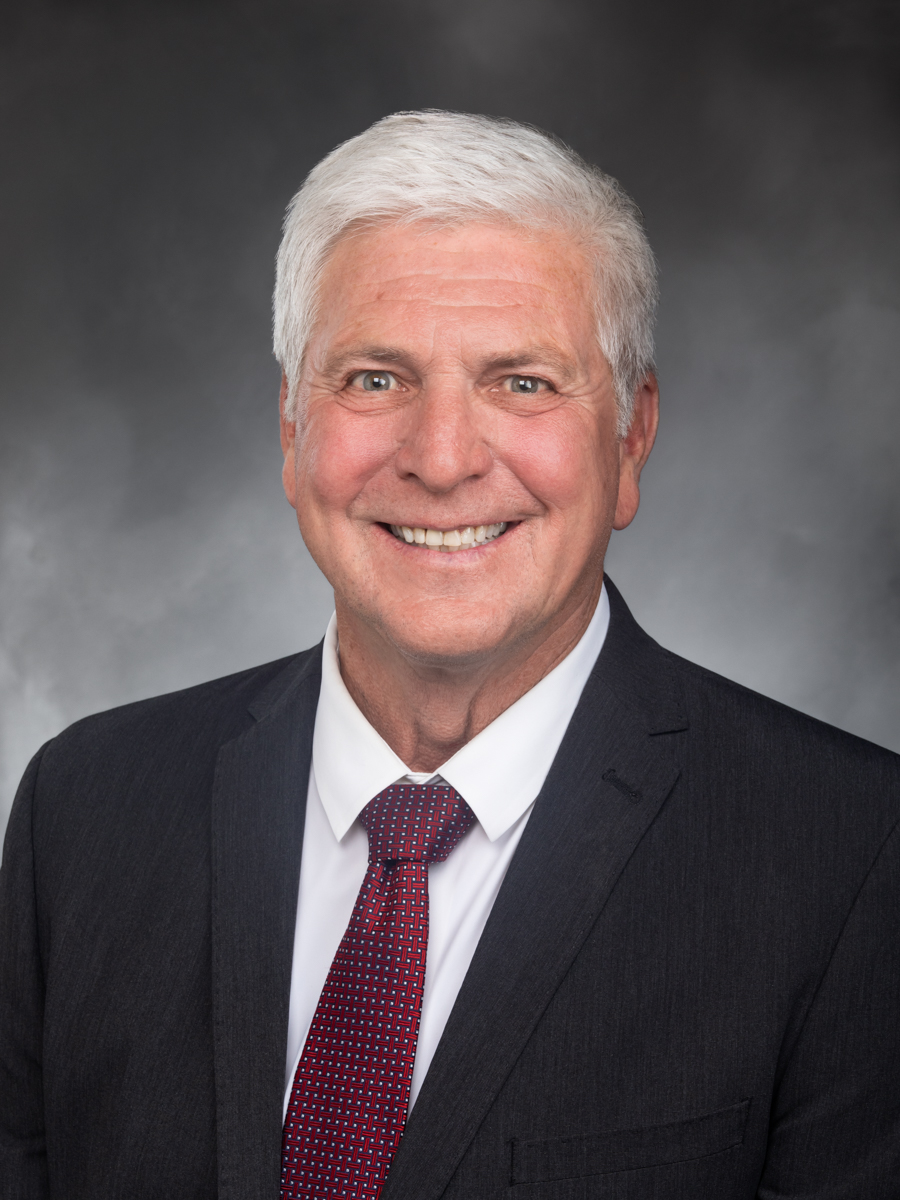
2025-2026 Regular Session Introduced by Perry Dozier and 10 co-sponsors

Establish statewide best practices and checklists for multidisciplinary EV fire responses, including guidance on response, transport, storage, and interagency coordination.

Referred to Ways & Means.
0
WeVote Research Nonpartisan
Bill Summary · SB 5624

Summary of SB 5624 (Developing best practices for responding to electric vehicle fires)

Purpose and intent

SB 5624 proposes to establish statewide best practices for multidisciplinary responses and training related to electric vehicle (EV) fires. The bill directs the Washington State Patrol (WSP) to develop guidance for how law enforcement, fire agencies, and other first responders should respond to EVs involved in collisions or fires, as well as how to transport, tow, and store such vehicles. It also requires the creation of interagency coordination checklists to standardize responses across jurisdictions and make those checklists available to all fire agencies in Washington.

Key provisions

  • Create best practices for multidiscipline responses and training for EV fires.

    • Agencies/parties to collaborate with:
    • Washington State Patrol
    • Department of Ecology
    • Local fire protection districts
    • Towing and recovery industry
    • Other relevant entities
    • Minimum guidance topics:
    • Response procedures for law enforcement, fire services, and other first responders to EVs involved in collisions or fires
    • Transportation, towing, and storage of EVs involved in collisions or fires
  • Develop interagency coordination checklists

    • To be produced by the WSP, through the Director of Fire Protection
    • Checklists will incorporate the best practices established under (1)
    • Must be distributed to and usable by all fire agencies in Washington

Who or what is affected

  • Primary lead: Washington State Patrol (WSP)
  • Partner agencies: Department of Ecology; local fire protection districts; towing and recovery industry; other entities consulted
  • End users: Fire departments and other first responders across Washington
  • Indirect impacts: Training programs, interagency protocols, and standard operating procedures related to EV incidents

Procedural and timeline aspects

  • Legislative history:
    • Introduced January 31, 2025; referred to Transportation
    • Executive action in Senate Transportation on February 6, 2025 (Majority; without recommendation); referred to Ways & Means
    • Referred to Ways & Means on February 10, 2025
  • Status: Referred to Ways & Means (as of the latest action)
  • Notes: The bill creates a new section and does not specify funding or penalties within the text provided. A fiscal note would typically be considered if the measure advances to appropriation.

Potential impact

  • Enhances safety by standardizing how EV fires are managed across jurisdictions
  • Improves interagency coordination and communication during EV-related incidents
  • Provides consistent guidance on handling, towing, and storing EVs after crashes or fires
  • Requires resources and time for agencies to develop, implement, and disseminate the checklists and training materials

Next steps

  • Monitor committee actions in Ways & Means for any fiscal analysis, amendments, or changes to scope
  • If advanced, expect potential fiscal considerations and implementation timelines for statewide deployment of training and checklists
  • Final passage would lead to adoption of statewide best practices and standardized procedures for EV incident responses.

Compiled from official sources — confirm details with the bill’s official record.

Sign in to ask a question.