

WeVote

Bill

Bill

HB 289

Department of Public Safety and Correctional Services - Incarcerated Individual Apprenticeship Program

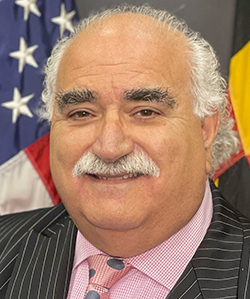
2025 Regular Session Introduced by Ric Metzgar

Maryland bill establishes paid apprenticeship program for incarcerated individuals to develop job skills and reduce recidivism through vocational training.

Hearing 1/28 at 1:00 p.m.
0
WeVote Research Nonpartisan
Bill Summary · HB 289

Legislative bill overview

HB 289 establishes an apprenticeship program within Maryland's Department of Public Safety and Correctional Services that allows incarcerated individuals to participate in paid skill-training opportunities while serving their sentences. The program aims to provide vocational education in trades and professions, with wages earned potentially available to incarcerated workers or designated beneficiaries. This creates a structured pathway for inmates to develop marketable job skills before release.

Why is this important

Recidivism rates in Maryland and nationally remain high, with lack of job skills cited as a significant barrier to successful reentry. Apprenticeship programs can increase employment prospects post-release, reducing the likelihood of reoffending and supporting public safety. Additionally, the program may generate revenue for the correction system while providing meaningful work and wage-earning opportunities that many incarcerated individuals currently lack.

Potential points of contention

  • Inmate labor compensation concerns: Questions about fair wages, benefit allocation, and whether earnings should compensate victims, support families, or go to the incarcerated person—balancing rehabilitation goals with restitution priorities
  • Program accessibility and equity: Uncertainty about selection criteria, whether participation is voluntary, and whether certain incarcerated populations (those with longer sentences, specific offenses, or behavioral records) would be excluded or prioritized
  • Implementation costs and sustainability: Concerns about funding requirements, training infrastructure, equipment needs, and whether the program would be self-sustaining or require ongoing taxpayer subsidies

Compiled from official sources — confirm details with the bill’s official record.

Sign in to ask a question.