

WeVote

Bill

Bill

SF 4596

Department of Human Services home and community-based services provider support and technical assistance team establishment

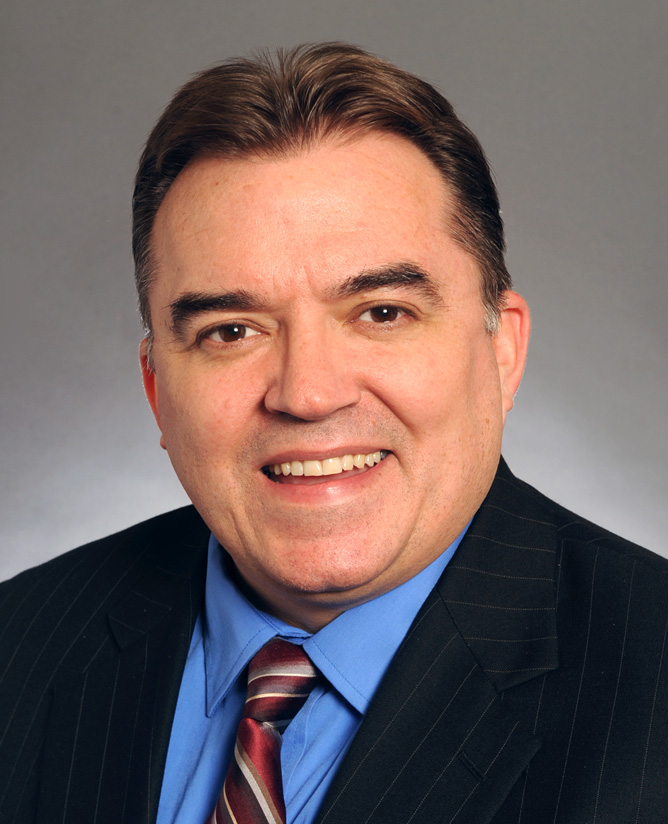
2025-2026 Regular Session Introduced by John Hoffman and 3 co-sponsors

Creates a DHS team to provide targeted support and technical assistance to HCBS providers, boosting compliance, quality, and workforce development.

Referred to Human Services
0
WeVote Research Nonpartisan
Bill Summary · SF 4596

Summary of SF 4596 (2025-2026) – Minnesota

Title

Department of Human Services home and community-based services provider support and technical assistance team establishment

Purpose and intent

SF 4596 proposes creating a dedicated team within the Minnesota Department of Human Services (DHS) to support and provide technical assistance to providers of home and community-based services (HCBS). The overarching aim is to strengthen the capacity, quality, and sustainability of HCBS providers, ensuring better service delivery for individuals who rely on home- and community-based supports.

Key provisions

  • Establishment of a DHS support team

    • Creates and funds a specialized provider support and technical assistance team within DHS.
    • The team’s purpose is to assist HCBS providers with compliance, quality improvement, workforce development, and operational challenges.
  • Technical assistance and guidance

    • The team would offer targeted technical assistance to providers, potentially covering areas such as regulatory compliance, billing and financing, program requirements, data reporting, and quality measures.
    • May develop and disseminate best practices, templates, and training materials tailored to HCBS settings.
  • Provider capacity-building activities

    • Activities could include workforce development initiatives, recruitment and retention strategies, and professional development opportunities for direct care staff and supervisors.
    • May support providers in implementing person-centered planning and outcomes-based care improvements.
  • Support scope and beneficiaries

    • Primarily serves HCBS providers that operate under DHS programs, including those serving adults with disabilities, elderly individuals, and others utilizing waivered or state-funded HCBS services.
    • Aims to benefit frontline workers by reducing administrative barriers and improving service quality.
  • Coordination with existing DHS programs

    • The new team would coordinate with other DHS divisions and state agencies to align with state HCBS policy goals, quality standards, and regulatory requirements.

Who would be affected

  • HCBS providers: Enhanced access to technical assistance, resources, and guidance to meet program requirements and improve operations.
  • Direct care staff and administrators: Indirectly benefit from improved training resources, workforce development efforts, and streamlined processes.
  • DHS program administrators: Increased collaboration with a dedicated internal team focused on HCBS provider support.

Procedural and timeline aspects

  • Introduction and referral

    • Introduced on March 18, 2026.
    • Referred to the House committee on Human Services (Minnesota Senate bill SF numbers typically align with Minnesota Senate; this summary references the provided action history and committee referral).
  • Next steps in the legislative process

    • The bill would advance through committee hearings, potential amendments, and votes in the chamber(s) of origin, followed by consideration in the other legislative chamber and, if passed, signature by the governor or veto override as applicable.
    • Specific fiscal notes, implementation timelines, and appropriation language would be developed during the committee process.

Fiscal considerations (to be clarified in later amendments)

  • Any funding amount, source of funds (e.g., general funds, federal pass-throughs, or grant programs), and duration of appropriations for the new provider support and technical assistance team would typically be defined in the bill’s appropriation section or through attached fiscal notes.

Potential impact and considerations

  • By centralizing provider support, the bill seeks to reduce administrative burdens on HCBS providers, promote compliance, and enhance service quality.
  • The success of the program would depend on adequate funding, clear service expectations, defined performance metrics, and effective coordination with existing DHS supports.
  • Stakeholders may weigh considerations such as program scalability, impact on provider flexibility, and alignment with broader HCBS reform initiatives.

If you’d like, I can add a section with hypothetical implementation milestones or compare SF 4596 to similar current state programs for context.

Compiled from official sources — confirm details with the bill’s official record.

Sign in to ask a question.