

WeVote

Bill

Bill

HRES 932

Denouncing dangerous and seditious rhetoric by Members of Congress and expressing condemnation of Senator Mark Kelly, Senator Elissa Slotkin, Representative Jason Crow, Representative Christopher Deluzio, Representative Maggie Goodlander, and Representative Chrissy Houlahan for attempting to sow disallegiance amongst members of the United States military and intelligence community and encouraging them to act against the Commander in Chief and President of the United States and violate the Uniform Code of Military Justice.

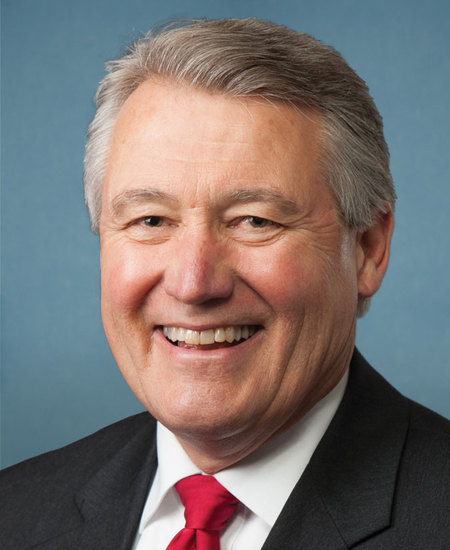
119th Congress Introduced by Rick Allen and 25 co-sponsors

Denounce six lawmakers’ rhetoric as dangerous and seditious, reaffirming civilian control of the military and that disobedience to lawful orders risks court-martial.

Submitted in House
0
WeVote Research Nonpartisan
Bill Summary · HRES 932

Summary: H. Res. 932 (119th Congress) — Denouncing dangerous and seditious rhetoric by Members of Congress

Overview

H. Res. 932 is a House resolution introduced on December 4, 2025. Its central purpose is to denounce what it characterizes as dangerous and seditious rhetoric by six named Members of Congress and to condemn their actions for allegedly attempting to sow disloyalty among the United States military and intelligence communities and to encourage disobedience to the Commander in Chief and to violate the Uniform Code of Military Justice (UCMJ). The resolution emphasizes the President’s role as Commander in Chief and asserts that military and intelligence personnel must obey lawful orders.

What the bill would do

  • Issue a formal condemnation of the rhetoric described as dangerous and seditious.
  • Specifically condemn six named lawmakers:
    • Senator Mark Kelly
    • Senator Elissa Slotkin
    • Representative Jason Crow
    • Representative Christopher Deluzio
    • Representative Maggie Goodlander
    • Representative Chrissy Houlahan
  • Reaffirm the constitutional principle that the President has the power and responsibility to direct the Armed Forces (Article II, Section 2, U.S. Constitution).
  • Highlight UCMJ provisions (notably Article 92) that prohibit failure to obey lawful orders, framing disobedience as a potential crime subject to court-martial.
  • Reference a video from November 18, 2025, in which the named Members allegedly urged the military and intelligence communities to defy orders they deemed unlawful.
  • Argue that the chain of command is sacrosanct and essential to national security, and that the rhetoric in question undermines trust and undermines service members’ oaths.

Key provisions and language (substantive points)

  • Acknowledges Congress’s constitutional authority over war powers and the chain of command.
  • States that orders are presumed lawful under UCMJ case law, except in cases of clearly unlawful orders.
  • Claims the six Members’ statements undermine the military and intelligence communities and place service members and their families at risk.
  • Declares the House’s denunciation of this rhetoric and its potential impact on national security and civilian-military relations.
  • Serves as a formal, non-binding expression of the House’s position and concern; does not create new legal penalties or funding or alter existing law.

Who/what would be affected

  • Primary: The six named Members of Congress (three in the Senate and three in the House) as targets of the resolution’s condemnation.
  • Secondary: The U.S. military and intelligence communities, insofar as the resolution frames the rhetoric as a threat to discipline, the chain of command, and national security.
  • Legislative bodies: The resolution signals congressional stance but does not impose new legal obligations or regulatory changes.

Procedural and timeline aspects

  • Status: Introduced in the House on December 4, 2025.
  • Referral: Committee on Armed Services and the Permanent Select Committee on Intelligence (with a period to be determined by the Speaker) for consideration within their jurisdiction.
  • Status after introduction: A formal House resolution; not a bill to amend or create law. It expresses a position of the House and is subject to further committee action, debate, and potential floor consideration.
  • There is no enacted policy or funding change attached to this resolution; its effect is primarily rhetorical and symbolic.

Compiled from official sources — confirm details with the bill’s official record.

Sign in to ask a question.