

WeVote

Bill

Bill

HRES 1326

Denouncing corruption in all its forms.

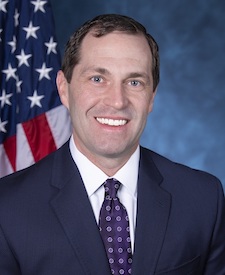
119th Congress Introduced by Jason Crow and 3 co-sponsors

The bill denounces corruption in all forms and signals support for anti-corruption reforms and oversight, without creating new legal obligations.

Submitted in House
0
WeVote Research Nonpartisan
Bill Summary · HRES 1326

Bill Summary: H.Res.1326 – Denouncing corruption in all its forms (119th Congress)

Purpose and intent

  • This is a House concurrent/expressive resolution that denounces corruption in all its forms and opposes policies perceived to benefit special interests and corrupt politicians at the expense of the American people.
  • The resolution frames corruption as a fundamental threat to democratic governance, public trust, and equal political representation, and it calls for actions to strengthen anti-corruption norms and democratic accountability.

Key provisions and changes

  • Expresses a series of declarative findings about:
    • High levels of perceived government corruption and historically low public trust in federal government.
    • Broad concern across partisan lines about unlimited political spending and the influence of wealthy donors in elections.
    • The harms of corruption, self-dealing, dark money, revolving-door employment between private and public sectors, and using public office for personal enrichment.
    • The risks of insider trading, foreign licensing deals, gifts from foreign nations, and certain cryptocurrency activities undermining integrity.
    • The concern that political donations can influence policy through favors such as pardons or policy reciprocity, potentially diminishing justice and public confidence.
  • States a policy position that the House denounces corruption in all its forms and opposes policies that benefit special interests and corrupt politicians at the expense of ordinary Americans.

Who/what is affected

  • The resolution is a political statement by the House of Representatives and its sponsors rather than a law with enforceable requirements.
  • It reflects the stance of the House on corruption-related concerns and sets a rhetorical emphasis for future legislative and oversight actions.
  • As a measure of sentiment, it may influence committees (notably Oversight and Government Reform) and public messaging but does not establish new regulatory obligations or funding.

Procedural/timeline aspects

  • Referred to the House Committee on Oversight and Government Reform for consideration.
  • Introduced and submitted May 29, 2026, by Rep. Crow (and co-sponsors reps Levin, Ocasio-Cortez, Huffman).
  • No text proposing specific statutory changes or timelines; as a resolution, it is primarily a formal expression of the sense of the House.

Significance and potential impact

  • Signals bipartisan concern about corruption and the influence of money in politics.
  • Could lay groundwork for future oversight investigations, hearings, or legislative proposals addressing anti-corruption measures (e.g., campaign finance reform, revolving-door restrictions, disclosure requirements), though none are defined in the resolution itself.
  • Serves as a public-facing stance to bolster efforts to restore public trust and emphasize the House’s commitment to addressing perceived systemic corruption.

If you’d like, I can compare this resolution to previous anti-corruption resolutions or outline potential legislative avenues that could follow from this sentiment (e.g., campaign finance reform, ethics rules, or transparency enhancements).

Compiled from official sources — confirm details with the bill’s official record.

Sign in to ask a question.