

WeVote

Bill

Bill

SF 1998

Dementia treatment medical services and prescription medications coverage requirement provision and step therapy requirements for medical assistance provision

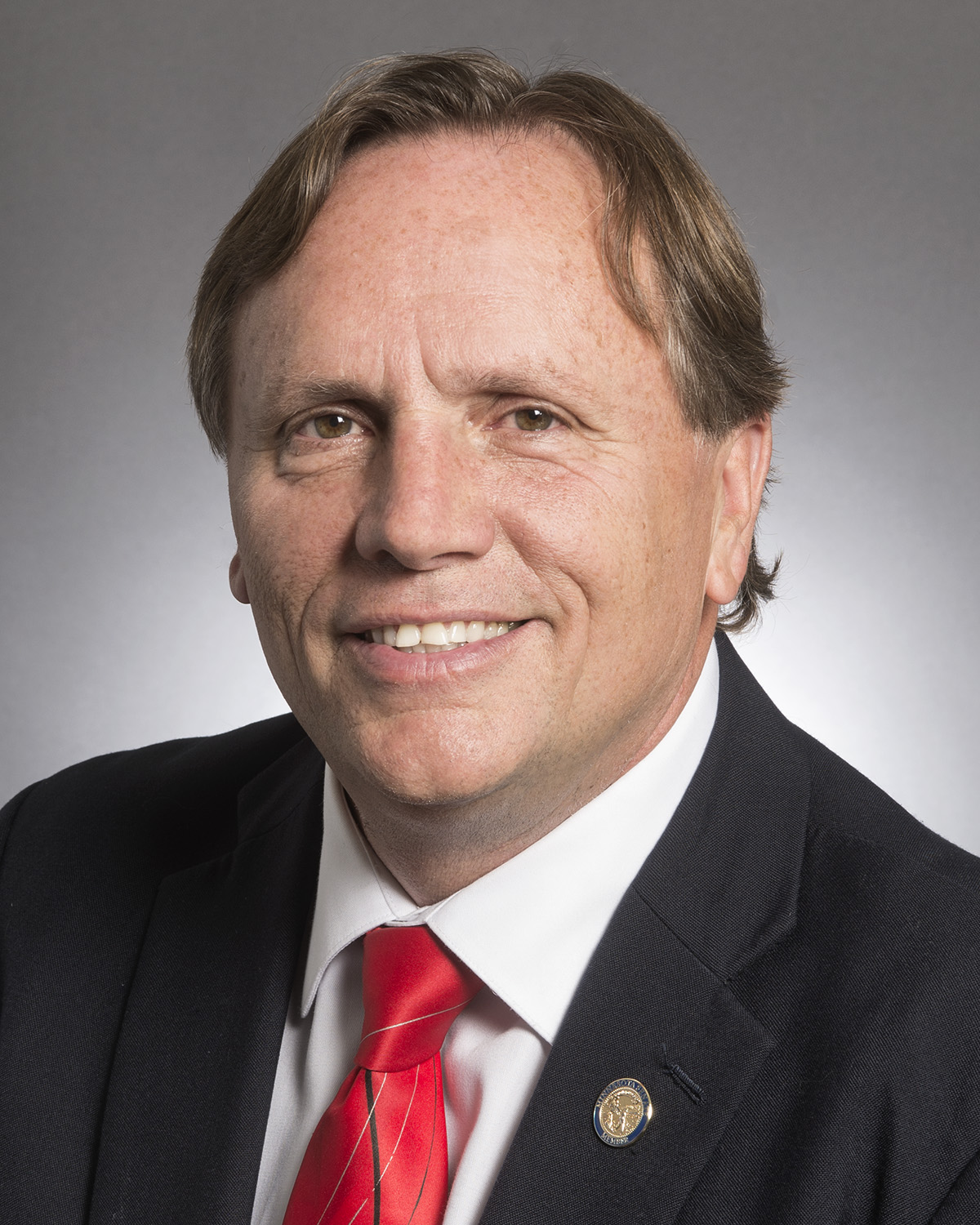
2025-2026 Regular Session Introduced by Jim Abeler and 4 co-sponsors

Minnesota bill mandates health plans cover dementia treatments and medications without step therapy restrictions to expedite patient access to care.

Author added Rest
0
WeVote Research Nonpartisan
Bill Summary · SF 1998

Legislative bill overview

SF 1998 requires health insurance plans and medical assistance programs in Minnesota to cover dementia treatment medications and services without imposing step therapy requirements (protocols requiring patients to try cheaper drugs first before accessing preferred medications). The bill aims to ensure faster access to dementia treatments by removing administrative barriers that delay prescription approval.

Why is this important

Dementia is a progressive neurological condition where treatment timing can significantly affect outcomes, and step therapy delays may allow irreversible cognitive decline to advance. This directly impacts thousands of Minnesota residents with dementia and their families by potentially reducing treatment access delays, though it also affects healthcare costs and insurance premium structures.

Potential points of contention

  • Cost implications: Removing step therapy restrictions typically increases insurance costs by eliminating cheaper drug-first protocols, raising concerns about premium increases and overall healthcare spending
  • Medical necessity debate: Insurance companies argue step therapy protects against unnecessary prescribing of expensive drugs; patient advocates counter that dementia's progressive nature makes delays harmful
  • Coverage scope ambiguity: The bill's definition of "dementia treatment" medications and services may be unclear, creating disputes over which drugs and therapies qualify for mandatory coverage without step therapy requirements

Compiled from official sources — confirm details with the bill’s official record.

Sign in to ask a question.