

WeVote

Bill

Bill

HR 9473

Defenders of Bataan and Corregidor Congressional Gold Medal Act

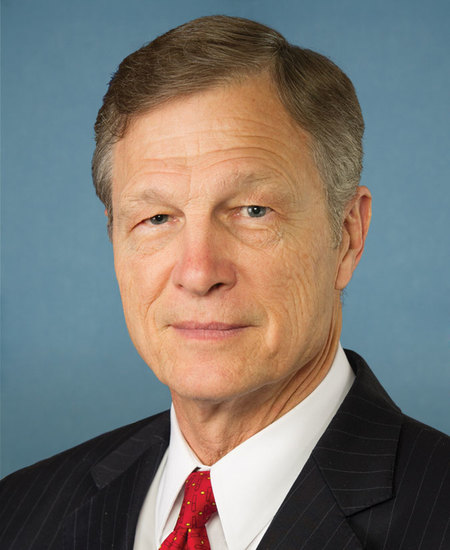
119th Congress Introduced by Brian Babin and 56 co-sponsors

HR 9473 would award a collective Congressional Gold Medal to those who fought for or with the U.S. in the Pacific (including POWs) and place the medal with the Smithsonian for disp

Introduced in House
0
WeVote Research Nonpartisan
Bill Summary · HR 9473

Summary of HR 9473 (Defenders of Bataan and Corregidor Congressional Gold Medal Act)

  • Purpose and intent

    • To award a collective Congressional Gold Medal to the individuals who fought for or with the United States against Imperial Japan in the Pacific theater and who became prisoners of war between December 8, 1941, and August 15, 1945.
    • Recognizes the defense of Bataan and Corregidor, other Pacific theater battles, and the experiences of Allied prisoners of war during World War II.
  • Key provisions and changes

    • Section 2 (Findings): Establishes historical context for U.S. and Filipino resistance in the Pacific, including the Bataan Death March and the surrender of forces in the Philippines, Corregidor, and other locations. Emphasizes the sacrifices of U.S. and Filipino service members and civilians.
    • Section 3 (Definitions):
    • Defines “individuals who fought for or with the United States” to include:
      • Those in the Pacific theater from December 8, 1941, to August 15, 1945.
      • Those who served honorably in the U.S. Armed Forces defending the Pacific early in the war (Dec 8, 1941–June 9, 1942) or who became Japanese POWs through August 15, 1945 (including civilians who gained veterans status after the war).
      • Excludes members of the Pacific Fleet or the Hawaiian Department.
    • Defines “Pacific theater,” “resistance or battle,” and references to the Secretary.
    • Section 4 (Congressional Gold Medal):
    • Authorizes the Speaker of the House and the President pro tempore of the Senate to arrange a collective award of a gold medal to those who fought or with whom the U.S. defended Bataan, Corregidor, and other Pacific theater locations, recognizing personal sacrifice and service.
    • Directs the Secretary to design and strike the gold medal with suitable emblems and inscriptions.
    • Section 4 (continued) – Smithsonian role:
    • The gold medal shall be given to the National Museum of American History (Smithsonian) for display and research.
    • The Smithsonian should, per Congress’ sense, make the medal available for display at locations associated with WWII Pacific defense, POWs, and the defense of the Philippines, Guam, Wake Island, Midway Island, and Java.
    • Section 5 (Duplicate medals):
    • Allows the Secretary to strike and sell bronze duplicates of the gold medal to cover costs.
    • Section 6 (Status of medals):
    • Treats the medals as national medals under 31 U.S.C. Chapter 51 and as numismatic items under relevant provisions.
    • Section 7 (Funding and proceeds):
    • Authorizes using funds from the U.S. Mint Public Enterprise Fund to pay costs of striking the medals.
    • Proceeds from bronze duplicate sales go into the Mint Public Enterprise Fund.
  • Who would be affected

    • Eligible individuals who fought for or with the United States in the specified Pacific theater period, including those who became POWs under Imperial Japan or who were involved in early Pacific defense battles.
    • Families and veterans connected to those individuals, historians, museums, and educational institutions through display and research access to the medal.
    • The Smithsonian Institution would act as the repository and display location for the medal.
  • Procedural and timeline notes

    • Introduced in the House on June 25, 2026.
    • Referred to the Committee on Financial Services and the Committee on House Administration (the latter for periods to be determined by the Speaker) for consideration within their jurisdictions.
    • The act does not specify a target date for completion or for the ceremony; it delegates arrangement and design to the Speaker and Senate President pro tempore, with the Smithsonian as the display custodian after award.
  • Additional context

    • The bill lays out a broad eligibility scope, including civilians who were recognized as POWs and later granted veterans status, but excludes certain units (e.g., Pacific Fleet or Hawaiian Department) from eligibility.
    • Emphasizes recognition of a broad spectrum of defenders, including U.S. and Filipino service members and civilian participants who endured wartime captivity in the Pacific.

This summary covers the bill’s purpose, main provisions, affected groups, and key procedural aspects, providing a clear overview of HR 9473’s objectives and mechanisms for awarding a Congressional Gold Medal.

Compiled from official sources — confirm details with the bill’s official record.

Sign in to ask a question.