

WeVote

Bill

Bill

HRES 1493

Declaring unconditional war on racism and invidious discrimination and providing for the establishment of a Cabinet-level Department of Reconciliation charged with eliminating racism and invidious discrimination.

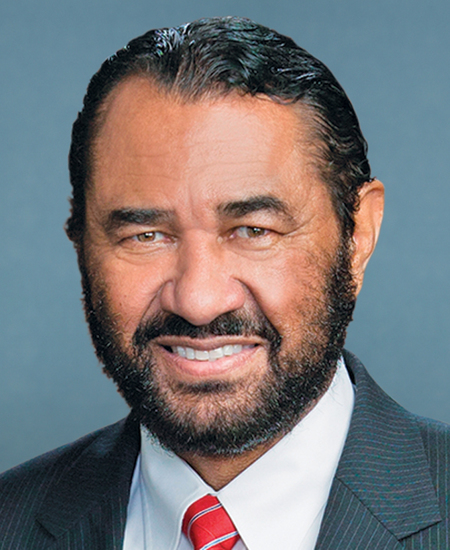
119th Congress Introduced by Al Green

Establishes the Cabinet-level Department of Reconciliation to implement a national strategy to end racism, funded at no less than 10% of the Defense budget, with semi-annual progre

Submitted in House
0
WeVote Research Nonpartisan
Bill Summary · HRES 1493

Overview

H.R. 1493 (119th Congress) is a House resolution proposing an unconditional commitment to eliminating racism and invidious discrimination. It also calls for the creation of a Cabinet-level Department of Reconciliation to coordinate a national strategy against racism and discrimination, with a specified funding level and reporting requirements.

Main purpose and intent

  • Declare an “unconditional war” on racism and invidious discrimination.
  • Establish a Cabinet-level Department of Reconciliation to lead, implement, and coordinate a comprehensive national strategy to eliminate racism and discrimination across society.
  • Ensure ongoing accountability through semi-annual progress reports to Congress.

Key provisions and changes

  • Establishment of the Department of Reconciliation:
    • Headed by a Secretary of Reconciliation appointed by the President with Senate advice and consent.
    • The Department would be responsible for developing and coordinating the implementation of a comprehensive national strategy to eliminate racism and invidious discrimination.
  • Budget and funding:
    • The Department would have a budget equal to not less than 10 percent of the Defense Department’s budget.
  • Reporting and accountability:
    • The Secretary of Reconciliation would provide semi-annual progress reports to Congress.
  • Legislative basis for action:
    • The resolution authorizes House action condemning racism and discrimination as antithetical to the U.S. Constitution.
    • It asserts the need for decisive, immediate, and long-term legislative action to address racism and discrimination, citing contemporary events such as the George Floyd protests as context.

Who/what would be affected

  • Government structure:
    • Creates a new Cabinet-level executive department (Department of Reconciliation).
  • Federal budgeting:
    • Implies a substantial new funding stream (at least 10% of the Defense Department’s budget) directed to the Department of Reconciliation.
  • Oversight and reporting:
    • Requires regular progress reporting to Congress, increasing congressional oversight of anti-racism initiatives.
  • Executive branch leadership:
    • Appointment of a Secretary of Reconciliation with Senate confirmation.

Procedural and timeline aspects

  • Status: Referred to the House Committee on the Judiciary (as of August 27, 2026).
  • Sponsor: Representative Al Green (co-sponsor listed).
  • No specific effective date or phased timeline is provided in the text; the resolution focuses on establishment and funding guidance, plus reporting cadence.
  • As a resolution (not a bill to modify law), it expresses intent and sets the framework for potential future legislative action.

Notes

  • The measure frames its purpose through historical references to past “wars” on poverty and calls for a similar, sustained national effort against racism.
  • The use of a funding level tied to the Defense Department’s budget is a notable structural detail that would shape the scale of the new department’s resources.

Compiled from official sources — confirm details with the bill’s official record.

Sign in to ask a question.