

WeVote

Bill

Bill

HB 4710

$DCEO-ARTS COUNCIL

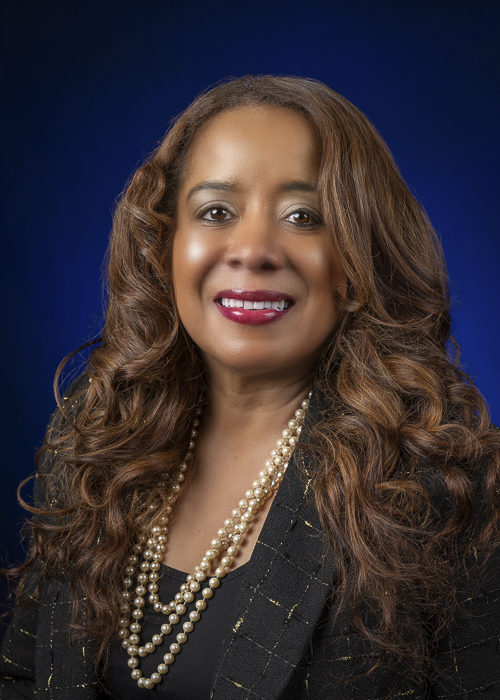
104th Regular Session Introduced by Kimberly Du Buclet

Strengthens coordination between DCEO and the Illinois Arts Council to improve funding, governance, and oversight of state arts programs and grants.

0
WeVote Research Nonpartisan
Bill Summary · HB 4710

Bill Overview

  • Jurisdiction: Illinois
  • Session: 104th
  • Short title: $DCEO-ARTS COUNCIL
  • Sponsor: Primary sponsor not listed; co-sponsor: Kimberly Du Buclet

Purpose and Intent

HB 4710 appears to address the relationship between the Department of Commerce and Economic Opportunity (DCEO) and the Illinois Arts Council (IAC), creating or adjusting an arts council framework, funding mechanisms, or program coordination related to arts, culture, and creative industries. The bill likely aims to strengthen support for the arts sector within state government, promote local arts initiatives, and improve funding or oversight structures for arts programming.

Key Provisions and Changes (high-level)

  • Establishment/Reorganization: Possible creation or redefinition of an Illinois Arts Council or an arts-related council within or in cooperation with DCEO.
  • Funding and appropriations: Potential changes to annual funding levels, grant programs, or allocation formulas for arts organizations, artists, and cultural projects.
  • Program administration: Provisions on administration, reporting, and oversight responsibilities; possible collaboration requirements between DCEO and the arts council.
  • Grant criteria and eligibility: Possible updates to eligibility standards, application processes, scoring criteria, and reporting obligations for grant recipients.
  • Equity and accessibility: Likely emphasis on ensuring diverse representation and equitable access to arts funding across communities, including underserved or rural areas.
  • Accountability and reporting: Requirements for annual reports, performance metrics, and transparency measures related to use of funds and outcomes.

Note: The exact textual details (dollar figures, specific program names, dates, and procedural steps) are not provided in the description available here. The above reflect common elements typically associated with legislation intertwining a state commerce/economic development department with an arts council.

Who Would Be Affected

  • Arts organizations, nonprofit cultural institutions, and individual artists seeking grants or funding.
  • Local governments and community arts programs that rely on state support.
  • The Illinois Department of Commerce and Economic Opportunity (DCEO) as administrator or partner in arts funding programs.
  • The Illinois Arts Council or any newly defined arts council entity, including staff, boards, and advisory bodies.
  • Taxpayers and the general public through state budgeting and reporting requirements.

Procedural and Timeline Considerations

  • Introduction and committee referrals: The bill would move through relevant committees (e.g., appropriations, commerce, or cultural affairs) for hearings and amendments.
  • Amendments and floor votes: Potential adjustments before final passage in both chambers.
  • Governor’s action: Upon passage, the bill would be subject to the Governor’s signature or veto.
  • Implementations timelines: If enacted, effective dates for program changes, funding reallocations, and reporting deadlines would be specified in the bill’s text (e.g., start of fiscal year or specific calendar date).

Potential Impacts

  • Increased coordination between DCEO and the arts sector, potentially improving access to state grants and services.
  • Clarified governance and accountability for arts funding.
  • Enhanced support for cultural vitality, workforce development within the arts, and community-based arts initiatives.
  • Possible changes to funding levels or priorities that could shift resource distribution among arts organizations.

If you can provide the exact text or sections of HB 4710, I can generate a precise, line-by-line summary of provisions, specific dollar amounts, dates, and targeted programs.

Compiled from official sources — confirm details with the bill’s official record.

Sign in to ask a question.