

WeVote

Bill

Bill

HB 1601

Data centers; site assessment for high energy use facility.

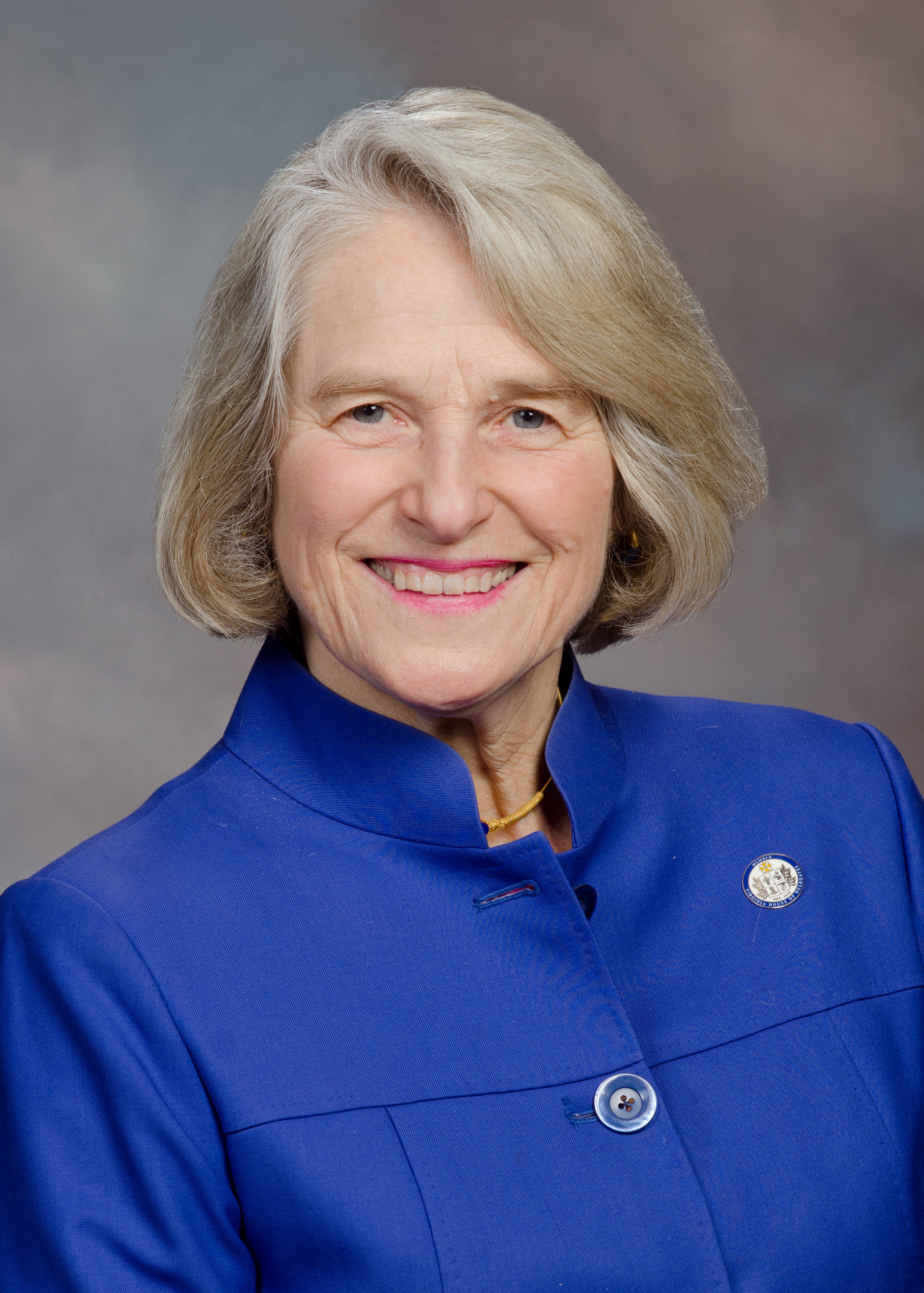
2025 Regular Session Introduced by Betsy Carr and 4 co-sponsors

The bill expands which entities may hire SAAGs and requires those hires to be appointed by the Attorney General, enhancing state control over outside counsel.

Vetoed by Governor
0
WeVote Research Nonpartisan
Bill Summary · HB 1601

Summary — HB 1601 (North Dakota)

A bill to amend and reenact NDCC § 54‑12‑08 (assistant and special assistant attorneys general)

Main purpose

HB 1601 would modify the statutory framework governing appointment, revocation, compensation, and powers of assistant and special assistant attorneys general (AAGs / SAAGs). The bill increases limits on the Attorney General’s (AG) discretion in appointing and revoking special assistant attorneys general for certain elected officers and agencies, clarifies which state entities may directly employ counsel, and restates payment and record‑access provisions.

Key provisions and changes

  • Appointment authority and consultation

    • Retains that the AG may appoint assistant or special assistant attorneys general after consultation with the affected department, board, commission, committee, or institution.
    • Reiterates that state officers/agencies may not employ outside legal counsel for state matters except by written appointment of the AG — but then enumerates exceptions (see below).
  • Entities permitted to employ counsel

    • Specifies that certain entities may employ attorneys to represent them and must pay salaries/expenses within legislative appropriations. The listed entities include (in various versions): Workforce Safety & Insurance, Department of Transportation, State Tax Commissioner, Public Service Commission, Insurance Commissioner, Agriculture Commissioner, Securities Commissioner — and in later drafts the Ethics Commission is added.
  • Requirement that employing entities’ attorneys be SAAGs

    • Attorneys hired by the listed entities must be appointed as special assistant attorneys general by the AG. Absent “good cause,” the AG must appoint licensed attorneys selected by those entities.
  • Limits on the AG’s discretion (protected appointing/employment relationships)

    • The bill bars the AG from refusing to appoint — or from revoking (except for good cause) — the appointment of a SAAG who is licensed, in good standing, and employed by specific elected state officers or entities. The enumerated list includes the Governor, Agriculture Commissioner, State Auditor, Insurance Commissioner, Public Service Commissioner, Secretary of State, Superintendent of Public Instruction, Tax Commissioner, and State Treasurer. Senate amendments narrowed/clarified some language (for example addressing attorneys employed by the governor, state auditor, or ethics commission).
  • Definition of “good cause”

    • “Good cause” is defined to include inadequate experience, competence, or ethical standards.
  • Compensation/payment and funds

    • The AG may require payment for legal services rendered by AAGs/SAAGs; payments go into the AG’s operating fund. General fund moneys generally may not be used to pay the AG’s attorneys’ services except for specified agencies (Department of Health and Human Services, Department of Environmental Quality, and the State Hospital).
  • Access to higher education records

    • An AAG/SAAG appointed to represent the State Board of Higher Education or institutions may access and examine records controlled by the Board. For FERPA and similar federal privacy laws, such AAG/SAAGs are treated as “state educational officials” authorized to access student records.

Who is affected

  • Attorney General’s Office (appointment/revocation discretion; receipt of payments)
  • Specified state officers, boards, commissions, and agencies that employ counsel
  • Attorneys employed by those entities (their appointment status and job security)
  • State Board of Higher Education and public institutions (record access)
  • State budget/appropriations practice (payment flow to AG operating fund; limitations on General Fund use)

Procedural status and timeline

  • Introduced: December 12, 2024 (per file date)
  • Advanced through committee and engrossment stages; multiple drafts and amendments were considered.
  • Reported to floor; on second reading in the (chamber reflected by your status line) the measure failed to pass — Second reading, failed: yeas 9, nays 37.
  • Multiple draft versions and committee/senate amendments were prepared; language varied between drafts (notably the list of entities and phrasing limiting AG discretion).

Note: Several documents in the compiled file pertain to bills titled HB 1601 from other states (Arkansas, Indiana, Illinois). This summary addresses the North Dakota HB 1601 that amends NDCC § 54‑12‑08 regarding special assistant attorneys general.

Compiled from official sources — confirm details with the bill’s official record.

Sign in to ask a question.