

WeVote

Bill

Bill

HB 1113

Culturally responsive & language-appropriate mental health support & services; guidance & policies.

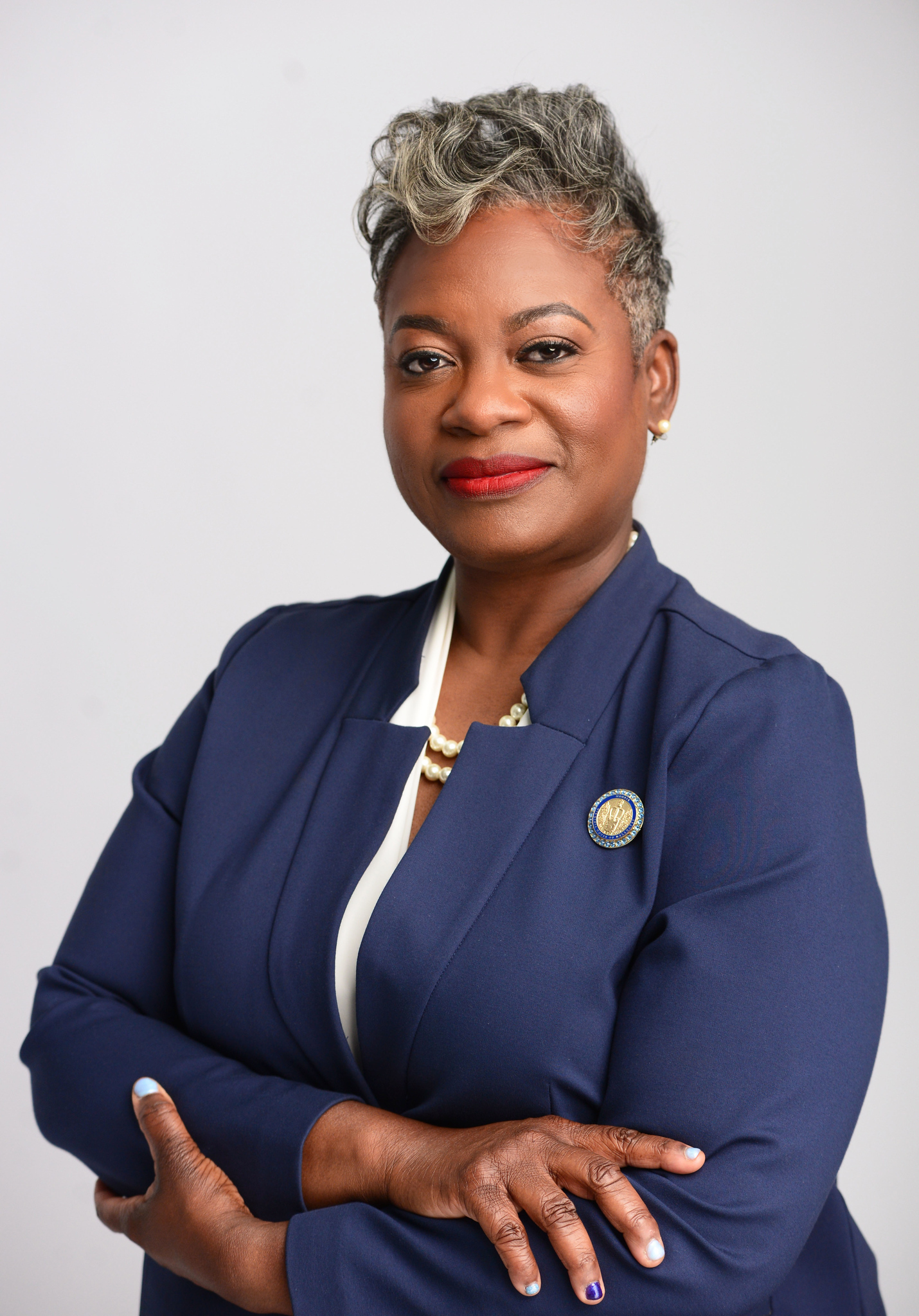
2026 Regular Session Introduced by Bonita Anthony and 31 co-sponsors

Virginia would require schools to provide culturally responsive and multilingual mental health support, expanding access for diverse and English-learner student populations.

Approved by Governor-Chapter 936 (effective 7/1/2026)
0
WeVote Research Nonpartisan
Bill Summary · HB 1113

Legislative bill overview

HB 1113 directs Virginia's Department of Education to develop and implement guidance and policies ensuring mental health support services in schools are culturally responsive and available in languages appropriate to student populations. The bill focuses on making mental health resources accessible to diverse student populations, including those with limited English proficiency and students from various cultural backgrounds.

Why is this important

Mental health support disparities significantly affect student outcomes, particularly for English language learners and students from marginalized communities who may face language barriers or cultural disconnects when seeking help. Implementing culturally responsive services can improve help-seeking behaviors, reduce stigma within specific communities, and address documented gaps in mental health access for underserved student populations.

Potential points of contention

  • Implementation costs: The fiscal impact statement suggests resource requirements; budget constraints may limit how comprehensively schools can translate materials and train culturally competent staff, potentially creating disparities between well-funded and under-resourced districts
  • Definition ambiguity: The bill's success depends on clear definitions of "culturally responsive" and "language-appropriate"—vague standards could lead to inconsistent implementation across districts or performative compliance without substantive change
  • Staffing challenges: Virginia already faces mental health professional shortages; requiring cultural and linguistic competency narrows the qualified applicant pool further, potentially straining rural or under-resourced areas

Compiled from official sources — confirm details with the bill’s official record.

Sign in to ask a question.