

WeVote

Bill

Bill

HB 142

Crosswalks; waiving certain requirements for proposed installation.

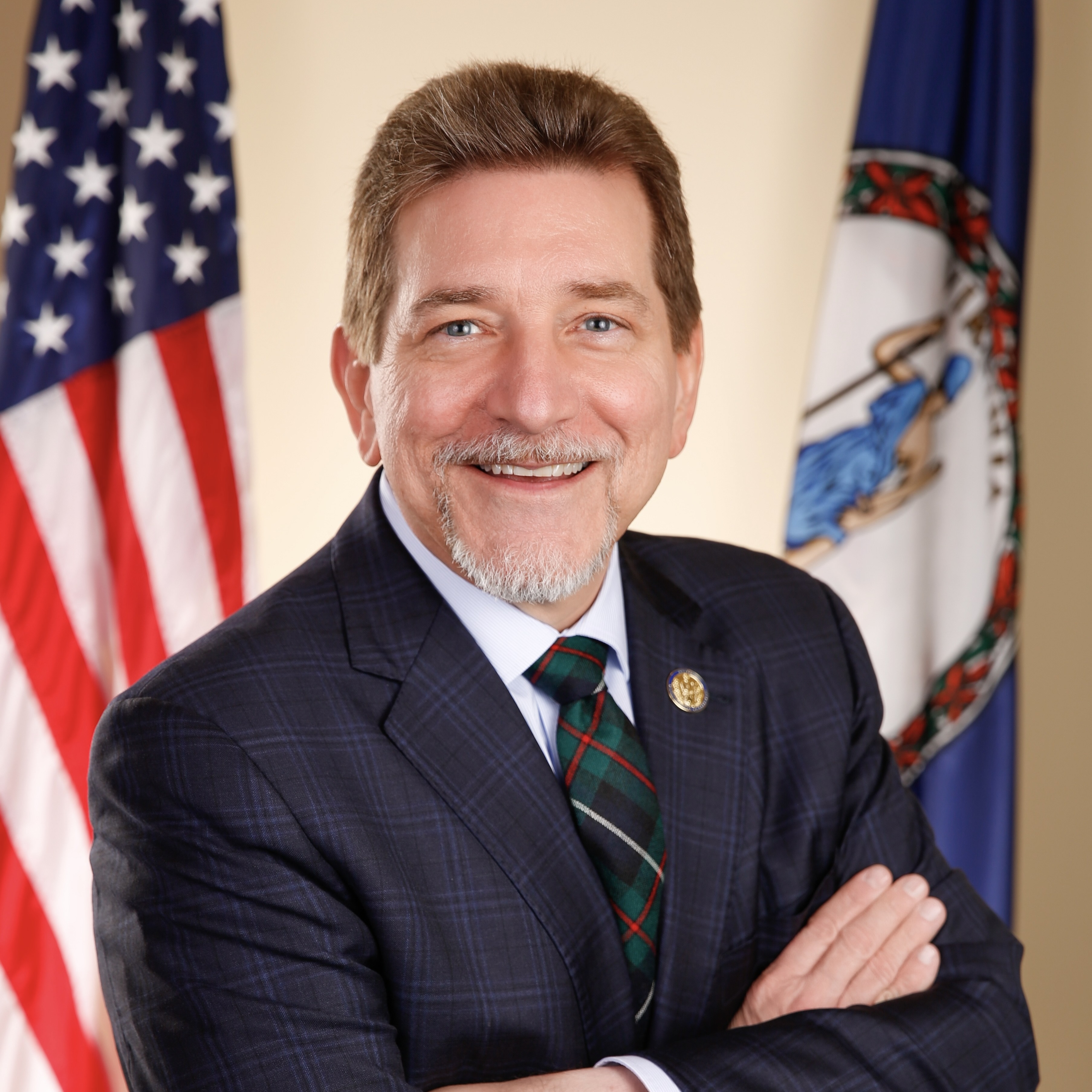
2025 Regular Session Introduced by David Reid

Creates a Maryland Veterans and Military Families Ombudsman to guide veterans and families, explain rights, address complaints, and run a toll-free line with annual reports.

Left in Transportation
0
WeVote Research Nonpartisan
Bill Summary · HB 142

Summary — HB 142: State Government — Veterans and Military Families Ombudsman — Establishment

Status: Withdrawn by sponsor (bill was introduced but later withdrawn)
Introduced: (Maryland version) January 8, 2025; Assigned to Health & Government Operations
Effective date (as drafted): October 1, 2025 (bill text)

Note: Records provided show multiple bills labeled “HB 142” in different states and on different subjects. This summary focuses on the Maryland bill titled “State Government – Veterans and Military Families Ombudsman – Establishment.”

Purpose and intent

Create an independent Veterans and Military Families Ombudsman within the Maryland Department of Veterans and Military Families (DVMF) to help veterans, their families, and survivors access benefits and services, explain rights, identify systemic problems, and serve as an impartial resource and advocate.

Key provisions

  • Establishment and placement
    • Creates the Veterans and Military Families Ombudsman position within DVMF (new Part IX, §9‑960–9‑964 of State Government Article).
  • Appointment, term, and qualifications
    • Ombudsman appointed by the Secretary of Veterans and Military Families.
    • Serves a 5‑year term and may be removed for cause.
    • Ombudsman must be a veteran.
    • Secretary (with the Secretary of Budget & Management) sets minimum salary, qualifications, and experience for the ombudsman and staff; salaries and operating expenses provided in the State budget.
  • Duties and authorities
    • Serve as an expert resource on state and federal laws, rules, and programs for veterans and military families.
    • Provide impartial information and explain rights and processes for obtaining services.
    • Advocate and work neutrally with DVMF and other entities (including private organizations) to ensure services are delivered as intended.
    • Identify and report patterns of complaints and make referrals to appropriate State and federal programs.
    • Treat communications as confidential except where disclosure is necessary and lawful.
  • Toll‑free line and accessibility
    • Require arrangement for a toll‑free telephone number, available in English and other appropriate languages, to assist those seeking information or advice.
  • Reporting
    • Annual report due to the Governor and General Assembly by July 1, 2026, and each July 1 thereafter. Reports must include call volumes/types, patterns of complaints, summary of services provided, and recommendations for improving service delivery.
  • Funding and operation
    • Salaries, staff, and operational costs to be provided in the State budget.

Fiscal impact (per Department of Legislative Services fiscal note)

  • DVMF can likely establish a toll‑free number using existing resources.
  • General Fund expenditures estimated to increase by at least:
    • FY 2026: $95,700 (initial hire and partial year costs)
    • FY 2027: $114,700
    • FY 2028: $119,800
    • FY 2029: $125,100
    • FY 2030: $130,500
  • Revenues: none expected.
  • Local governments: not anticipated to be materially affected.

Who is affected

  • Directly: veterans, active-duty military families, and survivors seeking help navigating benefits and services.
  • Administratively: Department of Veterans and Military Families (new oversight and reporting responsibilities); State budget (new personnel and operating costs).
  • Indirectly: other state agencies and community organizations that refer, coordinate with, or receive referrals from the ombudsman.

Timeline / procedural notes

  • Toll‑free number and annual reporting requirement begin upon appointment/operation of the office; first annual report required by July 1, 2026 (as drafted).
  • Salaries and operational funding subject to appropriation in the State budget.
  • Although the bill text provided an October 1, 2025 effective date, legislative action records indicate the measure was later withdrawn by the sponsor.

If you want, I can:
- Produce a shorter one‑page brief for stakeholders;
- Extract suggested appropriation language to fund the office; or
- Compare this ombudsman model to similar offices in other states.

Compiled from official sources — confirm details with the bill’s official record.

Sign in to ask a question.